
Austin Seven Motor Car JC1527
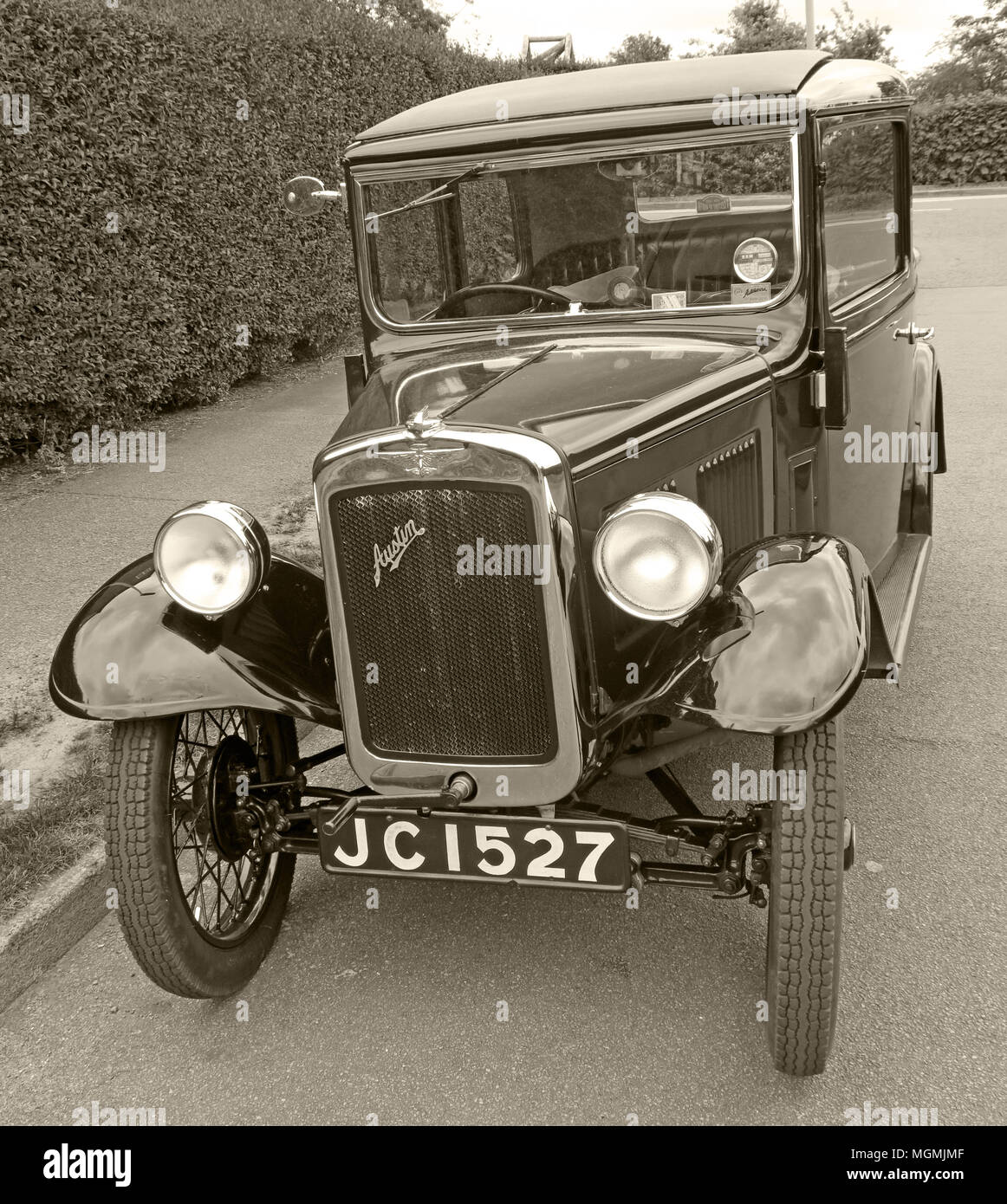
Image details
Contributor:
Tony SmithImage ID:
MGMJMFFile size:
42.6 MB (2.4 MB Compressed download)Releases:
Model - no | Property - noDo I need a release?Dimensions:
3648 x 4080 px | 30.9 x 34.5 cm | 12.2 x 13.6 inches | 300dpiDate taken:
27 May 2017More information:
. A grounded documentary photograph made at the recorded location in 2017, combining the immediate subject with evidence of the surrounding streetscape, public realm, business activity or local character. The main point of reference is Austin Seven Motor Car JC1527. The subject also carries associations with local mobility, public transport stop, before-and-after reference, social history, everyday life, changing streetscape, public realm, local bus network, bus infrastructure, transport accessibility, regional identity, public transport information, period detail, and changing land use. Today's relevance is strengthened by accessibility, local connectivity and the continuing question of the shift toward cleaner buses and integrated ticketing. The image fixes local activity and public use within the recorded location at one identifiable point, providing a benchmark against altered transport patterns. The location also brings in street-side transport, place identity, documentary photography, archival record, surface public transport, roadside stop, contemporary social history, and community identity. The combination of JC1527, Austin, Seven, and Motor anchors the frame to a recognisable activity, place or moment. Even without a fuller street location, image MGMJMF preserves the period presentation of Austin Seven Motor Car JC1527, giving later viewers a fixed documentary point for comparison. A further contemporary connection is accessibility and the shift toward cleaner buses and integrated ticketing when considered against later change at the recorded location. The wider significance includes decarbonisation and the importance of bus stops as the physical interface between passengers and public transport without losing the local specificity of the recorded location. The period view preserves a local visual benchmark for future local research. The view records a point of historical comparison before later change alters the scene.

