
Magyar UjPesti Allami 20f Budapest postmark Stamp, Hungary - Peter Magyar Budapest
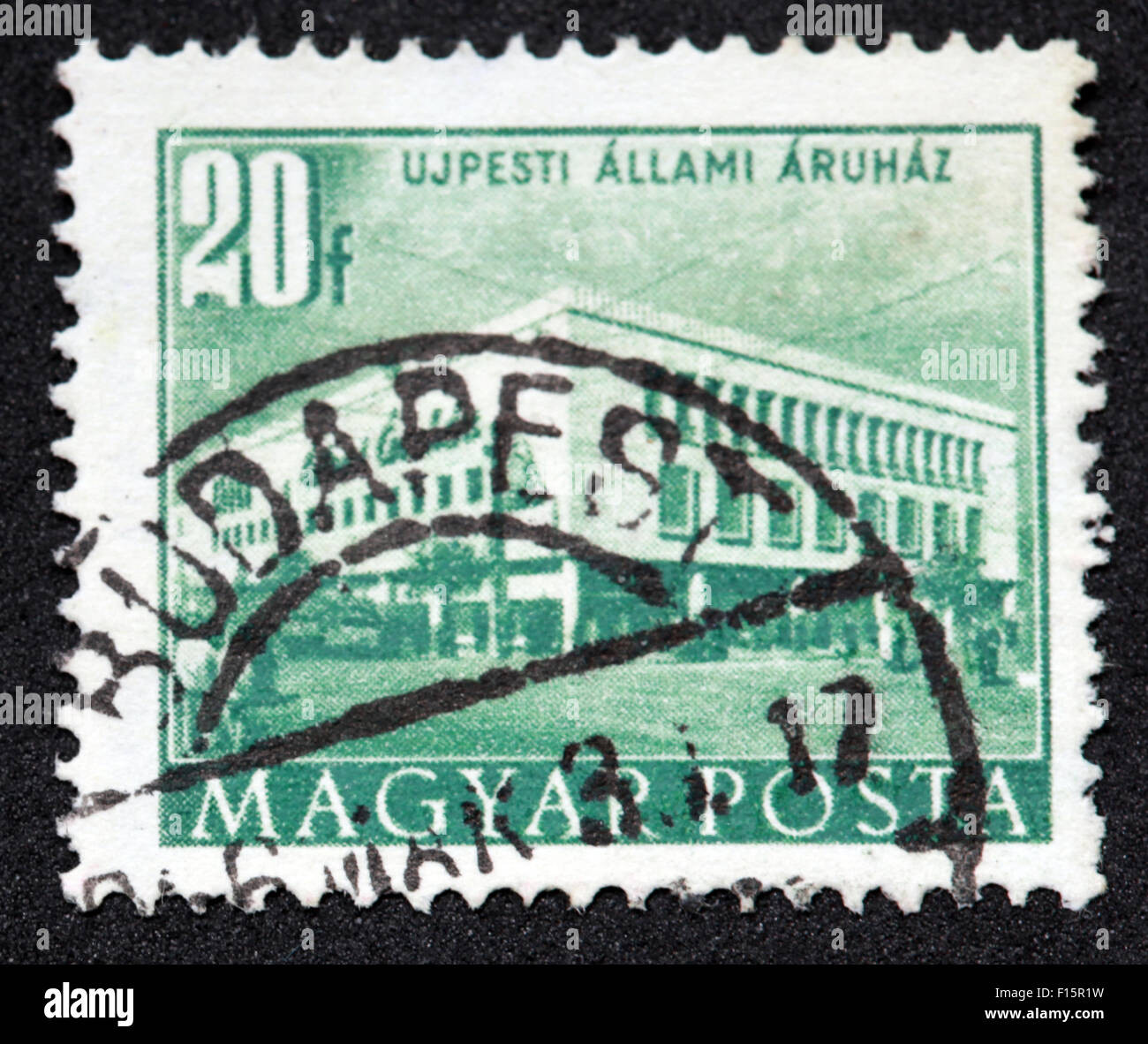
Image details
Contributor:
Tony SmithImage ID:
F15R1WFile size:
29.4 MB (1.1 MB Compressed download)Releases:
Model - no | Property - noDo I need a release?Dimensions:
3500 x 2941 px | 29.6 x 24.9 cm | 11.7 x 9.8 inches | 300dpiDate taken:
26 July 2015Location:
Budapest, HungaryMore information:
. Recorded at Budapest, Hungary in 2015, the image fixes a recognisable subject and its environment at one point in time, giving later viewers a reliable basis for comparison. The subject captured here is Magyar UjPesti Allami 20f Budapest postmark Stamp, Hungary - Peter Magyar Budapest. The image also relates to local character, contemporary social history, postal ephemera, period detail, everyday life, visual archive, stamp design, public realm, social history, postal graphic design, postal history, changing streetscape, philatelic material, and collectable stamp. Current relevance extends to graphic design and digital communication, particularly through the collector interest created by discontinued currencies, states and designs. The archival value lies partly in recording public access and movement around Budapest, Hungary before later reinterpretation alters the character of the place. The photograph additionally reflects local history, commemorative issue, community identity, changing land use, documentary photography, before-and-after reference, place identity, and archival record. The combination of Hungary, Budapest, Magyar, Allami, and postmark anchors the frame to a recognisable activity, place or moment. Around Budapest, Hungary, apparently routine details can become historically useful once businesses close, buildings change use or familiar features disappear. The location additionally provides evidence of graphic design and the contrast between physical postal culture and digital communication when considered against later change at Budapest, Hungary. A further contemporary connection is commemoration and the contrast between physical postal culture and digital communication without losing the local specificity of Budapest, Hungary. The wider significance includes collecting and the usefulness of denominations and postmarks for dating material in a form that can be compared with future views of Budapest, Hungary.

