
Panorama of the Green Room, Dunham Massey, NT property, Altrincham, Cheshire, England UK
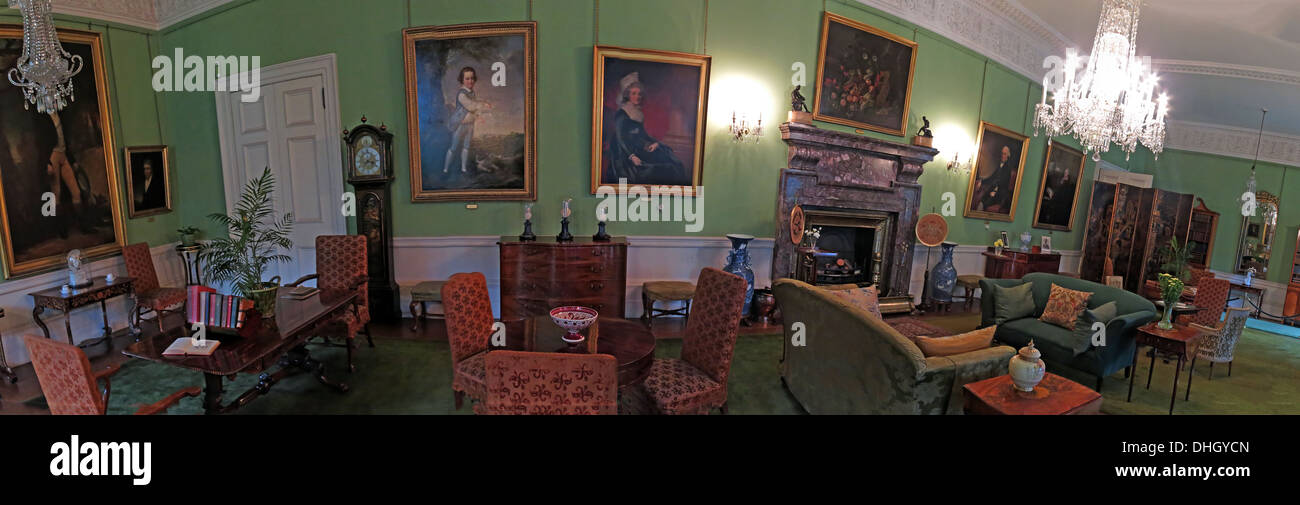
Image details
Contributor:
Tony SmithImage ID:
DHGYCNFile size:
48.8 MB (2.1 MB Compressed download)Releases:
Model - no | Property - noDo I need a release?Dimensions:
7310 x 2334 px | 61.9 x 19.8 cm | 24.4 x 7.8 inches | 300dpiDate taken:
15 September 2013Location:
Dunham Massey, Altrincham, Cheshire, England, UK WA14 4SJMore information:
. Panorama of the Green Room, Dunham Massey, NT property, Altrincham, Cheshire, England UK. Photographed on 15 September 2013. The recorded location is Dunham Massey, Altrincham, Cheshire, England, UK WA14 4SJ. Historically, landscape photographs record more than scenery: buildings, vegetation, weather, transport and land use combine to show how a place appeared at a particular moment; Repeated views can later become valuable evidence of development, environmental change and shifting patterns of use. Looking at the subject's development, murals, sculptures and civic artworks turn public space into a record of local culture; They can commemorate people and events, respond to politics, celebrate industry or simply enliven streets, while the artists' materials and styles place the work within a particular period. The wider historical story is that visitor attractions based on historic houses, industrial sites and specialist collections combine conservation with education; Exhibits can change over time, so photographs also document how institutions presented their collections at a specific date. In 2026, current interest in climate and place-making gives atmospheric landscape photographs added documentary value, particularly where weather, coastlines or urban development are prominent. For the 2026 context, public art and murals remain important to place-making, tourism and regeneration, particularly in city districts where street art has become part of the visitor economy; They also raise questions about conservation, ownership, temporary work and the rapid redevelopment of urban neighbourhoods. The historical context is that panoramic and atmospheric views place individual landmarks within their wider setting; Light, season and weather affect how architecture and landscape are perceived, while distant development can provide clues to the changing form of a town or coastline.

