
Highland Brown Cow, in isle of Skye, island, Scotland Hebrides, UK
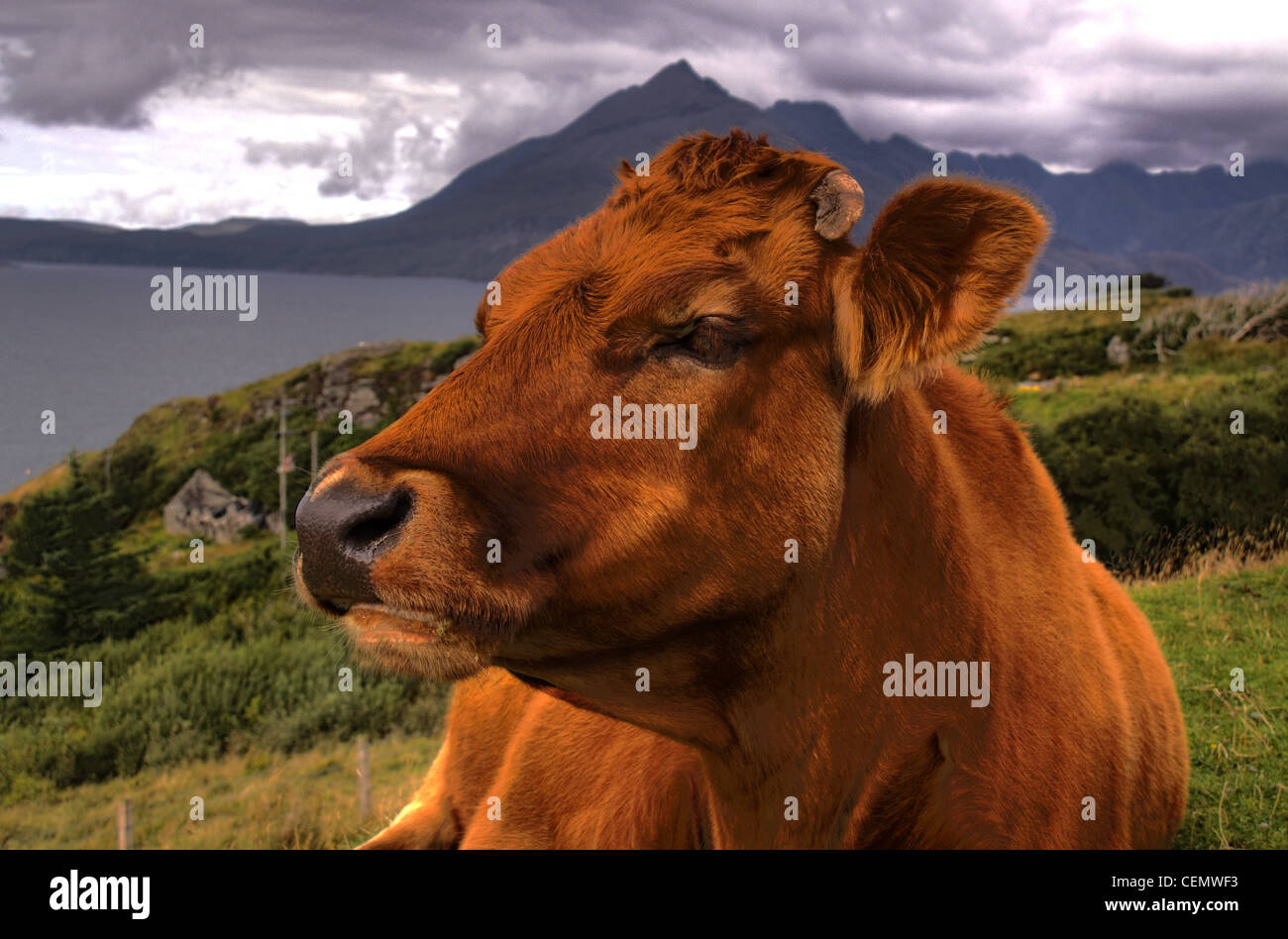
Image details
Contributor:
Tony SmithImage ID:
CEMWF3File size:
42 MB (1.7 MB Compressed download)Releases:
Model - no | Property - noDo I need a release?Dimensions:
4713 x 3112 px | 39.9 x 26.3 cm | 15.7 x 10.4 inches | 300dpiDate taken:
13 August 2009Location:
Ergol, Isle of Skye, island, Scotland Hebrides, UKMore information:
. Highland Brown Cow, in isle of Skye, island, Scotland Hebrides, UK. Photographed on 13 August 2009. The recorded location is Ergol, Isle of Skye, island, Scotland Hebrides, UK. From a heritage perspective, fields, flowers, trees and wildlife offer a visual record of season, habitat and countryside management; Agricultural crops sit alongside wild plants, insects and birds, illustrating the overlap between food production, biodiversity and recreation. Historically, allotments and farms link household self-sufficiency with the commercial food system; Seed varieties, hand cultivation and large-scale mechanised farming provide a visual history of how people grow food and how agricultural practice changes. As of 2026, biodiversity recovery, climate resilience and land management continue to be major UK environmental themes; Photographs of crops, wildflowers, insects and seasonal vegetation can therefore support coverage of pollinators, farming, habitat restoration and the effects of increasingly variable weather. In 2026, current agricultural debate combines food production with environmental land management, biodiversity and climate adaptation; Photographs of crops and cultivation therefore have both traditional rural and contemporary sustainability relevance. As background, nature photography can serve both aesthetic and documentary purposes, preserving details of species, flowering seasons, weather and land use; Repeated images of the same places also become useful evidence of environmental change over time. The wider historical story is that rural and botanical images document the seasonal cycles of the British landscape, from spring flowers and nesting wildlife to summer crops, autumn foliage and winter frost; They can also record changing land management, farming practice and the relationship between cultivated and wild species. Additional natural-language search terms include British countryside, seasonal landscape, flora, and agriculture.

