
Arley Hall Kings Copse, Arley Hall, Cheshire, England, UK.
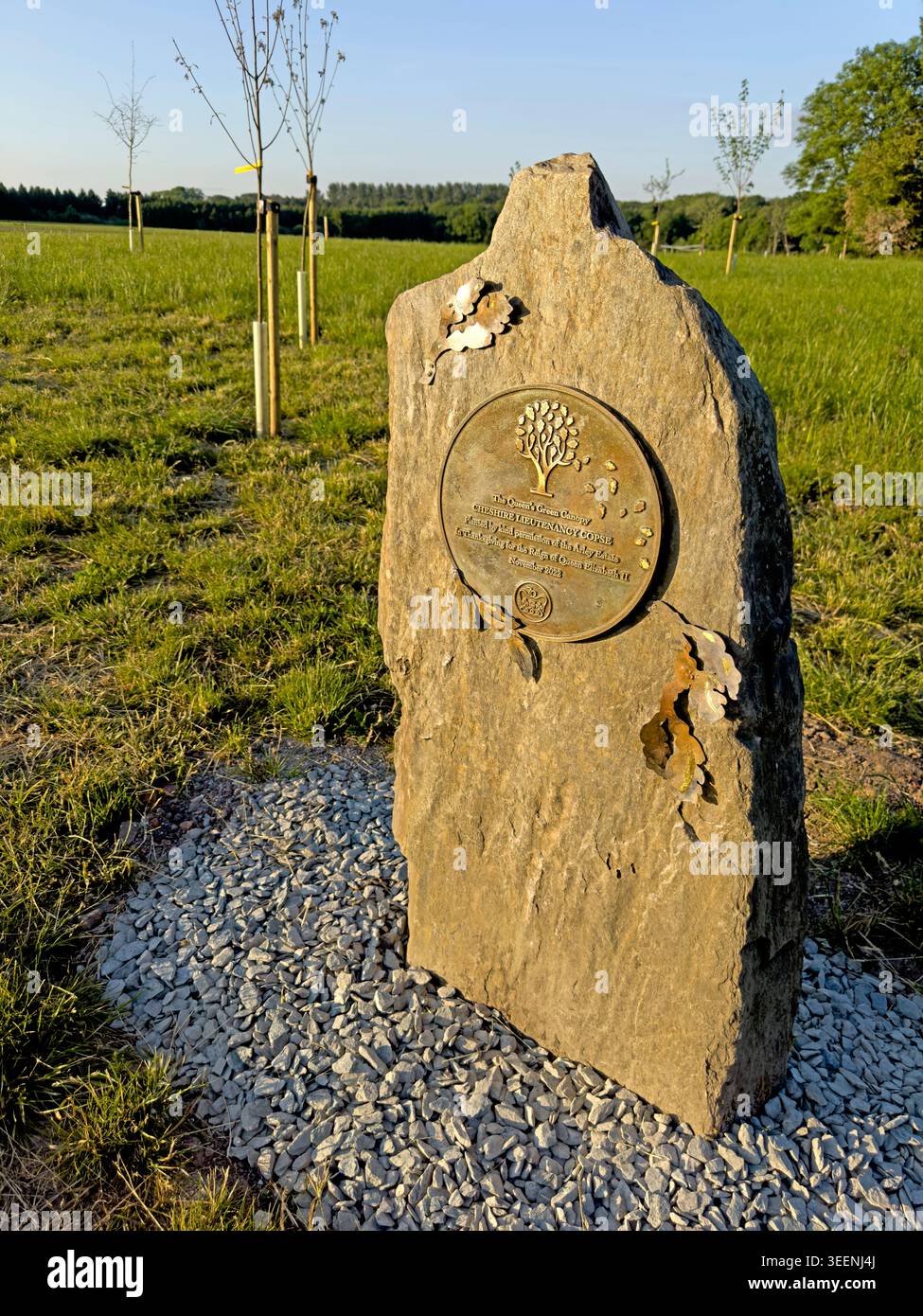
Image details
Contributor:
Tony SmithImage ID:
3EENJ4JFile size:
108.2 MB (5.7 MB Compressed download)Releases:
Model - no | Property - noDo I need a release?Dimensions:
5327 x 7102 px | 45.1 x 60.1 cm | 17.8 x 23.7 inches | 300dpiDate taken:
31 May 2023Location:
Arley Hall, Cheshire, England, UKMore information:
. Arley Hall Kings Copse, Arley Hall, Cheshire, England, UK. Photographed on 31 May 2023. For property, the historical context is that architecture records the priorities of the period in which a structure was designed: materials, ornament, scale and planning reveal technology, status and intended use; Later alterations, extensions and new tenants add further layers, so a single façade can embody several phases of local history. For property, the 2026 context is that reuse of existing buildings is increasingly discussed alongside embodied carbon, heritage conservation and town-centre regeneration; Photographs of earlier façades and converted premises can illustrate the practical tension between preservation, energy performance and new development. Related search language includes built environment, architectural detail, historic building, facade, streetscape, urban design, adaptive reuse, heritage building, construction, townscape, cityscape, architectural history, building conservation, IMG_6775, urban, tourism, business, and community. Associated subject terminology includes editorial. Looking at architectural history, the longer history is that architecture records the priorities of the period in which a structure was designed: materials, ornament, scale and planning reveal technology, status and intended use; Later alterations, extensions and new tenants add further layers, so a single façade can embody several phases of local history. The background to built environment is that buildings are often the most durable evidence of former institutions and businesses; Brickwork, stonework, windows, entrances and signs can survive changes of ownership or use, allowing photography to document architectural style as well as the evolution of a street or district. The subject also connects built environment, architectural detail and historic building within the same editorial theme.

