
Three healthy Beehives in a field, Springtime, Grappenhall, South Warrington, Cheshire, North West England, UK
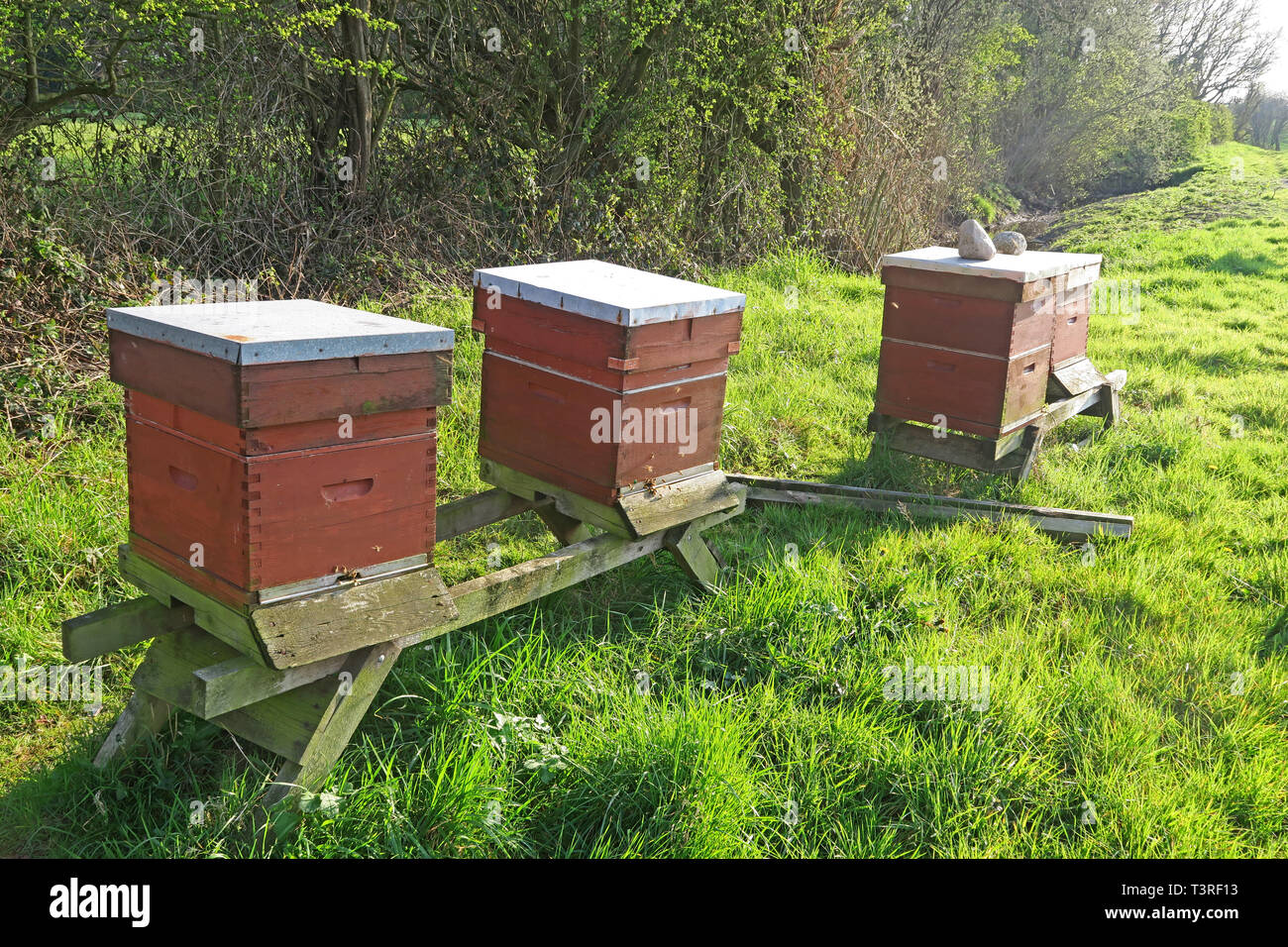
Image details
Contributor:
Tony SmithImage ID:
T3RF13File size:
57.1 MB (5.5 MB Compressed download)Releases:
Model - no | Property - noDo I need a release?Dimensions:
5472 x 3648 px | 46.3 x 30.9 cm | 18.2 x 12.2 inches | 300dpiDate taken:
6 April 2019Location:
Grappenhall, Warrington, Cheshire, UKMore information:
. This location-led image sets out a moment within Grappenhall, Warrington, Cheshire, UK, in a scene preserved from 2019. The scene is specifically associated with Three healthy Beehives in a field, Springtime, Grappenhall, South Warrington, Cheshire, North West England, UK. The wider setting includes contemporary social history, urban and rural change, everyday Britain, documentary record, public realm, modern history, local character, place-based history, place and memory, changing Britain, community life, and regional identity. The wider contemporary story of place and memory now includes the passage of time alongside altered public space, while policy and investment increasingly consider future historical research. Small period details preserved at Grappenhall, Warrington, Cheshire, UK may become historically important as commercial occupants, public services, infrastructure and the built environment change, making the image useful for retrospective editorial coverage. The surrounding story includes social landscape, social context, cultural landscape, community environment, everyday infrastructure, visual record. Further recorded details include Bee Hives, Bee Hive, Colony Collapse Disorder, entering hive, bees, impact of pesticides. A second layer of description includes documentary photography, and local identity. Seen from a 2025-onward perspective, community change also connects with changing use, business turnover and efforts aimed at before-and-after study. As the location changes, the frame remains a reference for movement through the area, everyday services, historic fabric, social change, and planning and redevelopment without relying on a generic or reconstructed view. In historical comparison, the image can help trace public access, neighbourhood identity, architecture and streetscape, transport patterns, and ownership or occupation in a form that can be compared with later photographs.

