
40 Years and Counting, Megham Graydon Darby, Manchester Craft Village, North West England, UK, M4 5JD
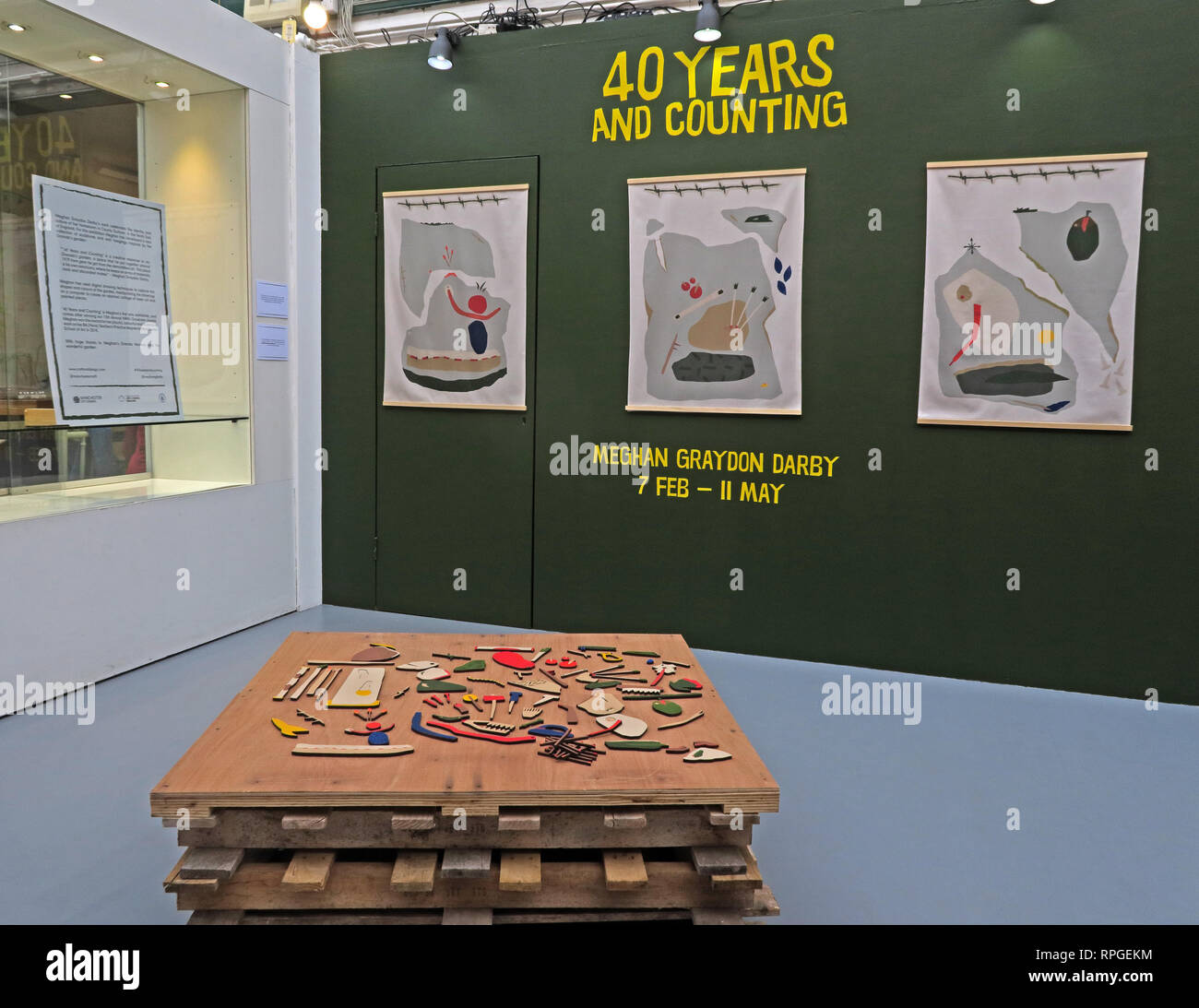
Image details
Contributor:
Tony SmithImage ID:
RPGEKMFile size:
49.3 MB (1.9 MB Compressed download)Releases:
Model - no | Property - noDo I need a release?Dimensions:
4728 x 3648 px | 40 x 30.9 cm | 15.8 x 12.2 inches | 300dpiDate taken:
15 February 2019Location:
17 Oak St, Manchester, UK, M4 5JDMore information:
. This descriptive scene sets out a moment within 17 Oak St, Manchester, UK, M4 5JD, as it appeared in 2019. The principal point of reference is 40 Years and Counting, Megham Graydon Darby, Manchester Craft Village, North West England, UK, M4 5JD. Other aspects of the setting include social landscape, regional identity, social context, local identity, cultural landscape, place-based history, documentary record, contemporary social history, changing Britain, place and memory, everyday Britain, and community environment. For present-day editorial use, regional identity can also illustrate debates about business turnover and changing use, particularly where these affect preservation of everyday detail. The date and location give the photograph archival strength: future views of 17 Oak St, Manchester, UK, M4 5JD may show different businesses, branding, services, architecture, traffic patterns or redevelopment, allowing clear before-and-after comparison. The surrounding story includes public realm, modern history, everyday infrastructure, urban and rural change, documentary photography, community life. Further recorded details include Oak street, Manchester City Centre, exhibition, platform, art. Further aspects present in the subject include visual record, and local character. In the mid-2020s, ordinary infrastructure is increasingly discussed through altered public space and business turnover, with attention turning to before-and-after study. As the location changes, the frame remains a reference for social change, historic fabric, planning and redevelopment, movement through the area, and everyday services without relying on a generic or reconstructed view. In historical comparison, the image can help trace architecture and streetscape, public access, neighbourhood identity, ownership or occupation, and transport patterns in a form that can be compared with later photographs.

