
Cycle Shadow, City Centre, Black,white, commuter, traveler, transport, Manchester City Centre, England, UK
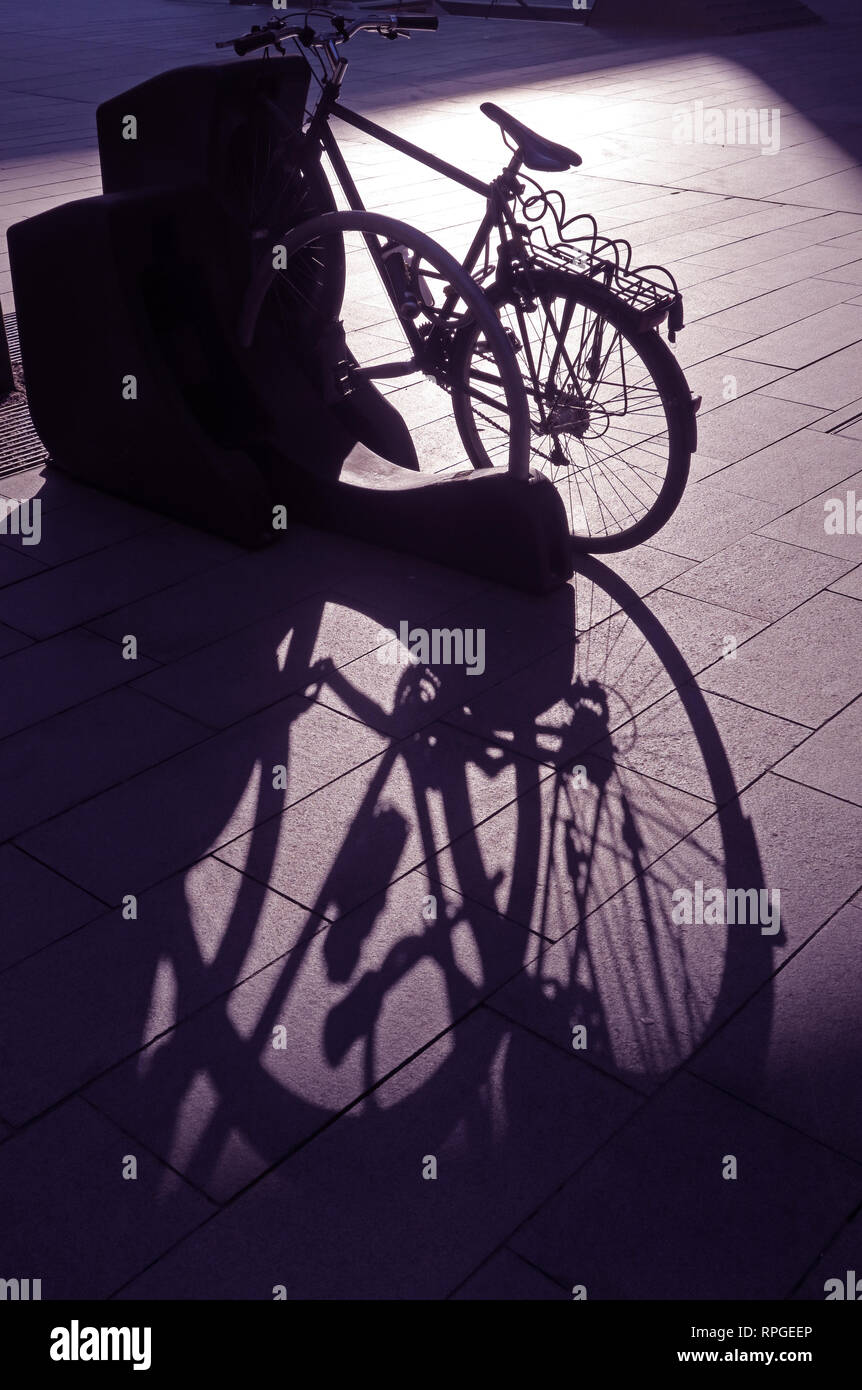
Image details
Contributor:
Tony SmithImage ID:
RPGEEPFile size:
52.9 MB (2.2 MB Compressed download)Releases:
Model - no | Property - noDo I need a release?Dimensions:
3504 x 5280 px | 29.7 x 44.7 cm | 11.7 x 17.6 inches | 300dpiDate taken:
15 February 2019Location:
Manchester City Centre, England, UKMore information:
. A grounded editorial photograph sets out the character of Manchester City Centre, England, UK, in an image captured in 2019. The source caption identifies Cycle Shadow, City Centre, Black, white, commuter, traveler, transport, Manchester City Centre, England, UK. The photograph carries associations with inland boating, inland navigation, civil engineering structure, riverine landscape, industrial waterway heritage, towpath environment, hydraulic control, heritage navigation, working waterway, managed watercourse, waterborne transport, and canal heritage. Seen from a 2025-onward perspective, navigation maintenance also connects with safe public access, long-term maintenance funding and efforts aimed at keeping historic infrastructure operational. Documentary value is strengthened by the precise setting at Manchester City Centre, England, UK, where even ordinary details of frontage, equipment, signs, traffic or public activity may disappear as the area evolves. The view also records themes involving navigation engineering, river management, riparian setting, lock operation, waterside infrastructure, boating infrastructure. Other local associations include Cycle friendly, Black and white, lock, locked, parked, chained. Its context additionally embraces navigation channel, and waterway maintenance. Modern coverage of inland boating frequently reaches beyond the immediate scene to questions of heritage conservation, safe public access and keeping historic infrastructure operational. The lasting documentary value lies in its record of neighbourhood identity, architecture and streetscape, ownership or occupation, transport patterns, and public access within the surrounding area. For future comparison, the scene preserves local business activity, public-realm details, the condition of buildings, patterns of everyday use, and regional identity as part of the area's longer social history.

