
Brighton Fishing Museum, arches and coffee shop, Brighton, West Sussex, South East England, UK
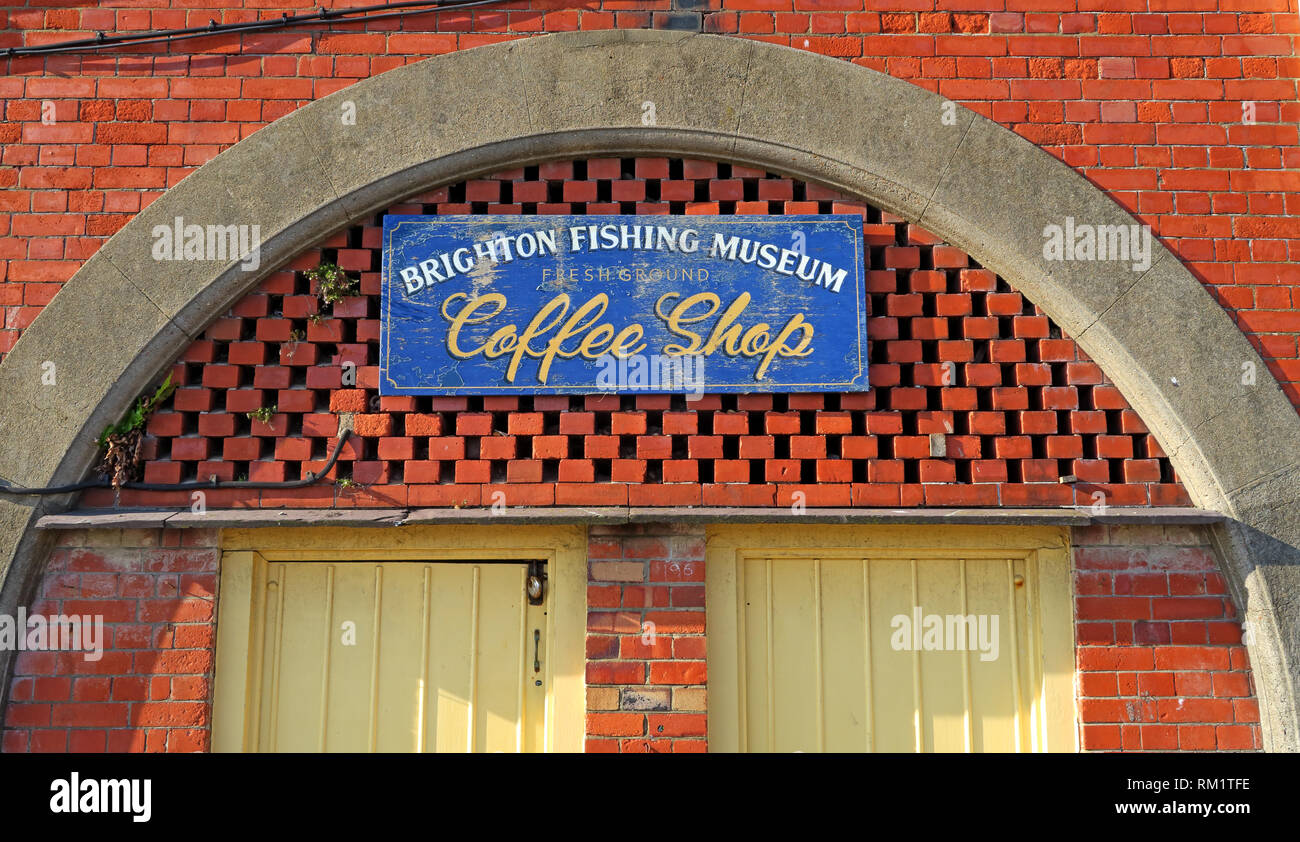
Image details
Contributor:
Tony SmithImage ID:
RM1TFEFile size:
49.6 MB (3.1 MB Compressed download)Releases:
Model - no | Property - noDo I need a release?Dimensions:
5472 x 3168 px | 46.3 x 26.8 cm | 18.2 x 10.6 inches | 300dpiDate taken:
10 May 2017Location:
Kings Road Arches Brighton, East Sussex, England, UK, BN1 1NBMore information:
. A close documentary record preserves the everyday reality of Kings Road Arches Brighton, East Sussex, England, UK, BN1 1NB, in a view made during 2017. The frame is associated with Brighton Fishing Museum, arches and coffee shop, Brighton, West Sussex, South East England, UK. Further features of the subject include public interest, consumer leisure, customer service, urban mobility, social policy, public administration, junction design, highway services, local democracy, motorway travel, food-and-drink business, and national policy. In the mid-2020s, retail streets is increasingly discussed through operating costs and brand consolidation, with attention turning to heritage-led regeneration. For present-day editorial use, community change can also illustrate debates about new technology and altered public space, particularly where these affect future historical research. Modern coverage of hospitality businesses frequently reaches beyond the immediate scene to questions of commercial rents, delivery-platform competition and resilient local hospitality. Documentary value is strengthened by the precise setting at Kings Road Arches Brighton, East Sussex, England, UK, BN1 1NB, where even ordinary details of frontage, equipment, signs, traffic or public activity may disappear as the area evolves. The broader context includes commercial streetscape, city-centre economy, visitor destination, food culture, retail vacancy, shopfront economy. The scene is further associated with beach, beachfront, seafront, East Sussex. Further aspects present in the subject include consumer retail, chain-store economy, surface transport, public-sector policy, local tourism, transport corridor, government policy, public policy, policy implementation, and road connectivity. Current debate around high-street retail often combines operating costs, shifts in leisure spending and the practical challenge of adaptable commercial space.

