
WayPhone Edge Hill Station Emergency Intercom Phone
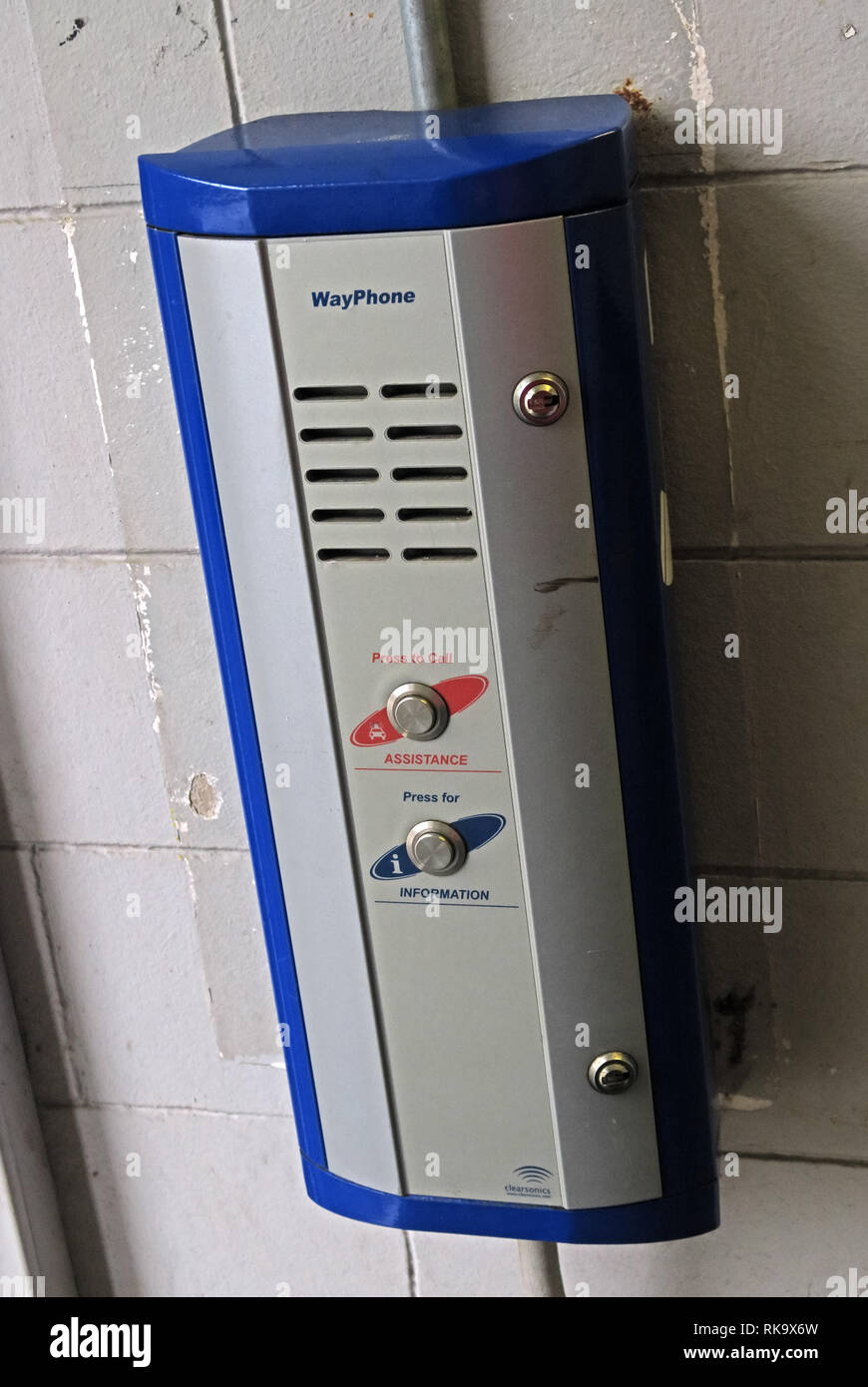
Image details
Contributor:
Tony SmithImage ID:
RK9X6WFile size:
47.8 MB (2 MB Compressed download)Releases:
Model - no | Property - noDo I need a release?Dimensions:
3344 x 4992 px | 28.3 x 42.3 cm | 11.1 x 16.6 inches | 300dpiDate taken:
29 January 2019Location:
Edge Hill station, Liverpool, Merseyside, England, UK, L7 6NDMore information:
. A close documentary record depicts the setting around Edge Hill station, Liverpool, Merseyside, England, UK, L7 6ND, in a view made during 2019. Within that setting the photograph concentrates on WayPhone Edge Hill Station Emergency Intercom Phone. Other closely connected aspects of the subject are rail corridor, train travel, passenger railway, sustainable mobility, rail infrastructure, integrated transport, station environment, intercity travel, rail transport, passenger connectivity, rail modernisation, and trackside infrastructure. In the mid-2020s, integrated public transport is increasingly discussed through decarbonisation and public ownership, with attention turning to a simpler passenger experience. Documentary value is strengthened by the precise setting at Edge Hill station, Liverpool, Merseyside, England, UK, L7 6ND, where even ordinary details of frontage, equipment, signs, traffic or public activity may disappear as the area evolves. The surrounding story includes rail heritage, commuter transport, railway operations, mass transit, regional rail, public transport network. Other local associations include Railway Station, telephone, press to call, press for information, Way Phone. The same setting also brings together transport interchange, and rail mobility. Current debate around train travel often combines public ownership, town-centre connectivity and the practical challenge of a simpler passenger experience. Taken together, these details make the photograph a useful record of local business activity, the condition of buildings, regional identity, patterns of everyday use, and public-realm details as an authentic period reference. The combination preserved here provides evidence of local character, period design, public activity, the appearance of the built environment, and changes of use at this precise location. It also preserves the area's visual identity as evidence of its time.

