
SSOSVA TIME RIP the mad hatter, Northern Quarter, Manchester, England, UK
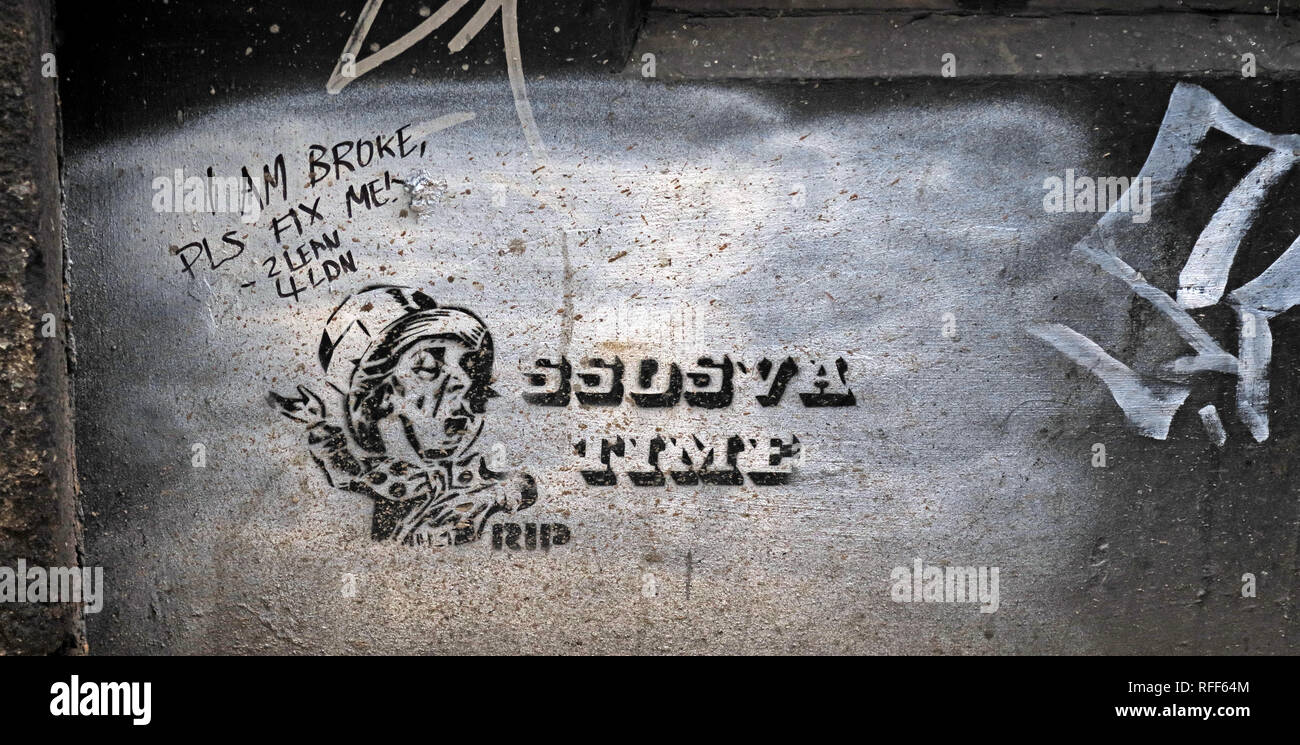
Image details
Contributor:
Tony SmithImage ID:
RFF64MFile size:
43.2 MB (3.2 MB Compressed download)Releases:
Model - no | Property - noDo I need a release?Dimensions:
5472 x 2760 px | 46.3 x 23.4 cm | 18.2 x 9.2 inches | 300dpiDate taken:
11 January 2019Location:
Stevenson Square, Northern Quarter,Manchester, England, UK , M1 1DNMore information:
. A grounded editorial photograph captures the physical context of Stevenson Square, Northern Quarter, Manchester, England, UK , M1 1DN, as it appeared in 2019. The location is represented through SSOSVA TIME RIP the mad hatter, Northern Quarter, Manchester, England, UK. Related ideas embodied by the location include city artwork, street-level design, mural culture, temporary artwork, public realm art, art-led regeneration, urban graphics, community art, local identity, illustrated hoarding, street creativity, and urban artwork. Seen from a 2025-onward perspective, visual placemaking also connects with temporary installations, public-realm investment and efforts aimed at recording temporary artwork. Documentary value is strengthened by the precise setting at Stevenson Square, Northern Quarter, Manchester, England, UK , M1 1DN, where even ordinary details of frontage, equipment, signs, traffic or public activity may disappear as the area evolves. Beyond the immediate subject, the setting involves graphic intervention, contemporary mural, community expression, urban visual culture, creative regeneration, public art. Other local associations include pls fix me, I am broke, Alice, Alice in Wonderland, stencil. The scene also carries the language of , and creative streetscape. Modern coverage of visual placemaking frequently reaches beyond the immediate scene to questions of temporary installations, graffiti versus commissioned work and creative reuse of redevelopment sites. The combination preserved here provides evidence of signage and branding, commercial identity, physical infrastructure, community life, and local continuity as an authentic period reference. As the location changes, the frame remains a reference for historic fabric, everyday services, planning and redevelopment, movement through the area, and social change at this precise location. The location view retains the area's visual identity for visual before-and-after study.

