
Metrolink Piccadilly Manchester Tram interchange, Fairfield street, Manchester, UK, M1 2QF
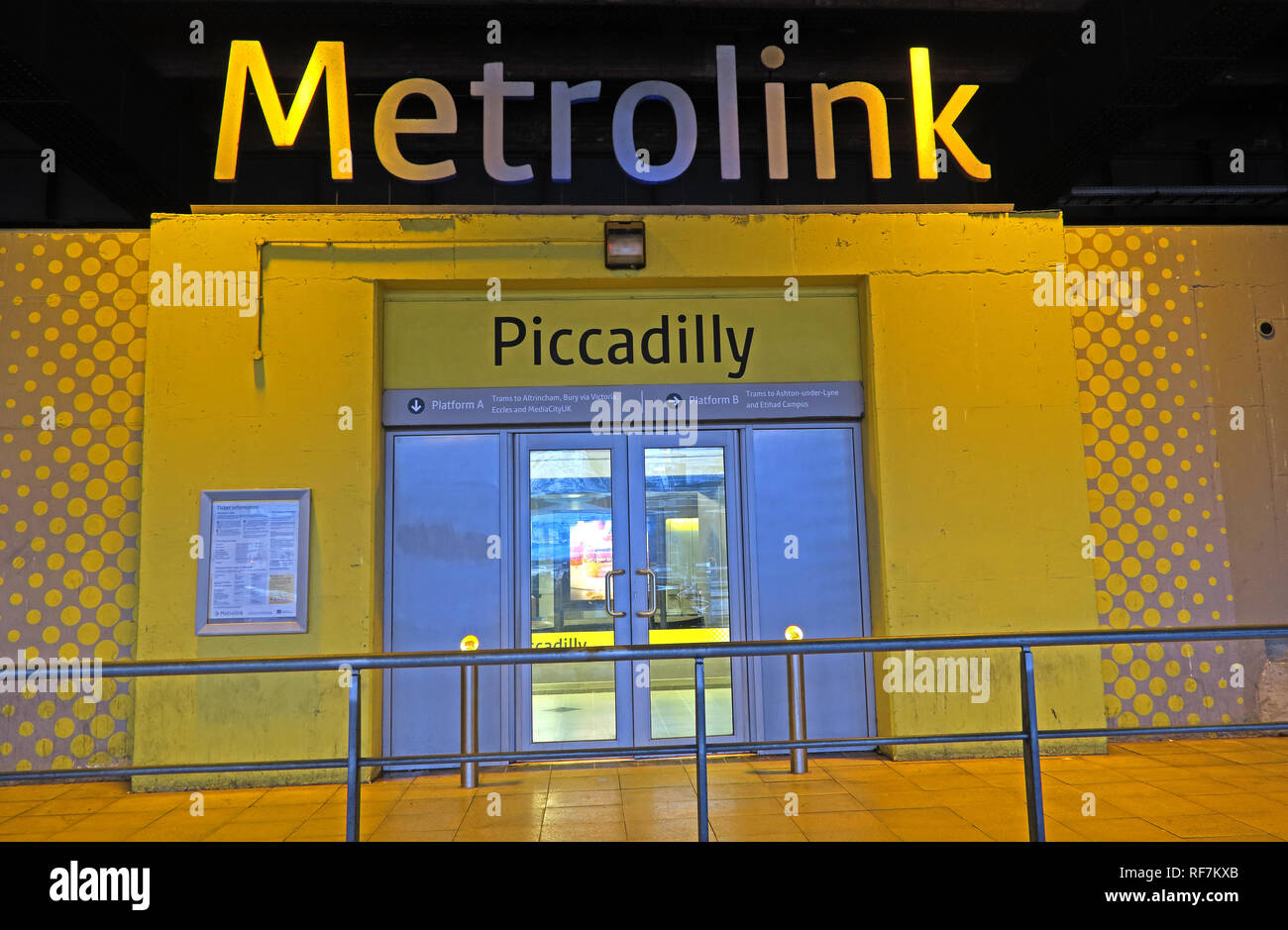
Image details
Contributor:
Tony SmithImage ID:
RF7KXBFile size:
49.8 MB (1.9 MB Compressed download)Releases:
Model - no | Property - noDo I need a release?Dimensions:
5159 x 3372 px | 43.7 x 28.5 cm | 17.2 x 11.2 inches | 300dpiDate taken:
11 January 2019More information:
. This descriptive scene sets out the visible identity of the recorded location, in a photograph originating in 2019. The image record centres upon Metrolink Piccadilly Manchester Tram interchange, Fairfield street, Manchester, UK, M1 2QF. Other closely connected aspects of the subject are commuter transport, rail mobility, transport interchange, rail corridor, rail infrastructure, intercity travel, public transport network, trackside infrastructure, regional rail, mass transit, rail transport, and sustainable mobility. For present-day editorial use, passenger rail can also illustrate debates about accessible travel and reliability, particularly where these affect lower-carbon mobility. Over time, this view of the recorded location can support local-history and planning research by preserving details of appearance, occupation, signage, public access and everyday use that written records may omit, specifically in relation to Metrolink Piccadilly Manchester Tram interchange. The broader context includes integrated transport, rail heritage, railway operations, passenger connectivity, train travel, station environment. Other local associations include Manchester Piccadilly Station, Network Rail, NetworkRail, Entrance, Manchester Metrolink, Manchester Piccadilly. In the mid-2020s, passenger rail is increasingly discussed through public ownership and town-centre connectivity, with attention turning to more dependable regional connections. For future comparison, the scene preserves community life, physical infrastructure, local continuity, commercial identity, and signage and branding in a form that can be compared with later photographs. Viewed retrospectively, the photograph can reveal planning and redevelopment, social change, movement through the area, everyday services, and historic fabric as an authentic period reference. The photograph also fixes period appearance in the recorded location as a historical reference.

