
Saint Marks Place Mosaic Trail, East Village, New York city, NYC, NY, USA
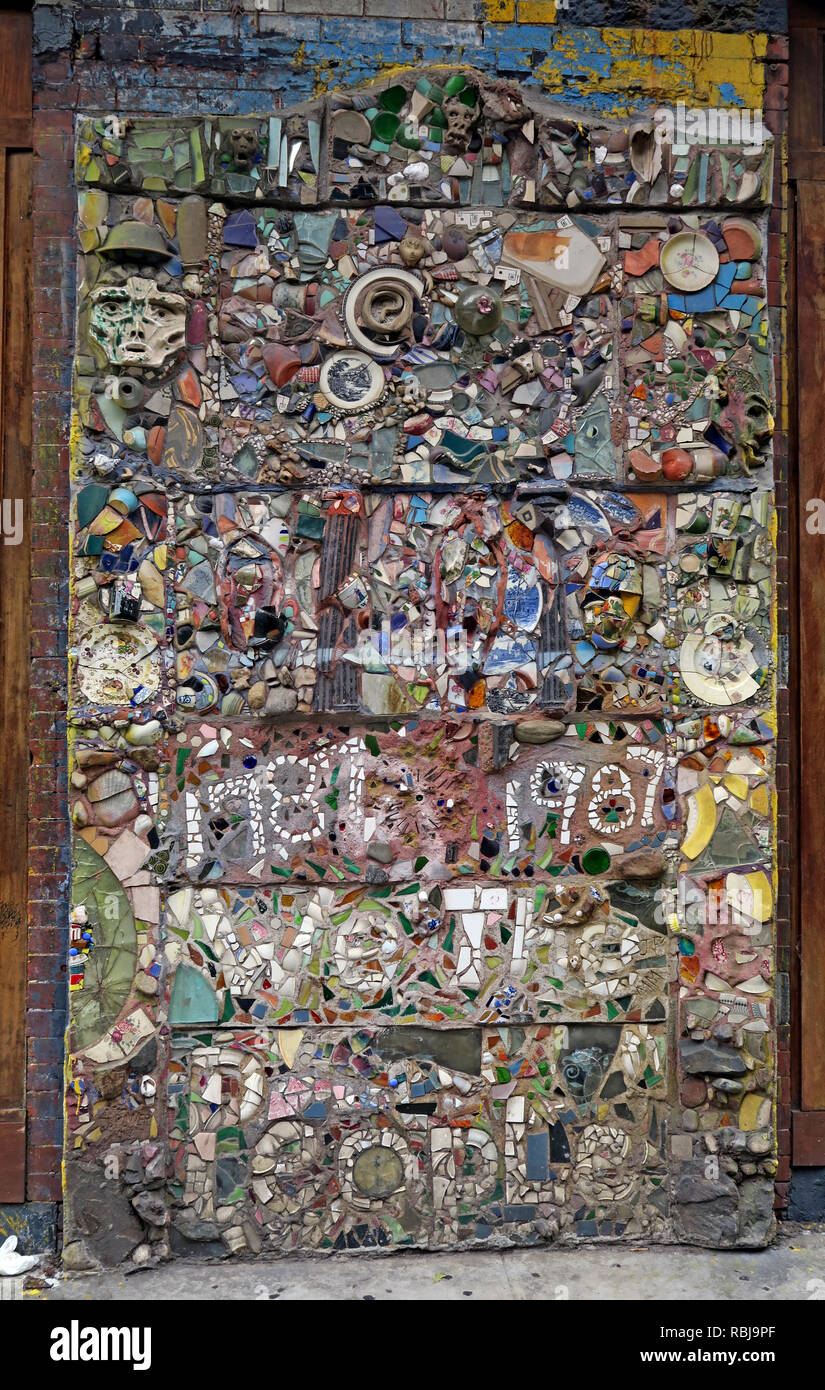
Image details
Contributor:
Tony SmithImage ID:
RBJ9PFFile size:
47.9 MB (3.3 MB Compressed download)Releases:
Model - no | Property - noDo I need a release?Dimensions:
3260 x 5131 px | 27.6 x 43.4 cm | 10.9 x 17.1 inches | 300dpiDate taken:
31 August 2018Location:
Saint Marks Place Mosaic Trail, St Marks Place, East Village, New York city, NYC, NY, USAMore information:
. This location-led image preserves the working environment around Saint Marks Place Mosaic Trail, St Marks Place, East Village, New York city, NYC, NY, USA, in documentary coverage dating from 2018. The principal point of reference is Saint Marks Place Mosaic Trail, East Village, New York city, NYC, NY, USA. The physical and social setting additionally connects with art-led regeneration, street-level design, illustrated hoarding, creative streetscape, public realm art, street creativity, city artwork, mural culture, community expression, temporary artwork, local identity, and urban graphics. The wider contemporary story of creative hoardings now includes graffiti versus commissioned work alongside regeneration, while policy and investment increasingly consider creative reuse of redevelopment sites. Small period details preserved at Saint Marks Place Mosaic Trail, St Marks Place, East Village, New York city, NYC, NY, USA may become historically important as commercial occupants, public services, infrastructure and the built environment change, making the image useful for retrospective editorial coverage. The scene also relates to public art, creative regeneration, urban visual culture, urban artwork, community art, contemporary mural. The record also refers to St Marks Place Mosaic Trail, hobo, street art, Manhattan, St Marks Place. The scene also carries the language of graphic intervention, and visual placemaking. Seen from a 2025-onward perspective, creative hoardings also connects with regeneration, public-realm investment and efforts aimed at creative reuse of redevelopment sites. The lasting documentary value lies in its record of public access, transport patterns, architecture and streetscape, neighbourhood identity, and ownership or occupation at this precise location. This period image preserves a stage in local change for retrospective use. This period image preserves a stage in local change for retrospective use.

