
Face Art, East Village, New York City, NYC, NY, USA
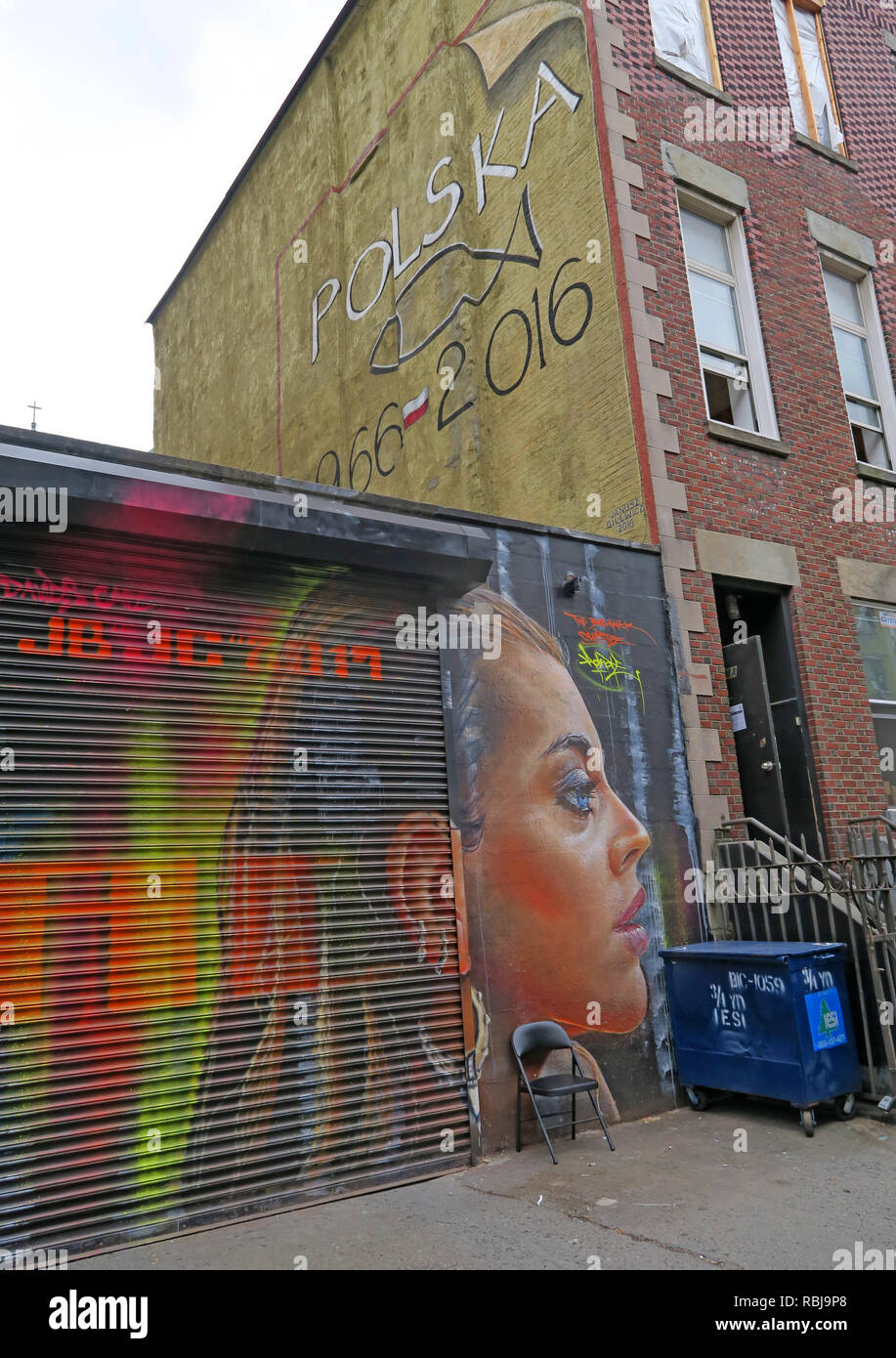
Image details
Contributor:
Tony SmithImage ID:
RBJ9P8File size:
53.9 MB (2.9 MB Compressed download)Releases:
Model - no | Property - noDo I need a release?Dimensions:
3648 x 5168 px | 30.9 x 43.8 cm | 12.2 x 17.2 inches | 300dpiDate taken:
31 August 2018Location:
East Village, Manhatten, New York, NY, USAMore information:
. This location-led image depicts the visible identity of East Village, Manhatten, New York, NY, USA, in a documentary image made in 2018. Within that setting the photograph concentrates on Face Art, East Village, New York City, NYC, NY, USA. The location can also be described in terms of consumer retail, public art, retail vacancy, shopping district, shopping habits, retail property, city artwork, art-led regeneration, community art, urban commerce, visual placemaking, and urban visual culture. The wider contemporary story of physical shops now includes online shopping alongside changing footfall, while policy and investment increasingly consider stronger local footfall. Current debate around temporary urban art often combines community participation, temporary installations and the practical challenge of recording temporary artwork. Over time, this view of East Village, Manhatten, New York, NY, USA can support local-history and planning research by preserving details of appearance, occupation, signage, public access and everyday use that written records may omit. The location additionally reflects public realm art, town-centre trading, temporary artwork, local trading, bricks-and-mortar retail, local identity. Associated details include Street Art, Saint Marks Place, portrait, streetart, Manhattan. A more expansive reading adds chain-store economy, high-street commerce, creative streetscape, illustrated hoarding, creative regeneration, urban artwork, storefront culture, customer footfall, street creativity, and mural culture. Seen from a 2025-onward perspective, retail streets also connects with online shopping, hybrid working and efforts aimed at bringing empty units back into use. Viewed retrospectively, the photograph can reveal historic fabric, planning and redevelopment, everyday services, movement through the area, and social change as an authentic period reference.

