
open Today, Psychic tea room, Psychology, exploring the mind, East Village, manhattan, New York, NYC, NY, USA
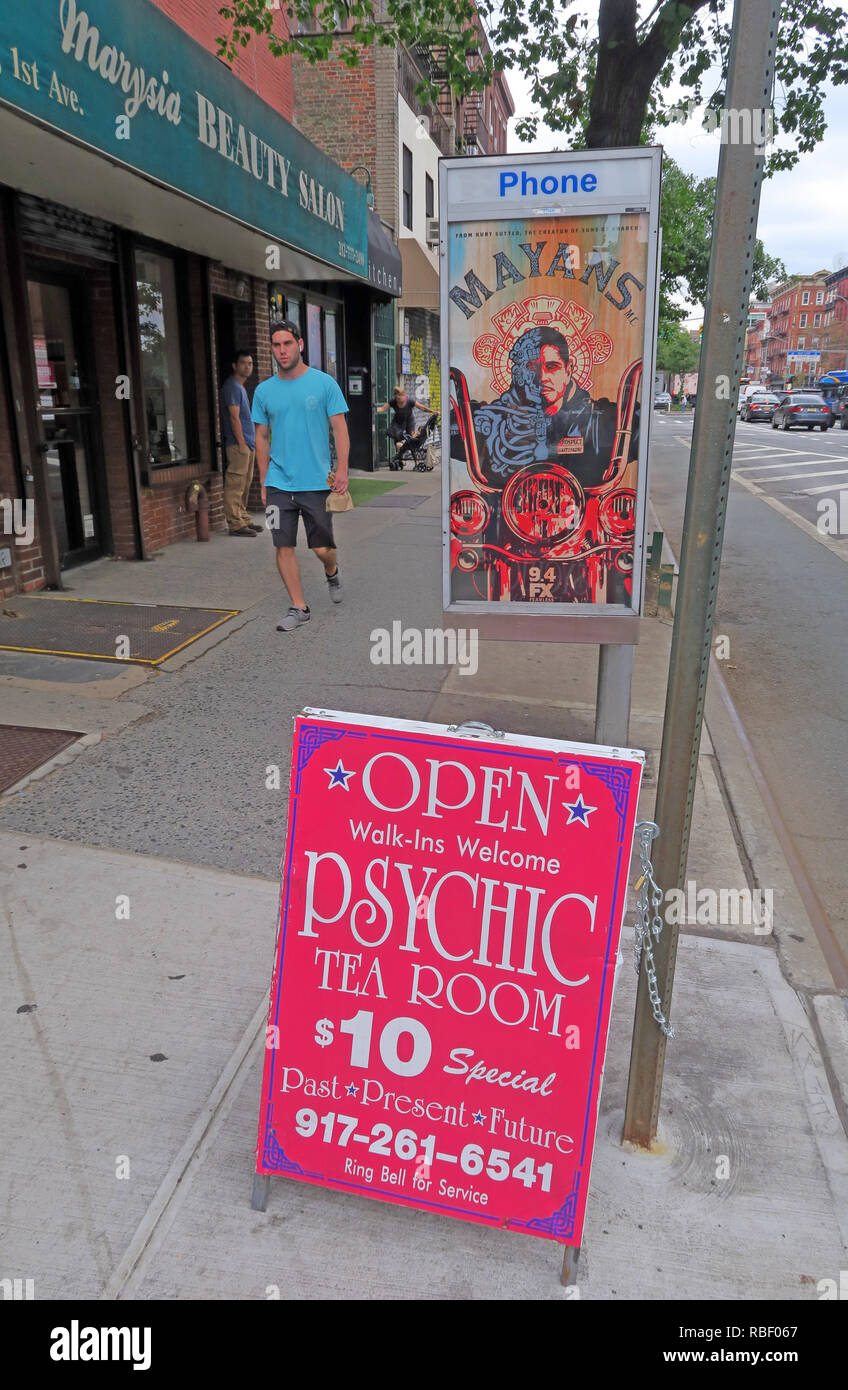
Image details
Contributor:
Tony SmithImage ID:
RBF067File size:
52.4 MB (2.5 MB Compressed download)Releases:
Model - no | Property - noDo I need a release?Dimensions:
3456 x 5296 px | 29.3 x 44.8 cm | 11.5 x 17.7 inches | 300dpiDate taken:
31 August 2018More information:
. An editorial view sets out the physical context of the recorded location, in a time-specific record from 2018. Within that setting the photograph concentrates on open Today, Psychic tea room, Psychology, exploring the mind, East Village, manhattan, New York, NYC, NY, USA. The location also connects place and memory, documentary photography, local character, community environment, everyday Britain, social context, contemporary social history, everyday infrastructure, documentary record, place-based history, changing Britain, and public realm. Current debate around social history often combines redevelopment, business turnover and the practical challenge of before-and-after study. Small period details preserved at the recorded location may become historically important as commercial occupants, public services, infrastructure and the built environment change, making the image useful for retrospective editorial coverage, specifically in relation to open Today. The resulting scene connects with social landscape, urban and rural change, regional identity, local identity, community life, visual record. Associated details include NOHO NYC, New York City, Eastvillage. Other relevant facets include cultural landscape, and modern history. The wider contemporary story of regional identity now includes changing use alongside redevelopment, while policy and investment increasingly consider a clearer record of local change. As the location changes, the frame remains a reference for ownership or occupation, neighbourhood identity, architecture and streetscape, transport patterns, and public access as part of the area's longer social history. In historical comparison, the image can help trace patterns of everyday use, local business activity, the condition of buildings, public-realm details, and regional identity without relying on a generic or reconstructed view. The frame further records period appearance for visual before-and-after study.

