
Moishes Kosher Bake Shop 115 2nd Ave, East Village, Manhattan, New York, NYC, USA
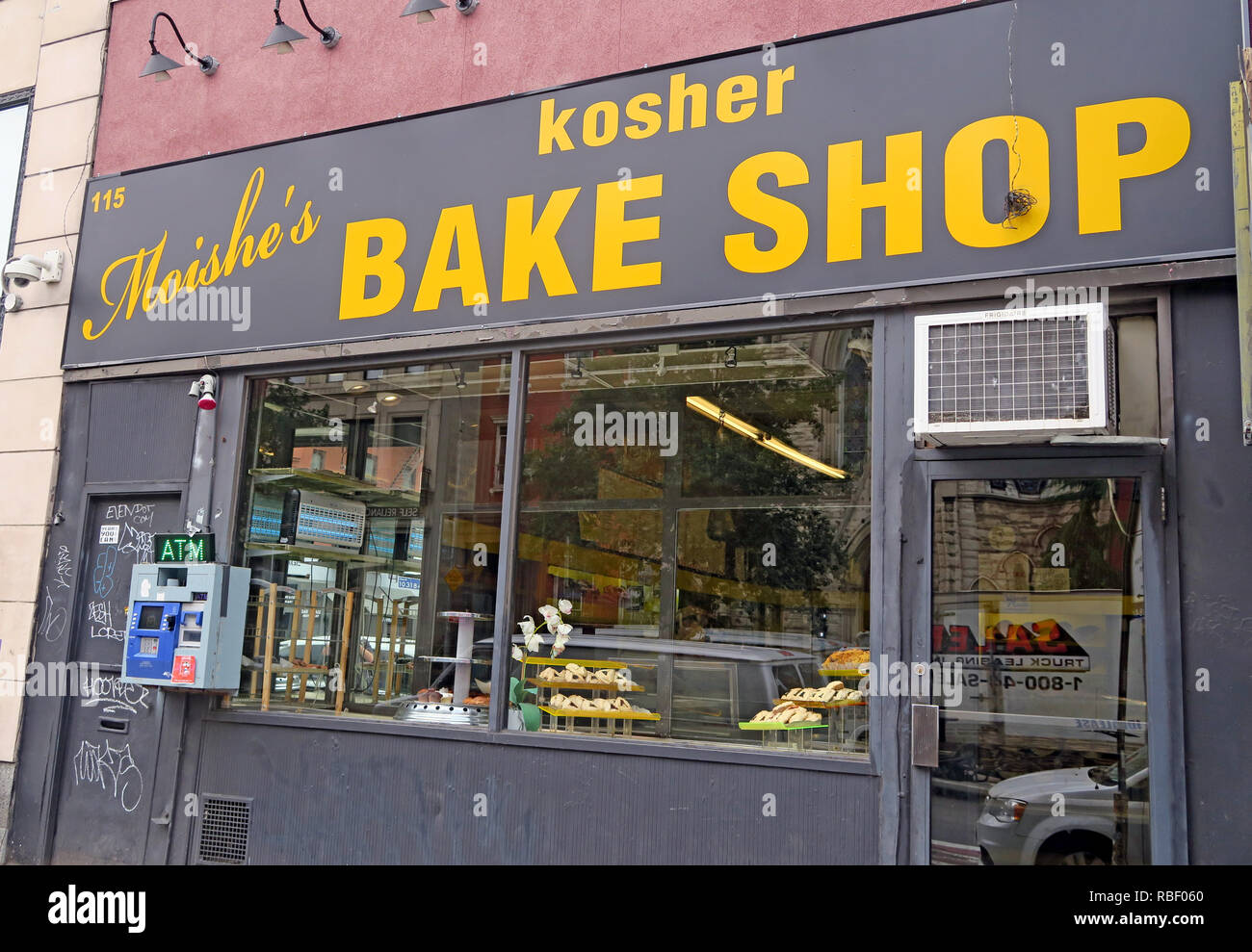
Image details
Contributor:
Tony SmithImage ID:
RBF060File size:
52.2 MB (2.3 MB Compressed download)Releases:
Model - no | Property - noDo I need a release?Dimensions:
5136 x 3552 px | 43.5 x 30.1 cm | 17.1 x 11.8 inches | 300dpiDate taken:
31 August 2018Location:
115 2nd Ave, New York, NY, USAMore information:
. A place-specific photograph preserves the social and built context of 115 2nd Ave, New York, NY, USA, in a time-specific record from 2018. The scene is specifically associated with Moishes Kosher Bake Shop 115 2nd Ave, East Village, Manhattan, New York, NYC, USA. The wider setting includes retail vacancy, shopping habits, retail property, shopping district, town-centre trading, independent retail, retail decline and renewal, storefront culture, bricks-and-mortar retail, commercial frontage, city-centre economy, and commercial streetscape. The wider contemporary story of commercial property now includes operating costs alongside hybrid working, while policy and investment increasingly consider heritage-led regeneration. Small period details preserved at 115 2nd Ave, New York, NY, USA may become historically important as commercial occupants, public services, infrastructure and the built environment change, making the image useful for retrospective editorial coverage. The scene also relates to high-street commerce, urban commerce, customer footfall, shopfront economy, chain-store economy, local trading. Further recorded details include Kosher baker, Jewish baking, Jewish bakery, Jewish Immigrants, New York St Marks Place, 115 2nd Avenue. Further aspects present in the subject include consumer retail, and consumer spending. Seen from a 2025-onward perspective, independent trading also connects with vacant premises, brand consolidation and efforts aimed at mixed-use town centres. The combination preserved here provides evidence of period design, the appearance of the built environment, changes of use, local character, and public activity within the surrounding area. As the location changes, the frame remains a reference for local continuity, signage and branding, community life, commercial identity, and physical infrastructure as part of the area's longer social history.

