
Cosmo Launderama, launderette, 142 1st Avenue #9, New York, NY 10009, USA
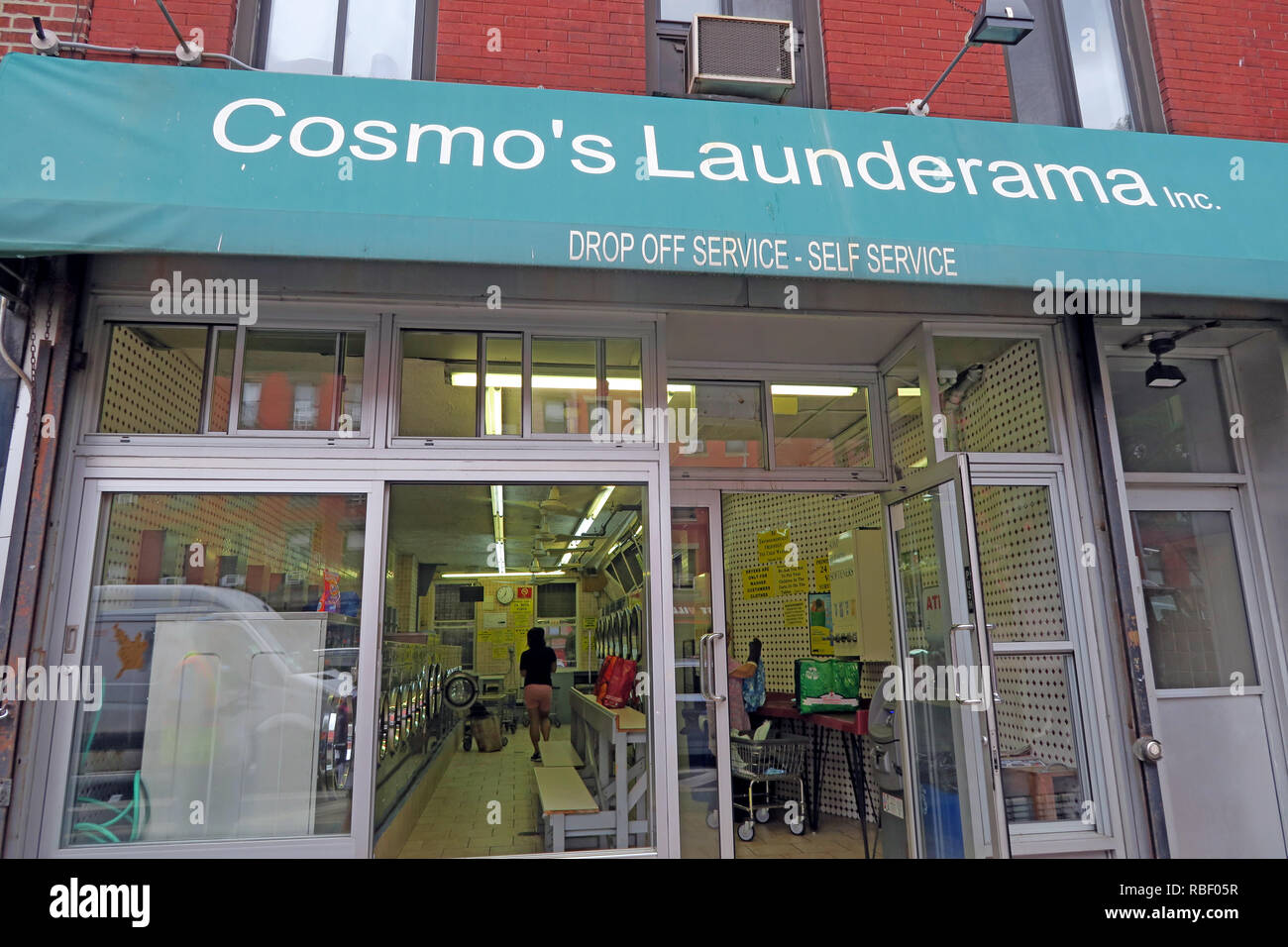
Image details
Contributor:
Tony SmithImage ID:
RBF05RFile size:
57.1 MB (2.2 MB Compressed download)Releases:
Model - no | Property - noDo I need a release?Dimensions:
5472 x 3648 px | 46.3 x 30.9 cm | 18.2 x 12.2 inches | 300dpiDate taken:
31 August 2018Location:
142 1st Avenue #9, New York, NY 10009, USAMore information:
. A local-history photograph shows a moment within 142 1st Avenue #9, New York, NY 10009, USA, in a 2018 record. The source caption identifies Cosmo Launderama, launderette, 142 1st Avenue #9, New York, NY 10009, USA. Other closely connected aspects of the subject are shopping district, local trading, commercial frontage, high-street commerce, town-centre trading, storefront culture, retail decline and renewal, bricks-and-mortar retail, city-centre economy, commercial streetscape, urban commerce, and independent retail. Modern coverage of physical shops frequently reaches beyond the immediate scene to questions of shifts in leisure spending, brand consolidation and bringing empty units back into use. Documentary value is strengthened by the precise setting at 142 1st Avenue #9, New York, NY 10009, USA, where even ordinary details of frontage, equipment, signs, traffic or public activity may disappear as the area evolves. The resulting scene connects with consumer spending, retail property, chain-store economy, retail vacancy, shopping habits, customer footfall. The scene is further associated with St Marks Place, St Marks Place NYC, New York St Marks Place, East Village. A more expansive reading adds shopfront economy, and consumer retail. For present-day editorial use, town-centre commerce can also illustrate debates about online shopping and hybrid working, particularly where these affect heritage-led regeneration. The combination preserved here provides evidence of community life, signage and branding, physical infrastructure, local continuity, and commercial identity without relying on a generic or reconstructed view. As the location changes, the frame remains a reference for movement through the area, everyday services, historic fabric, planning and redevelopment, and social change in a form that can be compared with later photographs. The documentary frame records the character of the setting against later redevelopment.

