
Thomas Fattorini factory, Birmingham Jewellery quarter, Regent St, Birmingham, English Midlands, UK, B1 3HQ
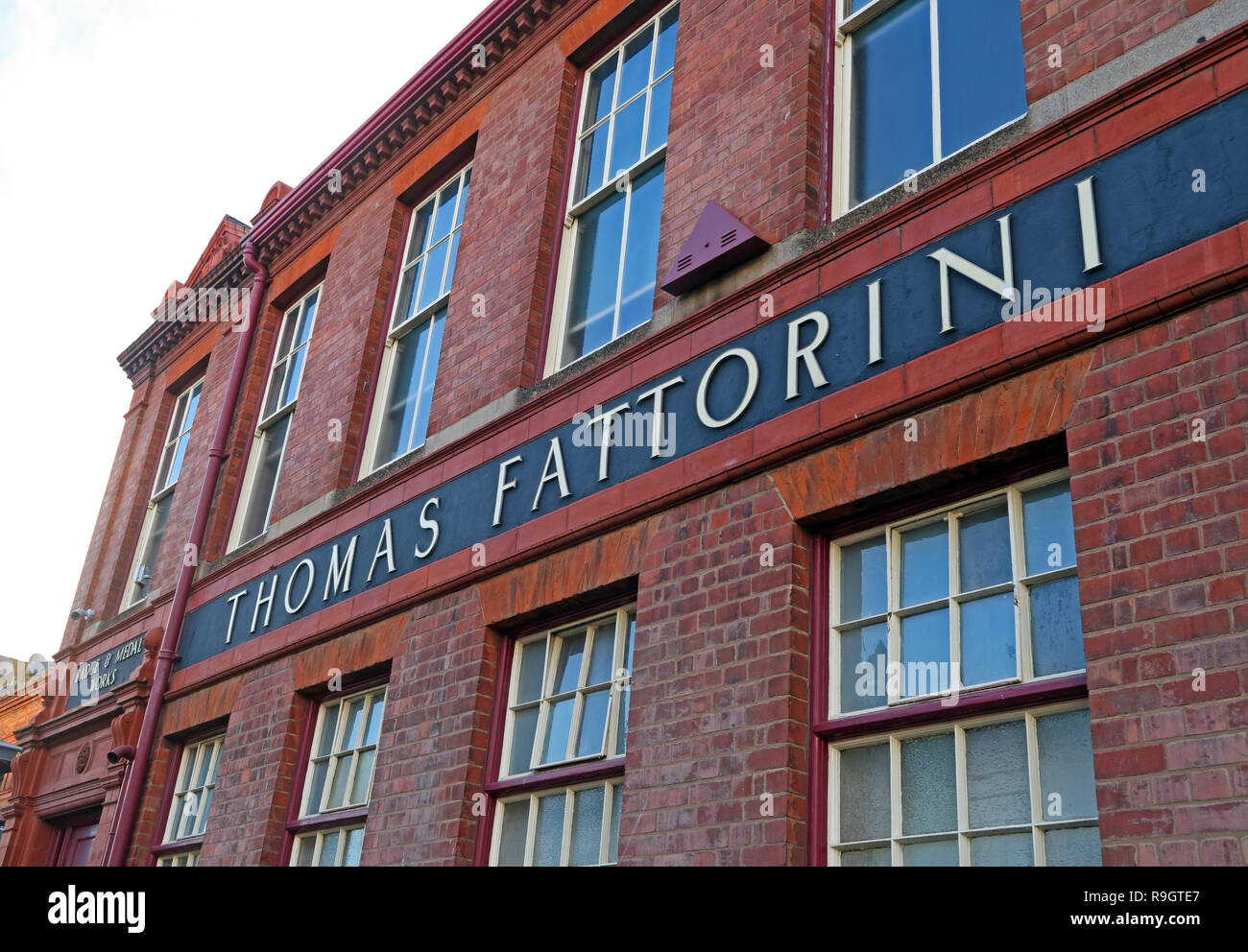
Image details
Contributor:
Tony SmithImage ID:
R9GTE7File size:
50.1 MB (2.2 MB Compressed download)Releases:
Model - no | Property - noDo I need a release?Dimensions:
5024 x 3488 px | 42.5 x 29.5 cm | 16.7 x 11.6 inches | 300dpiDate taken:
10 November 2018Location:
Regent St, Birmingham, English Midlands, UK, B1 3HQMore information:
. A detailed visual record places on record a moment within Regent St, Birmingham, English Midlands, UK, B1 3HQ, in a 2018 record. The described feature is Thomas Fattorini factory, Birmingham Jewellery quarter, Regent St, Birmingham, English Midlands, UK, B1 3HQ. Other closely connected aspects of the subject are urban fabric, architectural character, townscape identity, built heritage, heritage asset, local landmark, architectural heritage, historic built environment, conservation interest, traditional building, historic fabric, and historic townscape. For present-day editorial use, heritage assets can also illustrate debates about conservation of original fabric and maintenance cost, particularly where these affect preserving local character. Documentary value is strengthened by the precise setting at Regent St, Birmingham, English Midlands, UK, B1 3HQ, where even ordinary details of frontage, equipment, signs, traffic or public activity may disappear as the area evolves. Beyond the immediate subject, the setting involves conservation architecture, urban conservation, adaptive reuse, period architecture, heritage streetscape, period property. Other local associations include Brum. The same setting also brings together historic environment, and architectural detail. In the mid-2020s, local landmarks is increasingly discussed through maintenance cost and conservation of original fabric, with attention turning to preserving local character. In historical comparison, the image can help trace local business activity, regional identity, the condition of buildings, public-realm details, and patterns of everyday use without relying on a generic or reconstructed view. The lasting documentary value lies in its record of period design, local character, public activity, the appearance of the built environment, and changes of use in a form that can be compared with later photographs.

