
Cast of Here Be Improv, flyering in the High St, Edinburgh City Centre, Scotland, UK
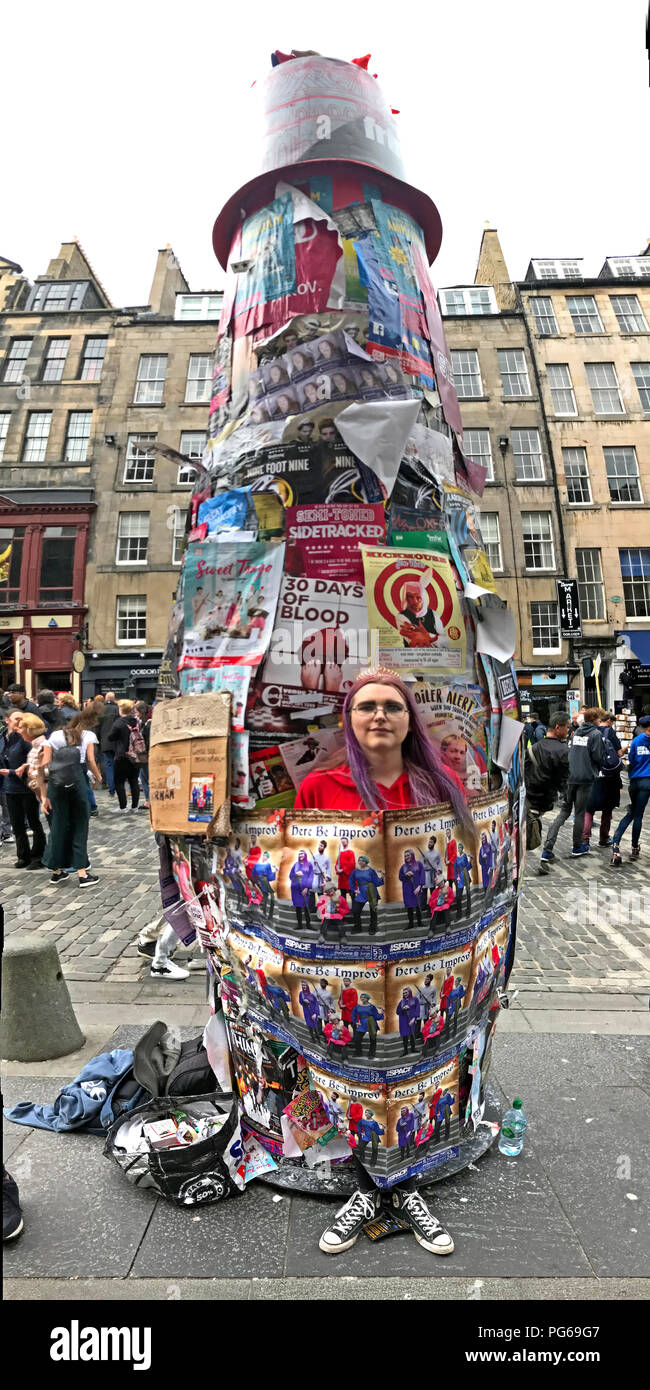
Image details
Contributor:
Tony SmithImage ID:
PG69G7File size:
75.2 MB (3.6 MB Compressed download)Releases:
Model - no | Property - noDo I need a release?Dimensions:
3628 x 7245 px | 30.7 x 61.3 cm | 12.1 x 24.2 inches | 300dpiDate taken:
17 August 2018Location:
148 High St, Edinburgh EH1 1QS, UKMore information:
. A place-specific photograph captures the working environment around 148 High St, Edinburgh EH1 1QS, UK, as photographed in 2018. The documentary focus is Cast of Here Be Improv, flyering in the High St, Edinburgh City Centre, Scotland, UK. The wider setting includes city-centre economy, commercial frontage, commercial streetscape, independent retail, retail property, consumer spending, consumer retail, shopfront economy, town-centre trading, bricks-and-mortar retail, retail vacancy, and customer footfall. The wider contemporary story of high-street retail now includes vacant premises alongside hybrid working, while policy and investment increasingly consider heritage-led regeneration. The date and location give the photograph archival strength: future views of 148 High St, Edinburgh EH1 1QS, UK may show different businesses, branding, services, architecture, traffic patterns or redevelopment, allowing clear before-and-after comparison. The surrounding story includes urban commerce, shopping district, local trading, retail decline and renewal, chain-store economy, storefront culture. Further recorded details include Edinburgh Fringe Festival, fringe Festival, Fringe, The Space, Edinburgh Fringe, Royal Mile. The same setting also brings together shopping habits, and high-street commerce. Seen from a 2025-onward perspective, commercial property also connects with changing footfall, hybrid working and efforts aimed at bringing empty units back into use. As the location changes, the frame remains a reference for neighbourhood identity, transport patterns, ownership or occupation, public access, and architecture and streetscape as part of the area's longer social history. In historical comparison, the image can help trace regional identity, local business activity, patterns of everyday use, public-realm details, and the condition of buildings without relying on a generic or reconstructed view.

