
Bridgwater East Quay and River Parrett,Sedgemoor, North Somerset, South West England, UK
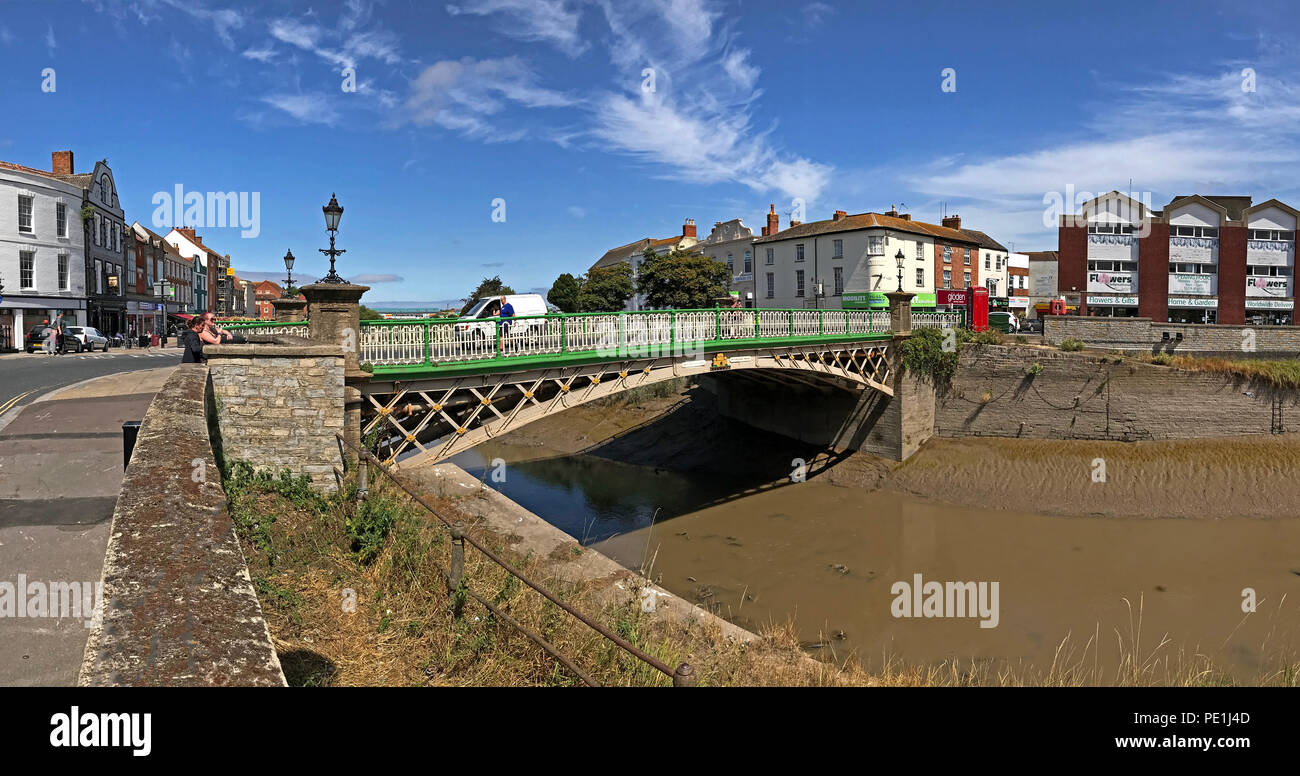
Image details
Contributor:
Tony SmithImage ID:
PE1J4DFile size:
74.3 MB (3.9 MB Compressed download)Releases:
Model - no | Property - noDo I need a release?Dimensions:
7014 x 3704 px | 59.4 x 31.4 cm | 23.4 x 12.3 inches | 300dpiDate taken:
7 August 2018More information:
. This descriptive scene captures a moment within the recorded location, in a time-specific record from 2018. The source caption identifies Bridgwater East Quay and River Parrett, Sedgemoor, North Somerset, South West England, UK. The physical and social setting additionally connects with residential environment, domestic architecture, property maintenance, historic fabric, maritime heritage, working waterfront, local landmark, waterborne transport, nautical transport, adaptive reuse, riparian setting, and residential development. For present-day editorial use, inland boating can also illustrate debates about ecology and habitat protection and volunteer involvement, particularly where these affect balancing leisure with engineering needs. Modern coverage of residential affordability frequently reaches beyond the immediate scene to questions of tenant rights, damp and mould and more affordable supply. Seen from a 2025-onward perspective, coastal transport also connects with emissions reduction, cleaner fuels and efforts aimed at modernised port operations. Documentary value is strengthened by the precise setting at the recorded location, where even ordinary details of frontage, equipment, signs, traffic or public activity may disappear as the area evolves, specifically in relation to Bridgwater East Quay and River Parrett. The resulting scene connects with heritage streetscape, urban living, coastal infrastructure, place-making, period architecture, navigation engineering. A second layer of description includes coastal shipping, canal heritage, built environment, maritime transport, waterway maintenance, marine transport, river management, homes and neighbourhoods, towpath environment, and urban fabric. In the mid-2020s, managed watercourses is increasingly discussed through waterside regeneration and volunteer involvement, with attention turning to adapting old structures to present-day use.

