
Doncaster Town centre empty retail units, Doncaster, South Yorkshire, England, UK
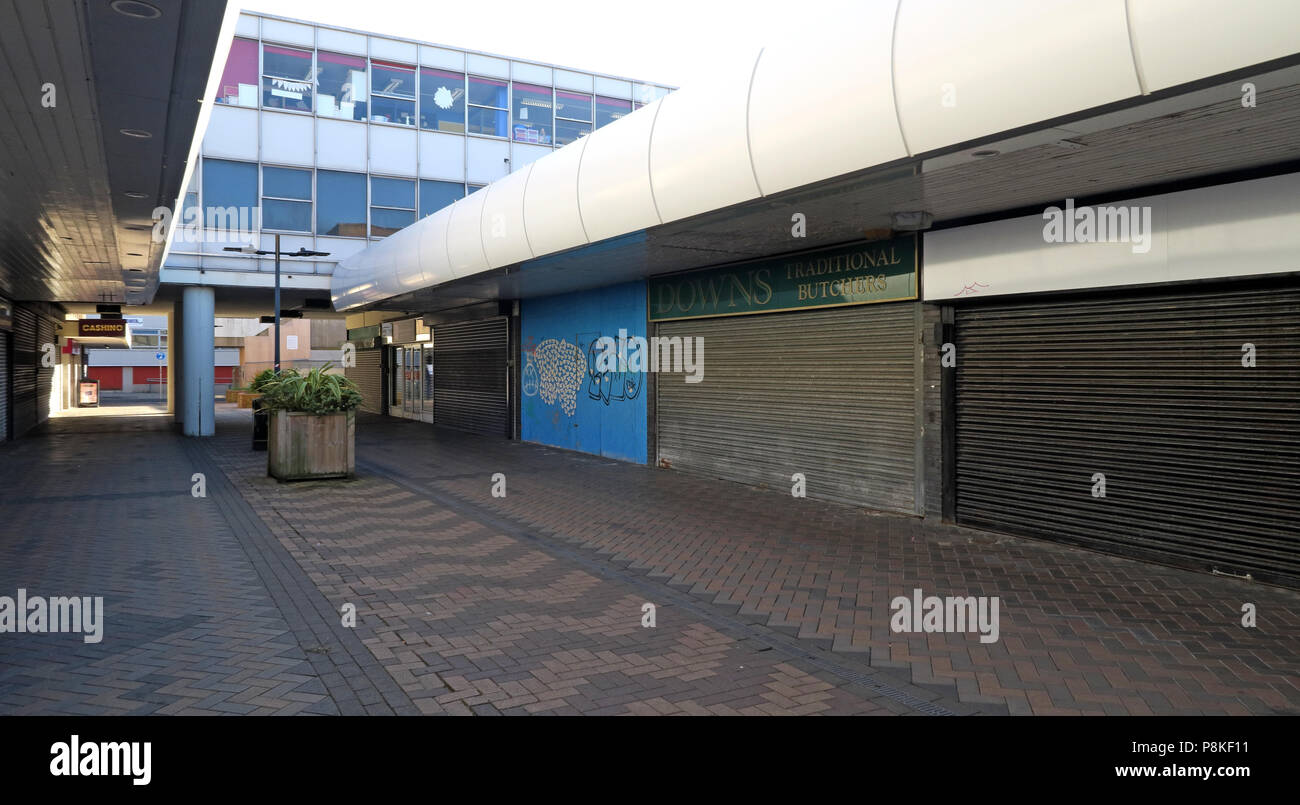
Image details
Contributor:
Tony SmithImage ID:
P8KF11File size:
47.2 MB (1.8 MB Compressed download)Releases:
Model - no | Property - noDo I need a release?Dimensions:
5472 x 3012 px | 46.3 x 25.5 cm | 18.2 x 10 inches | 300dpiDate taken:
3 July 2018Location:
Doncaster, South YorkshireMore information:
. An editorial view depicts the setting around the recorded location, in a view made during 2018. Within that setting the photograph concentrates on Doncaster Town centre empty retail units, Doncaster, South Yorkshire, England, UK. The scene also brings together civic debate, commercial frontage, commercial streetscape, storefront culture, government policy, civic administration, urban commerce, local authority, policy implementation, local trading, high-street commerce, and consumer retail. Current debate around physical shops often combines hybrid working, brand consolidation and the practical challenge of adaptable commercial space. In the mid-2020s, local government is increasingly discussed through housing and planning, with attention turning to community responses to government decisions. Small period details preserved at the recorded location may become historically important as commercial occupants, public services, infrastructure and the built environment change, making the image useful for retrospective editorial coverage, specifically in relation to Doncaster Town centre empty retail units. The view also records themes involving retail decline and renewal, public-sector policy, democratic accountability, shopfront economy, town-centre trading, community debate. Its context additionally embraces customer footfall, social policy, consumer spending, retail vacancy, public administration, government decision-making, retail property, shopping district, independent retail, and public policy. The wider contemporary story of retail streets now includes hybrid working alongside vacant premises, while policy and investment increasingly consider heritage-led regeneration. Viewed retrospectively, the photograph can reveal physical infrastructure, commercial identity, signage and branding, local continuity, and community life as part of the area's longer social history. The frame further records local character for future researchers.

