
Anson fancy Dress Shop, 30-31 Market Place, Doncaster,Yorkshire, UK, DN1 1NE
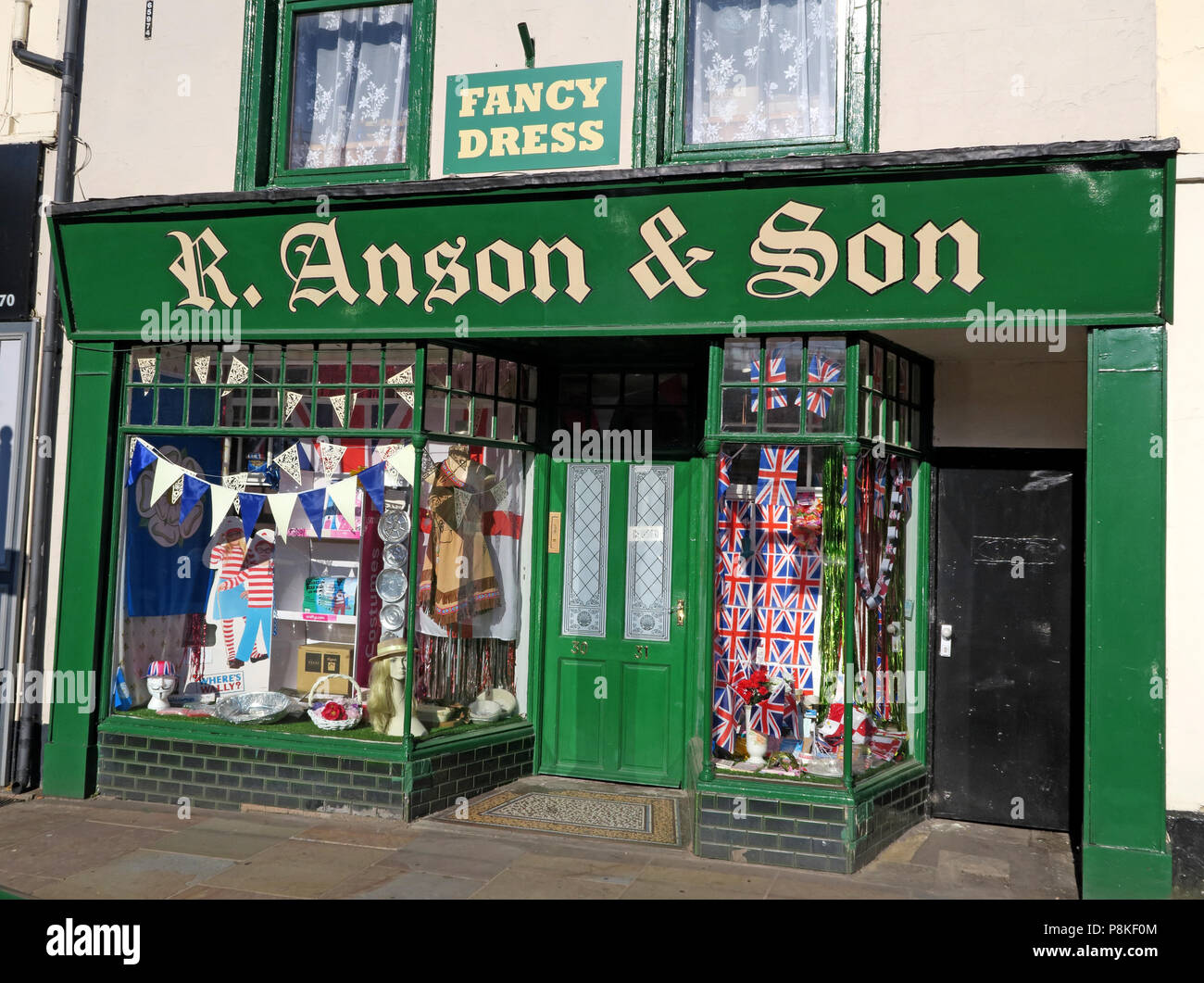
Image details
Contributor:
Tony SmithImage ID:
P8KF0MFile size:
51 MB (2.4 MB Compressed download)Releases:
Model - no | Property - noDo I need a release?Dimensions:
4884 x 3648 px | 41.4 x 30.9 cm | 16.3 x 12.2 inches | 300dpiDate taken:
3 July 2018Location:
30 Market Place, Doncaster, South Yorkshire, DN1 1NEMore information:
. Anson fancy Dress Shop, 30-31 Market Place, Doncaster, Yorkshire, UK, DN1 1NE. Photographed on 3 July 2018. The recorded location is 30 Market Place, Doncaster, South Yorkshire, DN1 1NE. All sorts of fancy dress. Historically, fashion is often best understood through small details such as buttons, cuts, textiles and finishes; These elements show how garments are constructed and can distinguish bespoke tailoring, formalwear, uniforms or the distinctive styles of a particular decade. Historically, markets and high-street businesses combine commercial history with everyday social life; Their changing occupiers, branding and uses document local economies, consumer culture, town-centre regeneration and the long shift from traditional retailing towards mixed shopping, food and leisure destinations. Historically, urban street scenes capture the cumulative effect of planning, architecture, transport, retail and public space; Shopfronts, signs, street furniture and pedestrians can date an image precisely and show how a district changes between periods of investment, decline and regeneration. In 2026, current discussion of clothing often contrasts disposable fast fashion with quality, longevity and skilled manufacture; Tailoring details can therefore support stories about craftsmanship, sustainability and consumer choice. In 2026, town-centre resilience continues to be a major policy issue in England, with government programmes aimed at high streets and community ownership of valued local assets; Changing retail patterns, vacancies and the growth of food-led destinations make older shop and market photographs useful for comparison. The subject remains topical in 2026 because fashion coverage increasingly includes durability, repair, resale and the environmental cost of fast fashion, giving well-made garments and traditional tailoring renewed relevance. Associated subject terminology includes menswear, clothing detail, fashion history, and sartorial.

