
Ward Brothers Furniture Store, Doncaster, 29 - 40 Waterdale, Doncaster, Yorkshire, England, UK, DN1 3EY
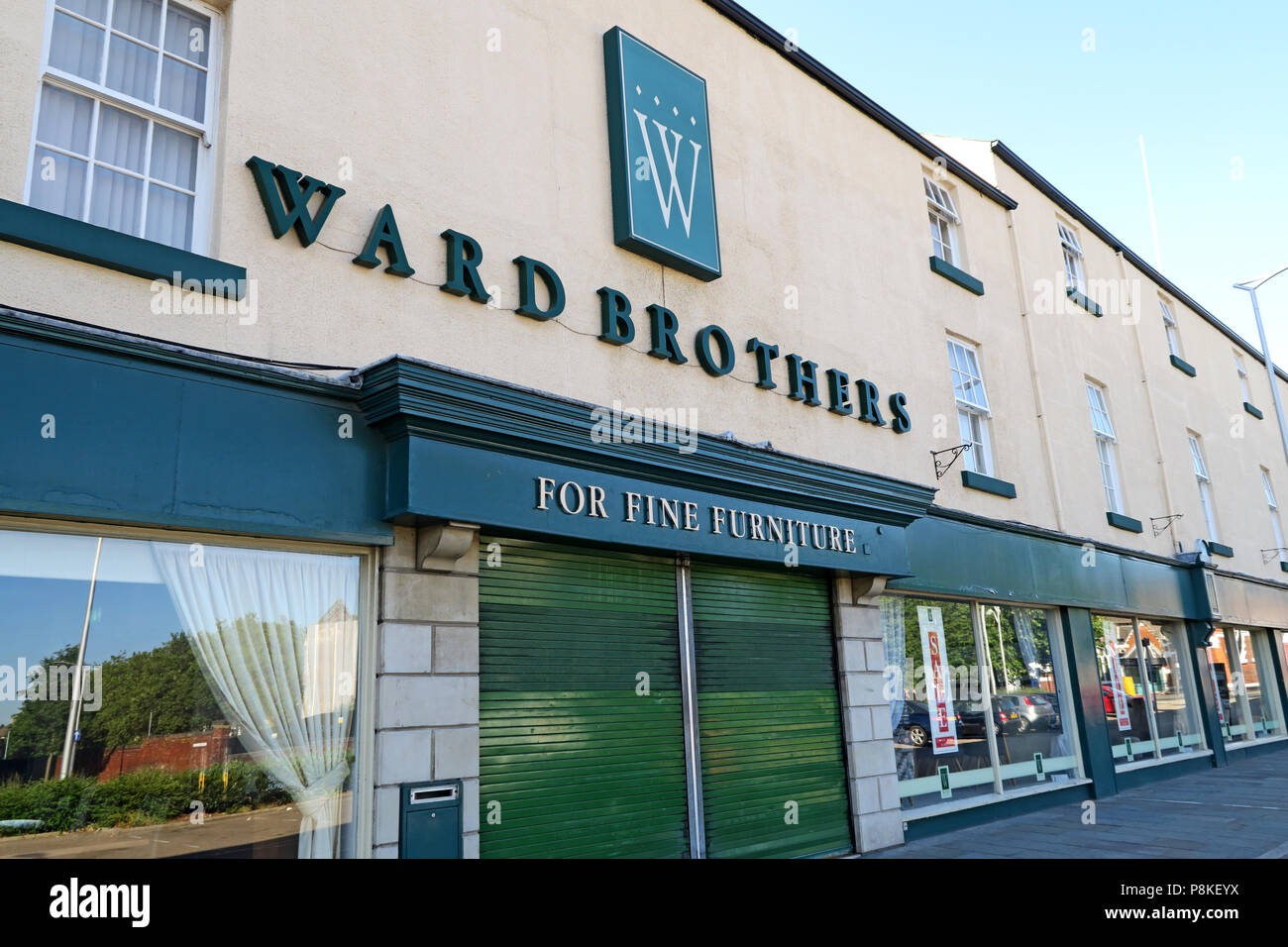
Image details
Contributor:
Tony SmithImage ID:
P8KEYXFile size:
57.1 MB (2.3 MB Compressed download)Releases:
Model - no | Property - noDo I need a release?Dimensions:
5472 x 3648 px | 46.3 x 30.9 cm | 18.2 x 12.2 inches | 300dpiDate taken:
3 July 2018Location:
29 - 40 Waterdale, Doncaster, Yorkshire, England, UK, DN1 3EYMore information:
. A close documentary record captures the social and built context of 29 - 40 Waterdale, Doncaster, Yorkshire, England, UK, DN1 3EY, in a scene preserved from 2018. The supplied image information identifies Ward Brothers Furniture Store, Doncaster, 29 - 40 Waterdale, Doncaster, Yorkshire, England, UK, DN1 3EY. The physical and social setting additionally connects with chain-store economy, architectural heritage, period architecture, historic built environment, architectural detail, town-centre trading, bricks-and-mortar retail, built heritage, urban conservation, heritage asset, consumer spending, and high-street commerce. In the mid-2020s, town-centre commerce is increasingly discussed through online shopping and brand consolidation, with attention turning to bringing empty units back into use. For present-day editorial use, traditional structures can also illustrate debates about energy retrofit and conservation of original fabric, particularly where these affect lower-carbon reuse rather than demolition. Because this is a time-specific record of 29 - 40 Waterdale, Doncaster, Yorkshire, England, UK, DN1 3EY, later comparison can reveal changes in signage, ownership, land use, transport, street furniture, building condition and the way the public uses the surrounding space. The surrounding context also touches on shopfront economy, period property, customer footfall, shopping district, architectural character, retail vacancy. Other local associations include Ward Brothers Doncaster, soft furnishing, Doncaster Town Centre, town centre, Donny, for fine furniture. The same setting also brings together storefront culture, shopping habits, city-centre economy, townscape identity, adaptive reuse, commercial frontage, traditional building, consumer retail, independent retail, and conservation architecture. It also preserves the area's visual identity within the evolving townscape.

