
TPT Transpennine Trail, no access to Spike Island, Widnes at new crossing
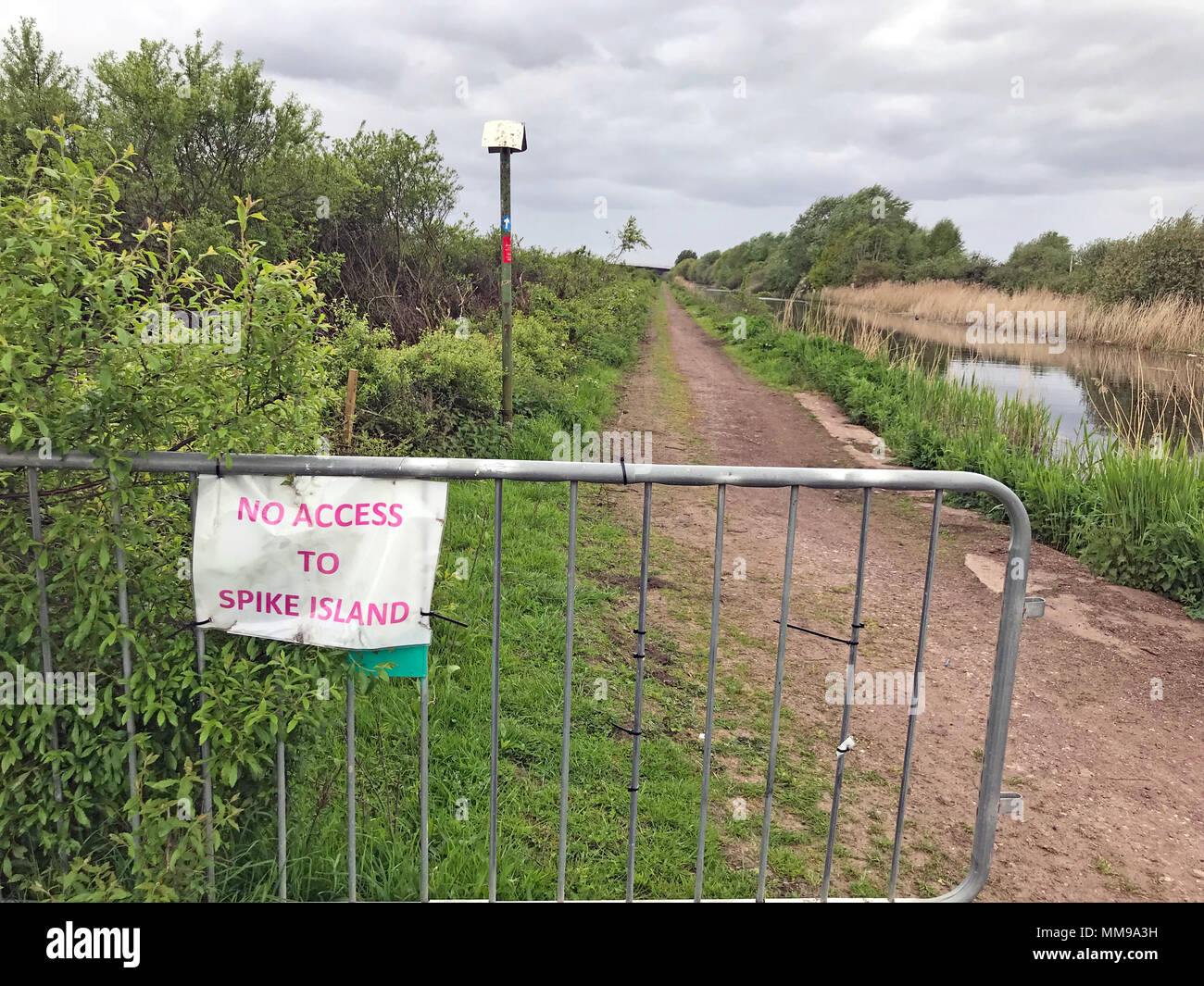
Image details
Contributor:
Tony SmithImage ID:
MM9A3HFile size:
34.9 MB (2.3 MB Compressed download)Releases:
Model - no | Property - noDo I need a release?Dimensions:
4032 x 3024 px | 34.1 x 25.6 cm | 13.4 x 10.1 inches | 300dpiDate taken:
9 May 2018More information:
. An identifiable period record of the recorded location in 2018, retaining the practical detail and local context that distinguish a documentary photograph from a generic illustration. The frame specifically shows TPT Transpennine Trail, no access to Spike Island, Widnes at new crossing. A broader reading of the photograph includes documentary photography, visitor guidance, visual archive, public realm, changing land use, archival record, route marker, roadside information, transport stop marker, community identity, orientation signage, public-facing notice, local character, and contemporary social history. The modern context includes continuing discussion of transport information, maintenance and how small pieces of street furniture become recognisable parts of local identity. The archival value lies partly in recording lettering, decoration and surface detail around the recorded location before different community use alters the character of the place. A second descriptive layer includes wayfinding marker, regional identity, local information board, period detail, before-and-after reference, directional sign, historical comparison, and navigation aid. The recorded references to Trail, Transpennine, Widnes, Spike, and crossing preserve clues about how the subject was presented, used or understood at the time. The period setting at the recorded location helps place the main subject within real social and physical surroundings rather than isolating it as an abstract object. The scene further reflects transport information and how small pieces of street furniture become recognisable parts of local identity without losing the local specificity of the recorded location. Its period value extends to clear communication and the need for accessible information that works without digital technology in a form that can be compared with future views of the recorded location. The photograph keeps a trace of local identity before later change alters the scene.

