
Helena Central office building at dusk, Torus Housing Group, St Helens, Merseyside, England, UK
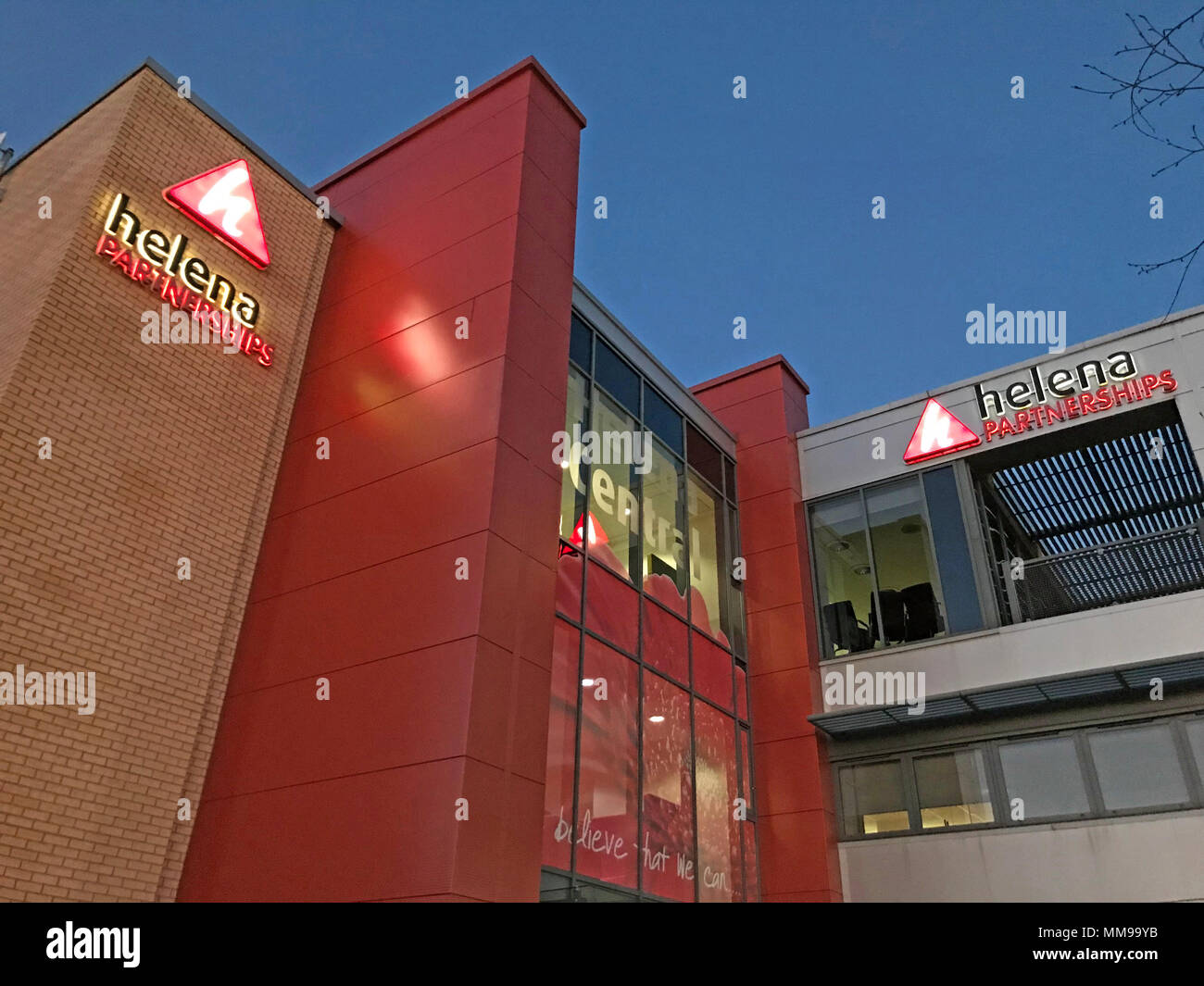
Image details
Contributor:
Tony SmithImage ID:
MM99YBFile size:
34.9 MB (1.2 MB Compressed download)Releases:
Model - no | Property - noDo I need a release?Dimensions:
4032 x 3024 px | 34.1 x 25.6 cm | 13.4 x 10.1 inches | 300dpiDate taken:
29 January 2018More information:
. This dated editorial view of the recorded location in 2018 captures more than the immediate subject, retaining clues about local use, design, activity and change. The location is represented through Helena Central office building at dusk, Torus Housing Group, St Helens, Merseyside, England, UK. The frame also records themes of everyday life, place identity, documentary photography, architectural detail, period building, heritage asset, period architecture, cityscape history, historic streetscape, local character, public realm, architectural character, changing streetscape, and adaptive reuse. The modern context includes continuing discussion of planning control, redevelopment pressure and keeping older buildings useful without erasing their distinctive character. Small period details of public access and movement at the recorded location may become more significant with time, particularly following changing commercial priorities. A second descriptive layer includes historical comparison, visual archive, social history, local history, heritage landmark, archival record, changing land use, and conservation architecture. The recorded references to Helens, Torus, Helena, building, and Merseyside preserve clues about how the subject was presented, used or understood at the time. A later view of the recorded location may show a very different setting, increasing the value of this precise record of its earlier appearance and activity. Another strand within the photograph is planning control and keeping older buildings useful without erasing their distinctive character in a form that can be compared with future views of the recorded location. The setting also helps illustrate adaptive reuse and the value of architectural landmarks to local identity and tourism within the real-world context of the recorded location. The photograph keeps a local visual benchmark as part of the recorded location's history.

