
Lancaster Railway Station, Unisex Toilet,Babycare,Ladies facilities, Lancashire, England, UK
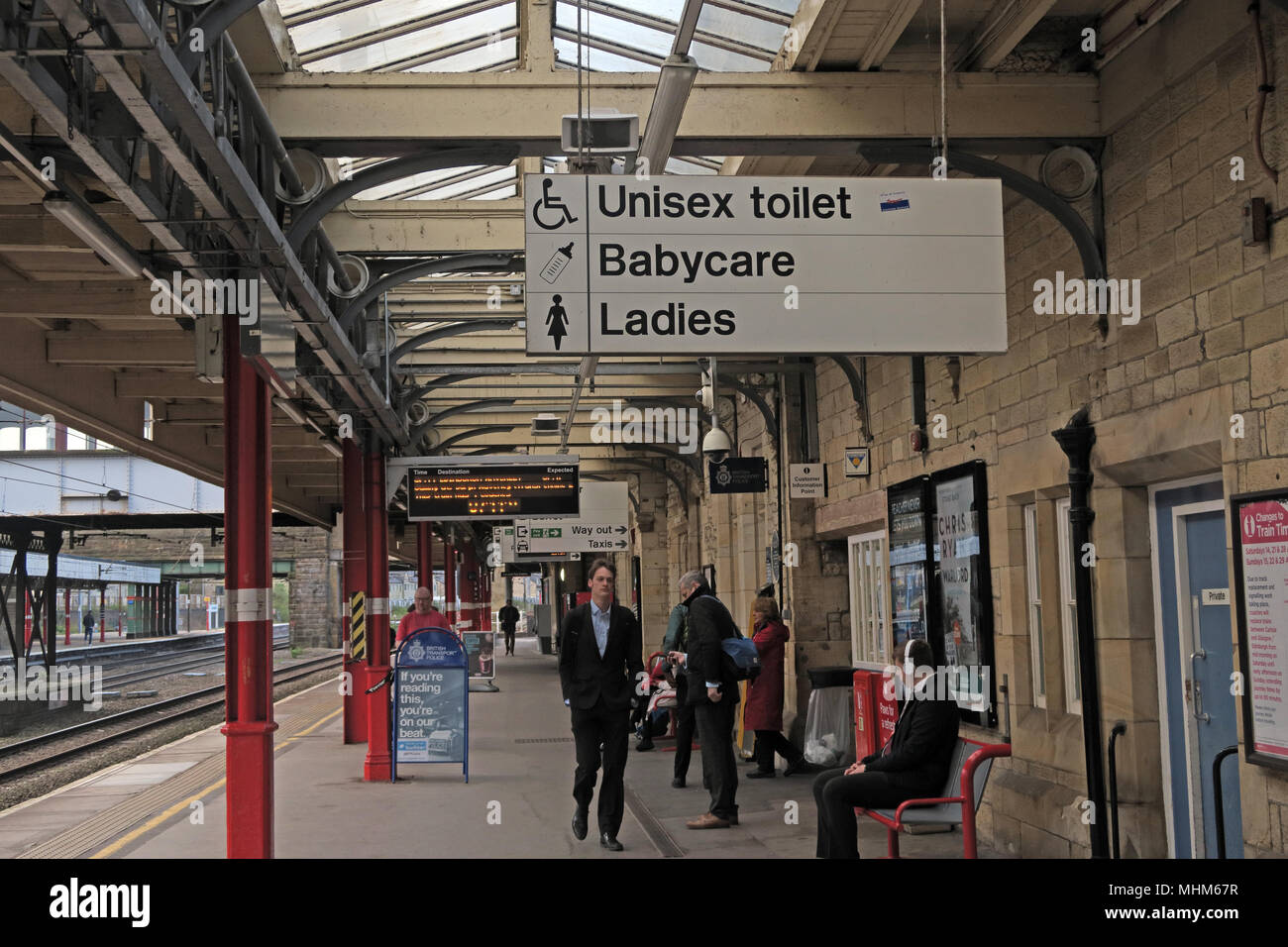
Image details
Contributor:
Tony SmithImage ID:
MHM67RFile size:
51.1 MB (2.2 MB Compressed download)Releases:
Model - no | Property - noDo I need a release?Dimensions:
5178 x 3452 px | 43.8 x 29.2 cm | 17.3 x 11.5 inches | 300dpiDate taken:
26 April 2018More information:
. A grounded documentary photograph made at the recorded location in 2018, combining the immediate subject with evidence of the surrounding streetscape, public realm, business activity or local character. The frame specifically shows Lancaster Railway Station, Unisex Toilet, Babycare, Ladies facilities, Lancashire, England, UK. The broader subject matter reaches into adult social care, local character, supported living, documentary photography, archival record, visual archive, later-life housing, care-home development, residential support, regional identity, period detail, before-and-after reference, care workforce, and everyday life. Current relevance extends to staffing and quality of care, particularly through the importance of designing care settings around dignity and independence. Future viewers can use this scene from the recorded location to compare street furniture and boundaries with whatever follows after changed technology. Further associations within the scene are historical comparison, elderly care, place identity, ageing population, changing land use, care capacity, local history, and social history. Elements such as Lancaster, Lancashire, Unisex, Railway, and Toilet add documentary specificity and may become increasingly useful when compared with later records. A later view of the recorded location may show a very different setting, increasing the value of this precise record of its earlier appearance and activity. The wider significance includes staffing and the importance of designing care settings around dignity and independence as part of the longer story of the recorded location. Another strand within the photograph is care capacity and the growing demand for care services as the population ages when considered against later change at the recorded location. The frame retains details of everyday use for future local research. The scene captures evidence of changing use before later change alters the scene.

