
Lancaster Railway Station, Unisex Toilet,Babycare,Ladies facilities, Lancashire, England, UK
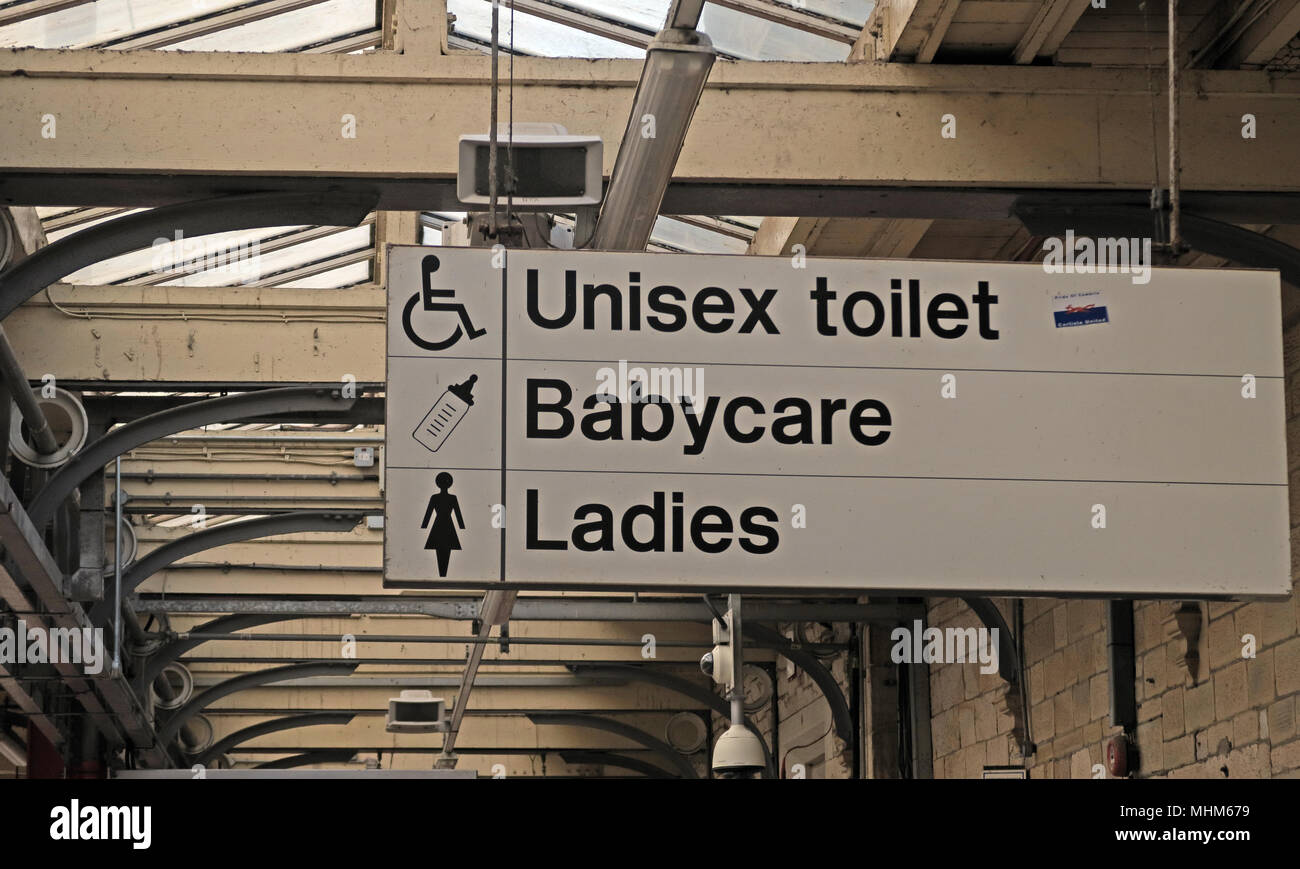
Image details
Contributor:
Tony SmithImage ID:
MHM679File size:
44 MB (1.8 MB Compressed download)Releases:
Model - no | Property - noDo I need a release?Dimensions:
5064 x 3036 px | 42.9 x 25.7 cm | 16.9 x 10.1 inches | 300dpiDate taken:
26 April 2018More information:
. Photographed at the recorded location in 2018, this detailed documentary image records the subject within its real surroundings and preserves a specific stage in the life of the location. The scene records Lancaster Railway Station, Unisex Toilet, Babycare, Ladies facilities, Lancashire, England, UK. The frame also records themes of changing streetscape, before-and-after reference, historical comparison, care-sector provision, documentary photography, adult social care, community identity, period detail, ageing population, social history, social-care infrastructure, residential care, place identity, and care capacity. Viewed from the mid-2020s, the subject also connects with ageing population, housing with support and the long-running pressure on staffing and funding in adult social care. As a dated visual record of the recorded location, the frame retains street furniture and boundaries, making it especially useful if refurbishment subsequently changes the scene. Other useful contextual ideas include elderly care, contemporary social history, local character, care-home development, care workforce, regional identity, archival record, and later-life housing. Elements such as Ladies, Toilet, facilities, Unisex, and Railway add documentary specificity and may become increasingly useful when compared with later records. Around the recorded location, apparently routine details can become historically useful once businesses close, buildings change use or familiar features disappear. The image also provides a reference for ageing population and the long-running pressure on staffing and funding in adult social care in a form that can be compared with future views of the recorded location. Another useful connection is care capacity and the importance of designing care settings around dignity and independence within the real-world context of the recorded location. It also preserves evidence of changing use for later comparison.

