
Unilever Persil plant at Warrington Bank Quay
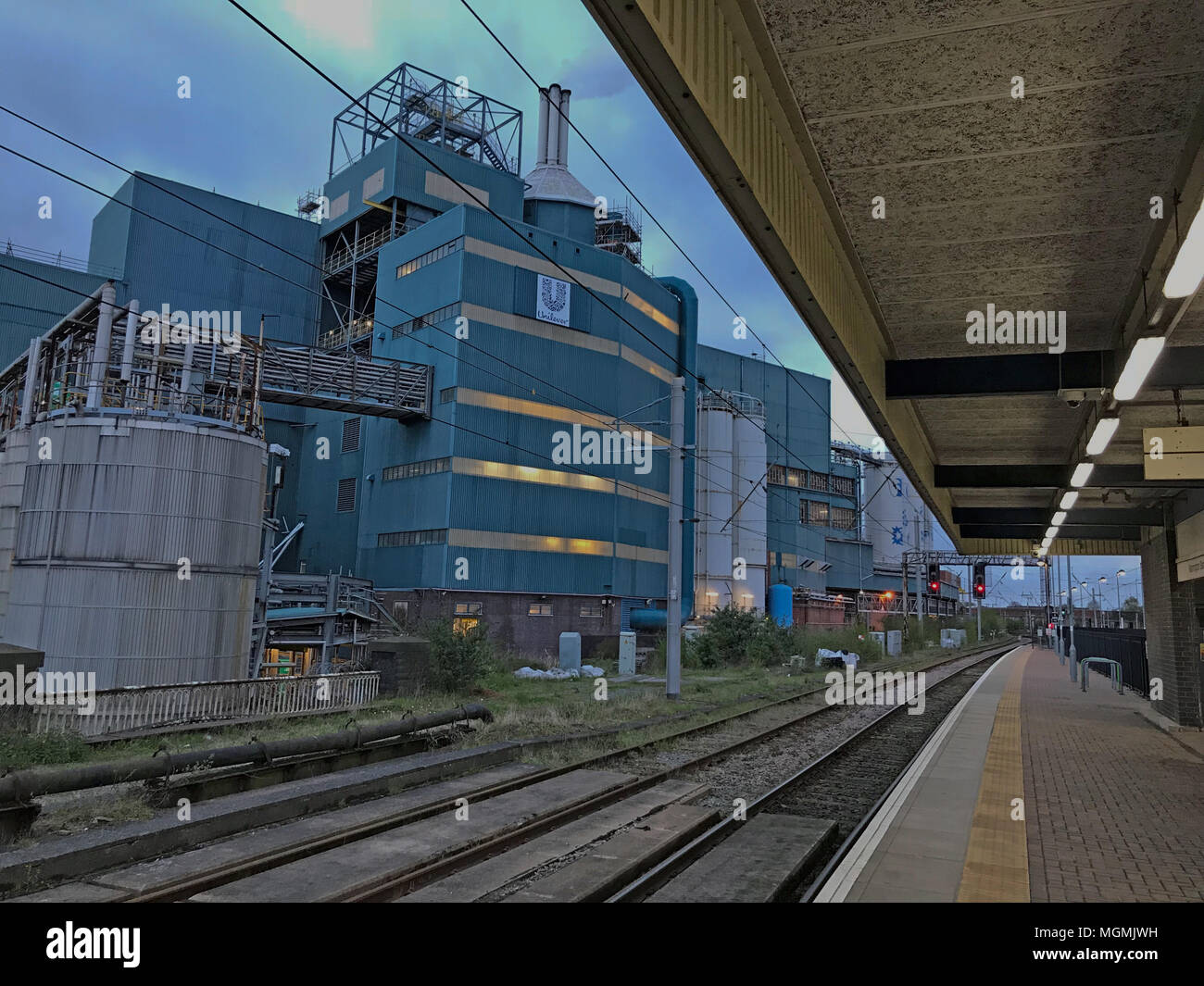
Image details
Contributor:
Tony SmithImage ID:
MGMJWHFile size:
34.9 MB (1.6 MB Compressed download)Releases:
Model - no | Property - noDo I need a release?Dimensions:
4032 x 3024 px | 34.1 x 25.6 cm | 13.4 x 10.1 inches | 300dpiDate taken:
26 April 2018More information:
. An identifiable period record of the recorded location in 2018, retaining the practical detail and local context that distinguish a documentary photograph from a generic illustration. At the centre of the view is Unilever Persil plant at Warrington Bank Quay. The image also relates to historic streetscape, conservation interest, public realm, period detail, regional identity, heritage landmark, contemporary social history, everyday life, local history, urban fabric, adaptive reuse, period building, historic townscape, and cityscape history. Today's relevance is strengthened by maintenance, tourism and the continuing question of the balance between conservation, retrofit and modern accessibility. The image fixes street furniture and boundaries within the recorded location at one identifiable point, providing a benchmark against changing commercial priorities. Further associations within the scene are changing streetscape, local character, period architecture, conservation architecture, visual archive, before-and-after reference, historical comparison, and place identity. The combination of Unilever, plant, and Persil anchors the frame to a recognisable activity, place or moment. Image MGMJWH still provides a clear period benchmark for Unilever Persil plant at Warrington Bank Quay, preserving details of design, wording, material, use or presentation that may later change. The scene further reflects maintenance and how historic buildings acquire new uses as cities change as part of the longer story of the recorded location. Its period value extends to redevelopment pressure and the balance between conservation, retrofit and modern accessibility when considered against later change at the recorded location. The location additionally provides evidence of planning control and keeping older buildings useful without erasing their distinctive character without losing the local specificity of the recorded location.

