
Bank Closures Barclays Sankey St Warrington, Cheshire
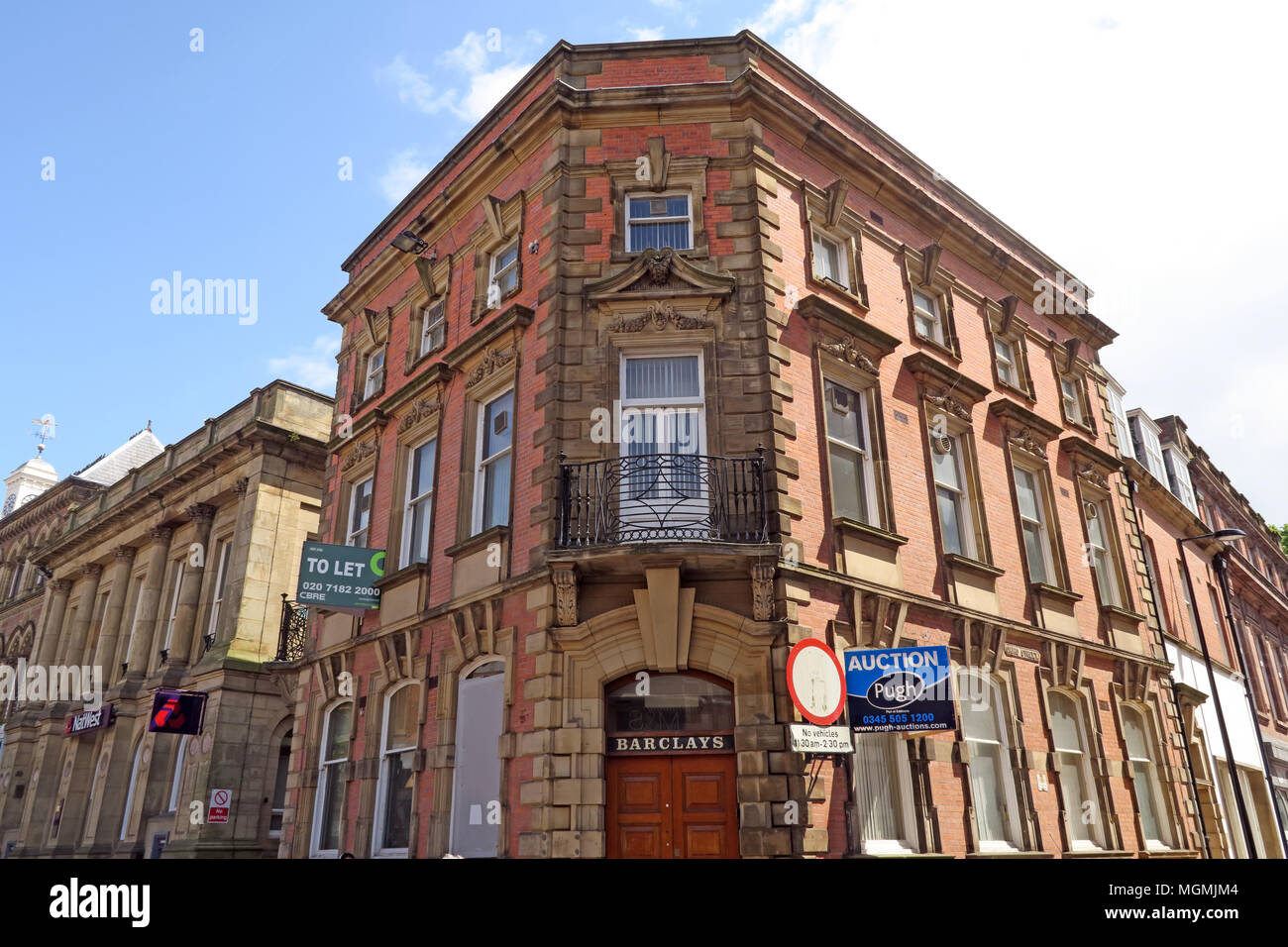
Image details
Contributor:
Tony SmithImage ID:
MGMJM4File size:
57.1 MB (2.5 MB Compressed download)Releases:
Model - no | Property - noDo I need a release?Dimensions:
5472 x 3648 px | 46.3 x 30.9 cm | 18.2 x 12.2 inches | 300dpiDate taken:
27 May 2017More information:
. An identifiable period record of the recorded location in 2017, retaining the practical detail and local context that distinguish a documentary photograph from a generic illustration. The frame specifically shows Bank Closures Barclays Sankey St Warrington, Cheshire. The frame also records themes of everyday life, regional identity, social history, archival record, historical comparison, historic commemoration, commemorative text, epitaph, community memory, period detail, changing streetscape, memorial stone, before-and-after reference, and place identity. The modern context includes continuing discussion of community memory, cemetery maintenance and how public monuments become focal points for collective memory. As a dated visual record of the recorded location, the frame retains transport arrangements and footfall, making it especially useful if altered transport patterns subsequently changes the scene. The subject also sits alongside community identity, documentary photography, contemporary social history, local remembrance, changing land use, funerary heritage, graveyard heritage, and visual archive. The combination of Barclays, Sankey, and Closures anchors the frame to a recognisable activity, place or moment. Around the recorded location, apparently routine details can become historically useful once businesses close, buildings change use or familiar features disappear. The setting also helps illustrate community memory and how public monuments become focal points for collective memory as part of the longer story of the recorded location. The image also provides a reference for genealogy and how inscriptions preserve humour, beliefs and attitudes toward death when considered against later change at the recorded location. Another useful connection is community memory and the conservation challenge posed by weathered historic stone and lettering without losing the local specificity of the recorded location.

