
Dexter Jones Knutsford popup craft beer and Gin shop
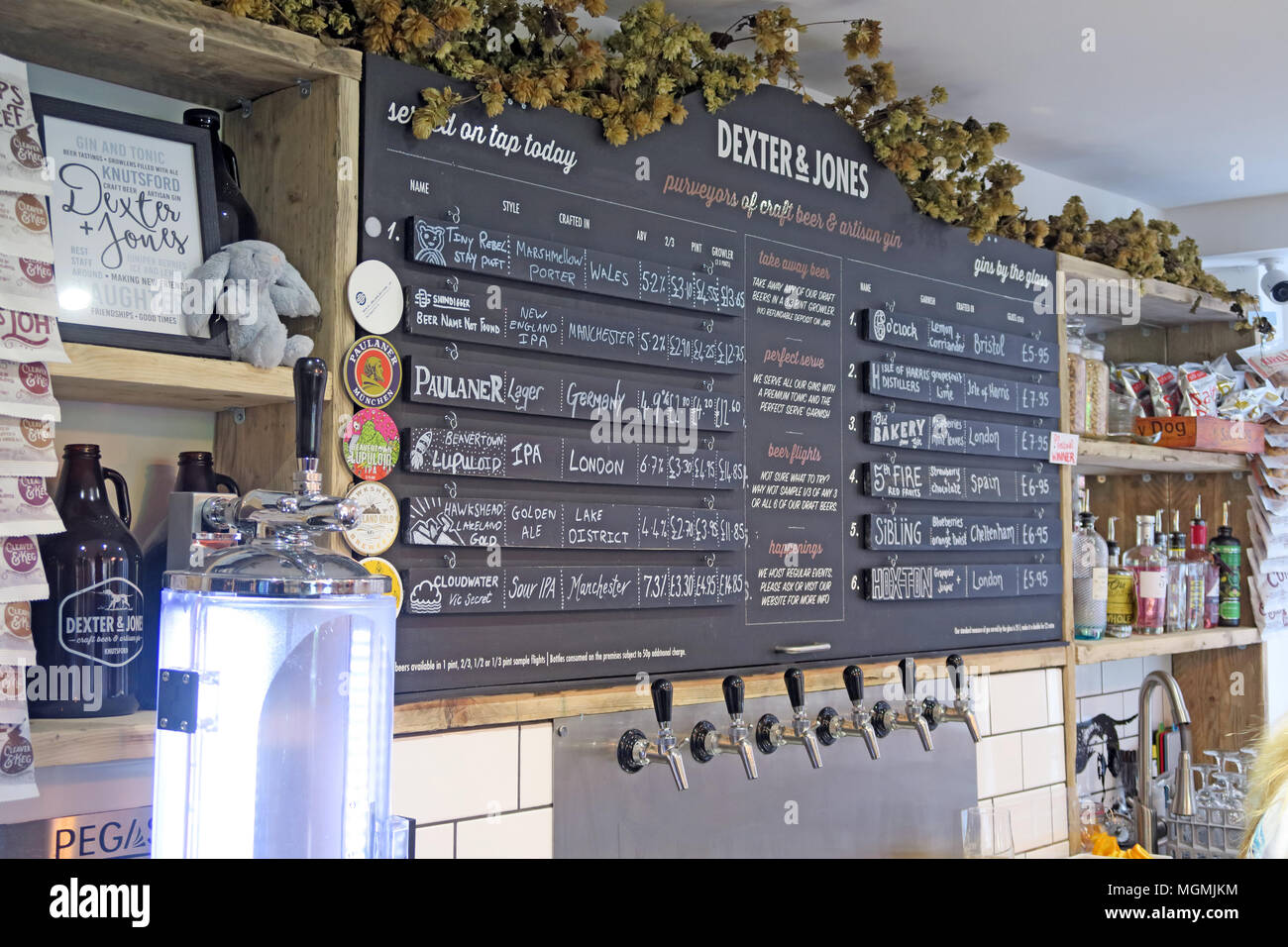
Image details
Contributor:
Tony SmithImage ID:
MGMJKMFile size:
57.1 MB (2.5 MB Compressed download)Releases:
Model - no | Property - noDo I need a release?Dimensions:
5472 x 3648 px | 46.3 x 30.9 cm | 18.2 x 12.2 inches | 300dpiDate taken:
20 May 2017More information:
. This dated editorial view of the recorded location in 2017 captures more than the immediate subject, retaining clues about local use, design, activity and change. The location is represented through Dexter Jones Knutsford popup craft beer and Gin shop. A broader reading of the photograph includes commercial streetscape, cider brand history, regional drinks industry, beverage production, industrial beverage equipment, historic beverage advertising, community identity, orchard-to-bottle industry, place identity, social history, street-level business, regional identity, before-and-after reference, and town-centre economy. Current relevance extends to energy costs and brand heritage, particularly through how historic drinks advertising and machinery become industrial heritage. In present-day coverage, the subject reaches into independent business and online shopping, not least because of how consumer spending and property costs shape local commercial streets. As a dated visual record of the recorded location, the frame retains transport arrangements and footfall, making it especially useful if changing commercial priorities subsequently changes the scene. Further associations within the scene are retail property, historical comparison, visual archive, independent retail, drinks manufacturing, changing streetscape, bottle-filling machinery, and changing land use. The combination of popup, craft, Jones, Dexter, and Knutsford anchors the frame to a recognisable activity, place or moment. Viewed retrospectively, MGMJKM can help trace changes in the appearance, interpretation or use of Dexter Jones Knutsford popup craft beer and Gin shop, despite the absence of a more detailed address. The location additionally provides evidence of energy costs and how historic drinks advertising and machinery become industrial heritage when considered against later change at the recorded location. The frame retains details of everyday use as a date-specific reference.

