
Waters Meeting, Bridgewater Canal, Preston Brook to Runcorn, Cheshire, England, UK
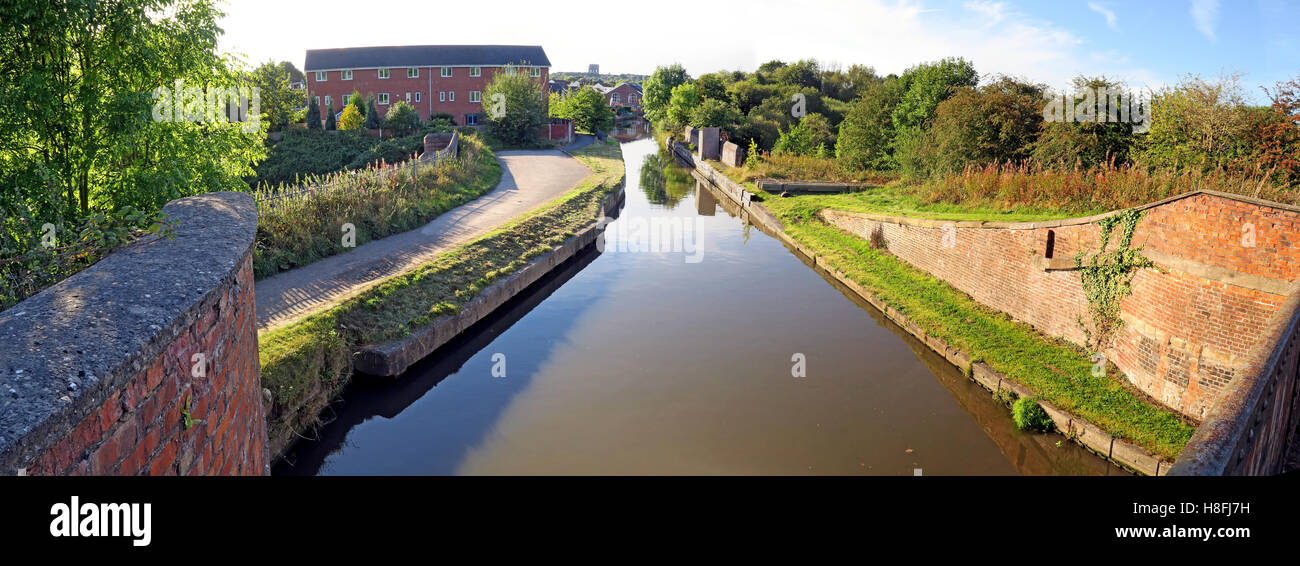
Image details
Contributor:
Tony SmithImage ID:
H8FJ7HFile size:
67.5 MB (5.5 MB Compressed download)Releases:
Model - no | Property - noDo I need a release?Dimensions:
8023 x 2940 px | 67.9 x 24.9 cm | 26.7 x 9.8 inches | 300dpiDate taken:
17 September 2016More information:
. This authentic period view of the recorded location in 2016 preserves the main subject alongside smaller contextual details that can acquire greater historical value as places and uses change. The location is represented through Waters Meeting, Bridgewater Canal, Preston Brook to Runcorn, Cheshire, England, UK. A broader reading of the photograph includes conservation interest, social history, regional identity, historic streetscape, conservation architecture, architectural detail, place identity, local character, contemporary social history, adaptive reuse, historical comparison, urban fabric, period detail, and heritage landmark. For current editorial use, adaptive reuse and energy retrofit provide additional context, especially through the balance between conservation, retrofit and modern accessibility. The archival value lies partly in recording street furniture and boundaries around the recorded location before altered transport patterns alters the character of the place. A second descriptive layer includes before-and-after reference, period architecture, changing streetscape, local history, visual archive, changing land use, heritage asset, and documentary photography. Details involving Brook, Canal, Runcorn, Waters, and Preston make the image more specific than a generic view and strengthen its local or historical value. A later view of the recorded location may show a very different setting, increasing the value of this precise record of its earlier appearance and activity. The scene further reflects adaptive reuse and the balance between conservation, retrofit and modern accessibility as part of the longer story of the recorded location. Its period value extends to redevelopment pressure and keeping older buildings useful without erasing their distinctive character when considered against later change at the recorded location. The record includes part of the area's social history as a date-specific reference.

