
Factory Records Offices FACT251, 118 Princess St, Manchester M1 7EN, England, UK
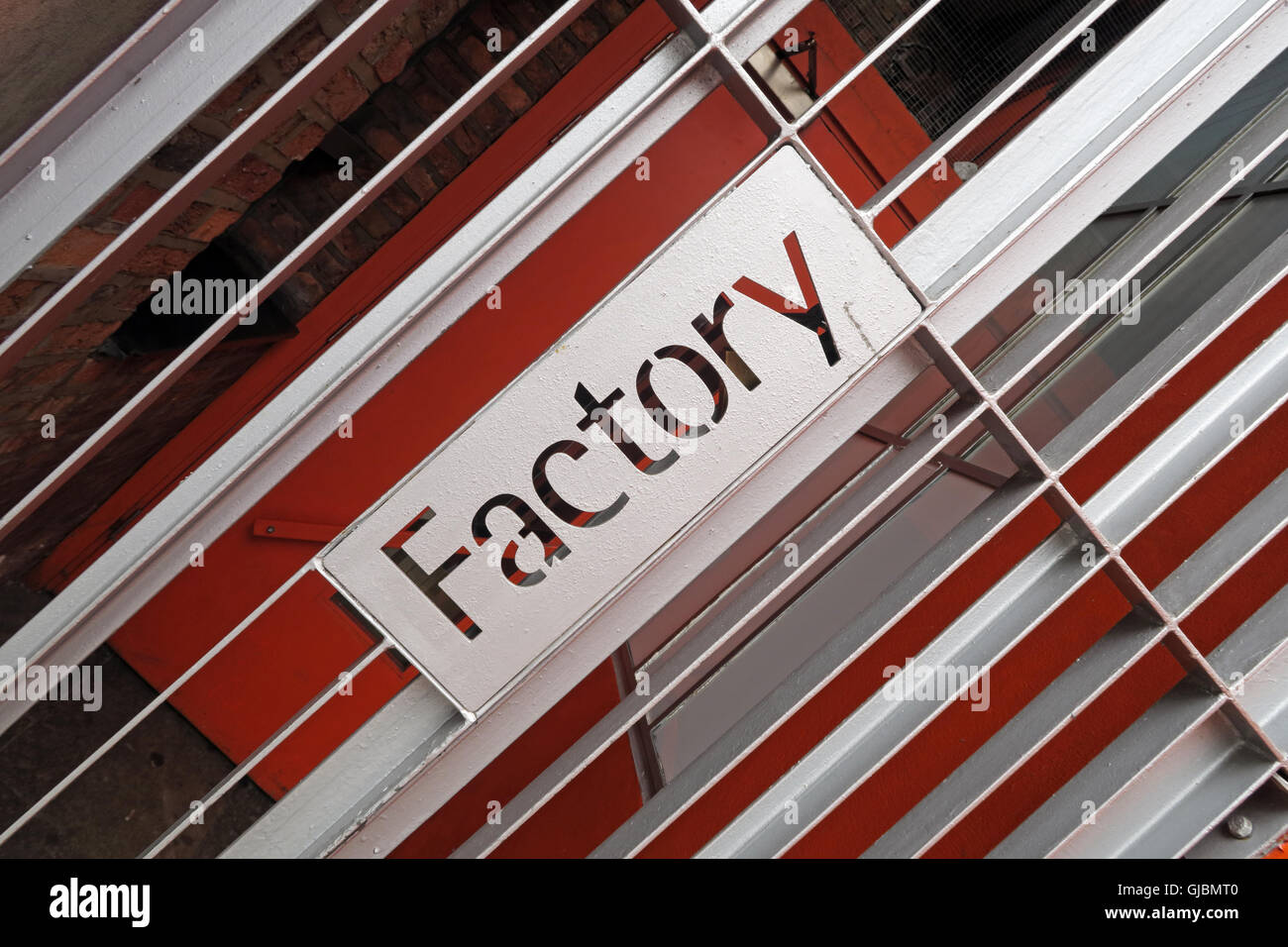
Image details
Contributor:
Tony SmithImage ID:
GJBMT0File size:
57.1 MB (2.2 MB Compressed download)Releases:
Model - no | Property - noDo I need a release?Dimensions:
5472 x 3648 px | 46.3 x 30.9 cm | 18.2 x 12.2 inches | 300dpiDate taken:
9 August 2016Location:
118 Princess St, Manchester, England, UK M1 7ENMore information:
. Factory Records Offices FACT251, 118 Princess St, Manchester M1 7EN, England, UK. Photographed on 9 August 2016. The recorded location is 118 Princess St, Manchester, England, UK M1 7EN. The old HQ building of Factory Records, iconic indie record label. Designed by Ben Kelly. 118 Princess Street was associated with Factory Records as the label's later Manchester headquarters, commonly identified by the catalogue-style designation FAC 251. Factory, founded by Tony Wilson and Alan Erasmus with designer Peter Saville and producer Martin Hannett among its defining collaborators, became central to Manchester's post-punk and dance culture through Joy Division, New Order and the Haçienda. Images of the office connect the city's built environment with the wider story of independent music, graphic design and the Madchester era. The wider historical story is that industrial buildings and machinery preserve the material history of manufacturing Britain: steam power, engineering, mining, textiles, ceramics and mass production transformed both the economy and the physical character of towns; Surviving equipment is now studied as industrial archaeology and often conserved within museums or regenerated sites. Looking at the subject's development, popular-music history is often preserved through ephemeral material: concert tickets, venue signage, record-company offices, flyers and amateur recordings; Such objects can connect a specific date and place with wider movements in rock, punk, post-punk and independent music. In the present 2026 context, former industrial sites continue to be repurposed as housing, offices, cultural attractions and heritage venues; That makes historical machinery and surviving industrial fabric relevant both to the story of deindustrialisation and to current regeneration of northern English and Midlands towns. Further subject-specific language includes industrial heritage, engineering history, historic machinery, mill, and labour history.

