
Edge Street, Northern Quarter,artwork of a woman, Manchester, North West England, UK, M4 1HW
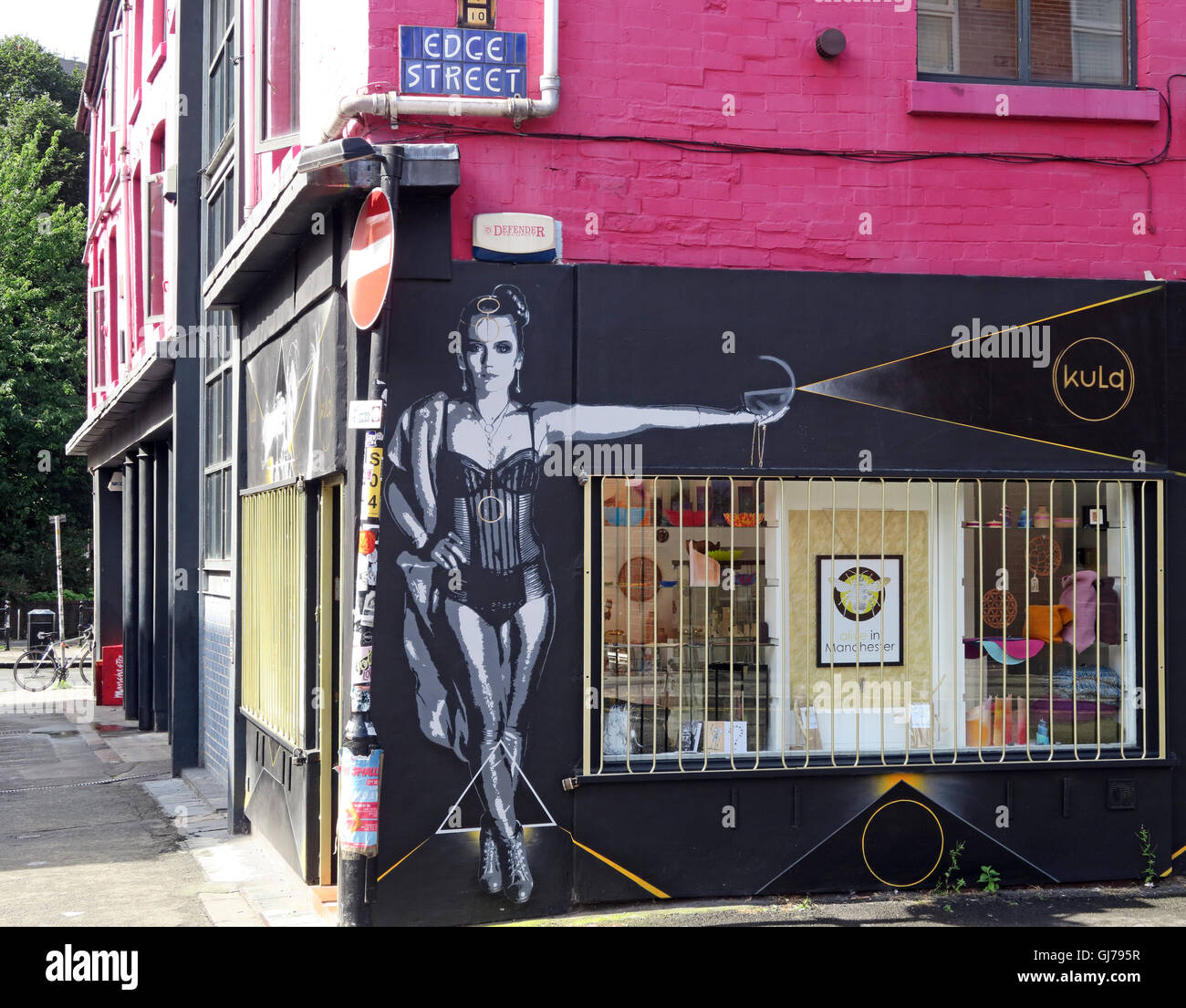
Image details
Contributor:
Tony SmithImage ID:
GJ795RFile size:
48.7 MB (2.3 MB Compressed download)Releases:
Model - no | Property - noDo I need a release?Dimensions:
4668 x 3648 px | 39.5 x 30.9 cm | 15.6 x 12.2 inches | 300dpiDate taken:
9 August 2016More information:
. An identifiable period record of the recorded location in 2016, retaining practical detail and local context that distinguish documentary photography from a generic illustration. The subject captured here is Edge Street, Northern Quarter, artwork of a woman, Manchester, North West England, UK, M4 1HW. Further facets of the scene include temporary artwork, regional identity, visual street culture, street-level design, changing land use, urban graphics, urban artwork, graffiti heritage, social history, visual archive, mural culture, creative district, documentary photography, and community identity. The wider contemporary story combines gentrification, tourism and how regeneration can support and displace informal culture at the same time. The image fixes signage and branding within the recorded location at one identifiable point, providing a benchmark against changed technology. The surrounding story also includes archival record, public art, creative placemaking, period detail, contemporary mural, public-realm art, contemporary social history, and public realm. The combination of woman, Quarter, Northern, Manchester, and artwork anchors the frame to a recognisable activity, place or moment. For the recorded location, the photograph contributes to a cumulative visual history in which changes in use, signs, access and appearance can be traced over time. Its period value extends to gentrification and how regeneration can support and displace informal culture at the same time as part of the longer story of the recorded location. The location additionally provides evidence of gentrification and how temporary street art becomes an important visual archive when considered against later change at the recorded location. A further contemporary connection is regeneration and how regeneration can support and displace informal culture at the same time without losing the local specificity of the recorded location.

