
Bridges at Glasgow Central taking trains over the Clyde river, Scotland, UK
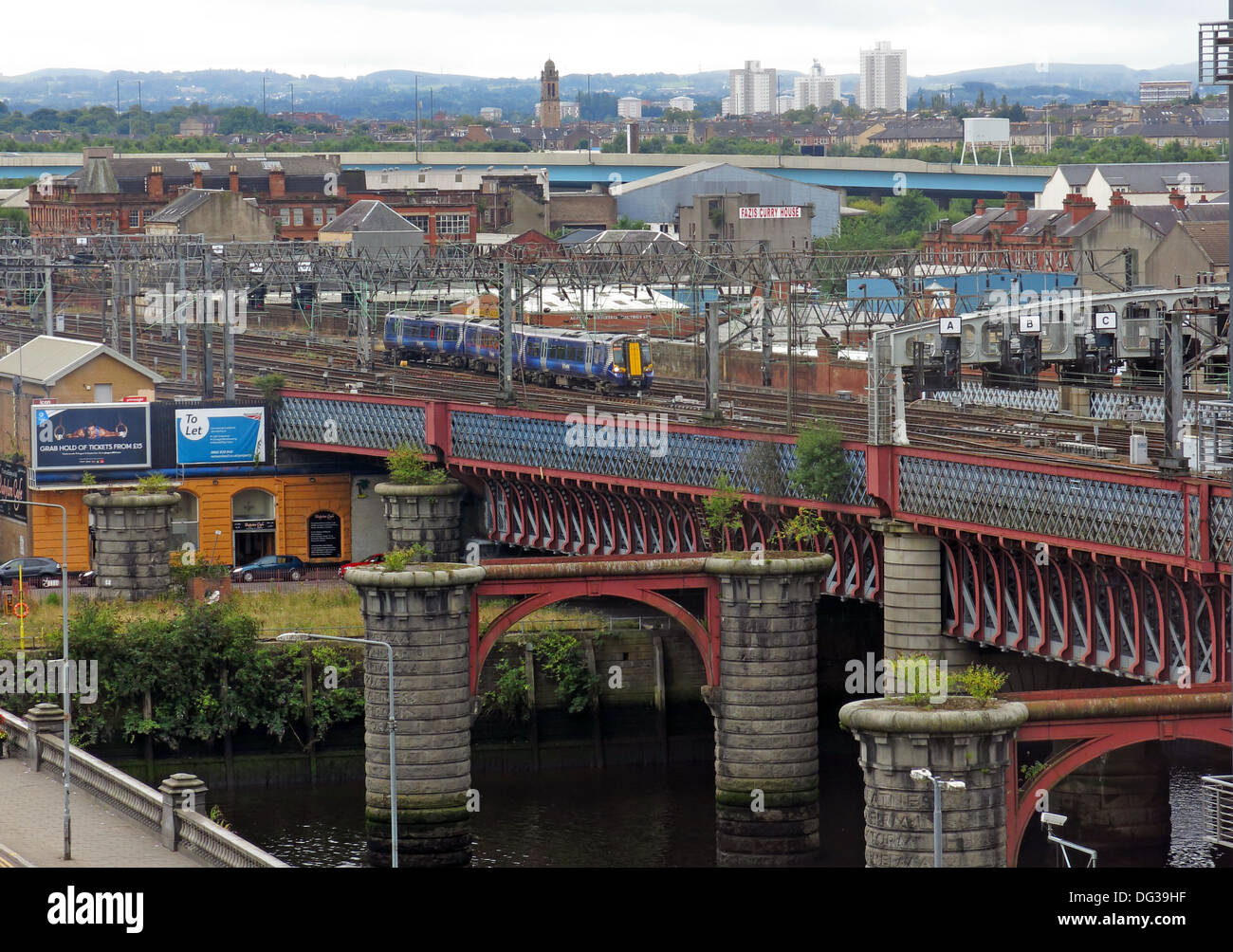
Image details
Contributor:
Tony SmithImage ID:
DG39HFFile size:
25.2 MB (1.5 MB Compressed download)Releases:
Model - no | Property - noDo I need a release?Dimensions:
3536 x 2488 px | 29.9 x 21.1 cm | 11.8 x 8.3 inches | 300dpiDate taken:
29 August 2013Location:
Glasgow,Scotland, UKMore information:
. Bridges at Glasgow Central taking trains over the Clyde river, Scotland, UK. Photographed at Glasgow, Scotland, UK. The photograph was taken on 29 August 2013. This editorial stock image documents the subject as it appeared at that time, preserving a clear record of the place, its appearance and the everyday details surrounding it. The scene is closely associated with Bridges, Glasgow Central, taking, trains, Clyde, station, Victorian, WCML, Clydeside and rail, adding specific subject detail and useful search context without losing the documentary focus on the main subject. The scene has strong relevance to railway travel, public transport, passenger infrastructure and the everyday operation of Britain's rail network. It can illustrate editorial stories about stations, train journeys, commuting, regional connectivity, rail investment, rolling stock, freight, signals, platforms, accessibility and the relationship between railways and the places they serve. Visible railway furniture, signs, tracks, platforms, trains, signals or station buildings help place the photograph firmly in the practical environment experienced by passengers and railway staff. As a dated documentary image it also offers a useful record of transport infrastructure, branding and passenger facilities at the time the photograph was made. Search themes include British rail travel, railway stations, passenger journeys, tracks, platforms, signals, rolling stock, freight, regional connectivity and transport infrastructure. The scene is particularly useful for illustrating how railway facilities, signs and operational surroundings looked at a known point in time. The combination of a named subject, precise location and capture date gives the image particular value to editors who need a real, identifiable place rather than a generic illustrative photograph. The view is firmly rooted in a real location rather than a constructed studio setting.

