
Bernards India Pale Ale sign at the Oxford Bar is a public house situated on Young Street, in the New Town of Edinburgh
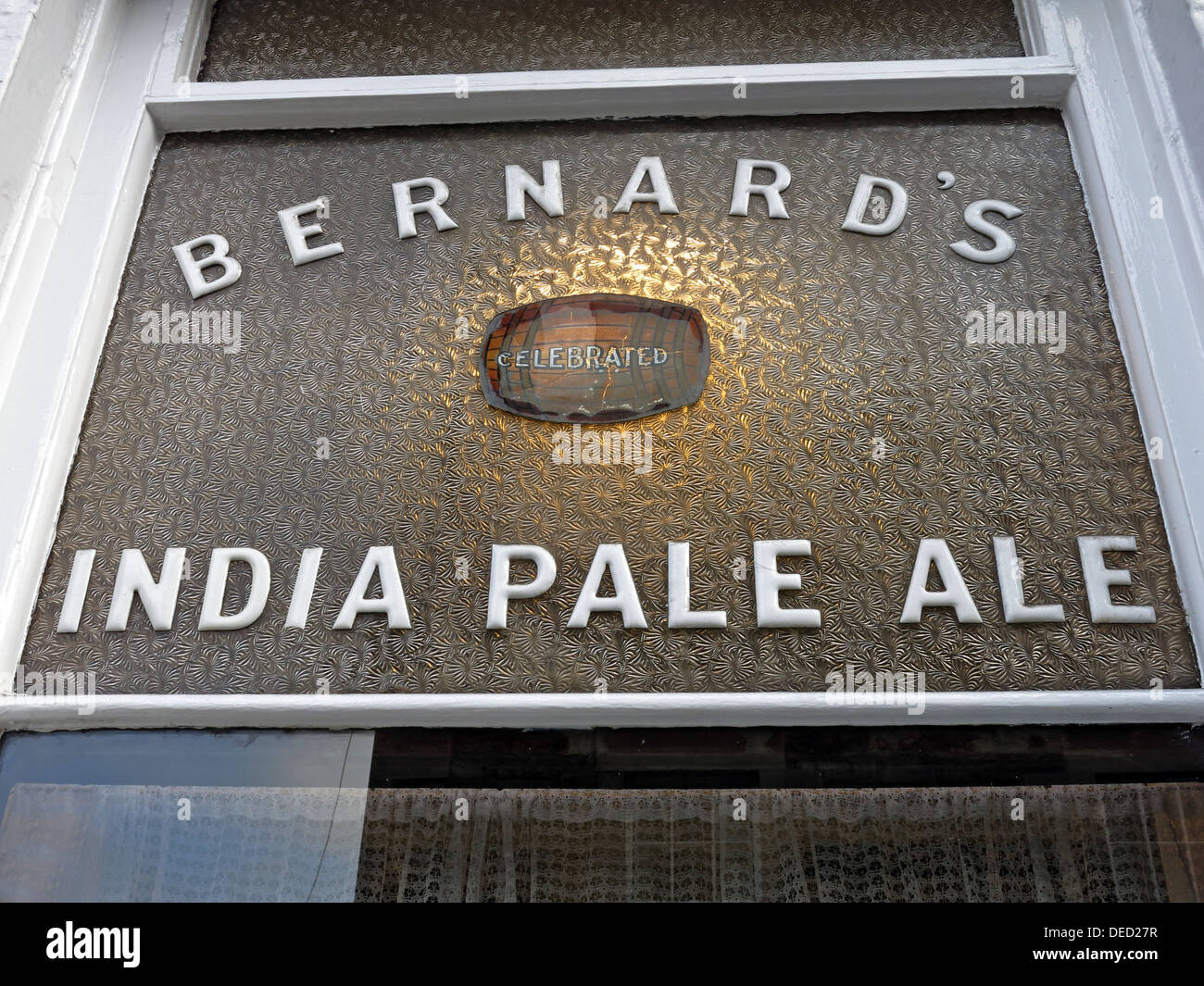
Image details
Contributor:
Tony SmithImage ID:
DED27RFile size:
34.3 MB (2.1 MB Compressed download)Releases:
Model - no | Property - noDo I need a release?Dimensions:
4000 x 3000 px | 33.9 x 25.4 cm | 13.3 x 10 inches | 300dpiDate taken:
26 August 2013Location:
The Oxford Bar, 8 Young Street, Edinburgh EH2 4JBMore information:
. Bernards India Pale Ale sign at the Oxford Bar is a public house situated on Young Street, in the New Town of Edinburgh. Photographed on 26 August 2013. The recorded location is The Oxford Bar, 8 Young Street, Edinburgh EH2 4JB. The modest Oxford Bar is a public house situated on Young Street, in the New Town of Edinburgh, Scotland. Inspector Rebus's local from the Ian rankin books. A super secret tourist attraction for first time visitors to the city. The Oxford Bar in Edinburgh's New Town is a small, traditional public house with a long history on Young Street and a Category B listed interior. It became internationally known through Ian Rankin's Inspector Rebus novels, in which the fictional detective drinks there. The literary association has made an otherwise understated local pub part of Edinburgh's crime-fiction tourism, while the surviving compartmentalised bar layout preserves an older form of Scottish pub interior. The wider historical story is that pub buildings and signs offer a useful record of the licensed trade, from traditional alehouses and brewery estates to contemporary hospitality businesses; They are also part of the story of changing high streets, nightlife, real ale, cask beer and the survival or reuse of historic premises. From a heritage perspective, urban street scenes capture the cumulative effect of planning, architecture, transport, retail and public space; Shopfronts, signs, street furniture and pedestrians can date an image precisely and show how a district changes between periods of investment, decline and regeneration. In the longer view, street signs, shop fascias, notices and inscriptions combine practical communication with graphic design; Typefaces, colours and wording can identify an era, organisation or local custom, making close photographs valuable for social, transport and commercial history. Additional natural-language search terms include licensed premises, hostelry, bar trade, cask ale, and beer culture.

