
Panorama of Canongate Kirk Church interior,153 Canongate, Edinburgh, Midlothian EH8 8BN
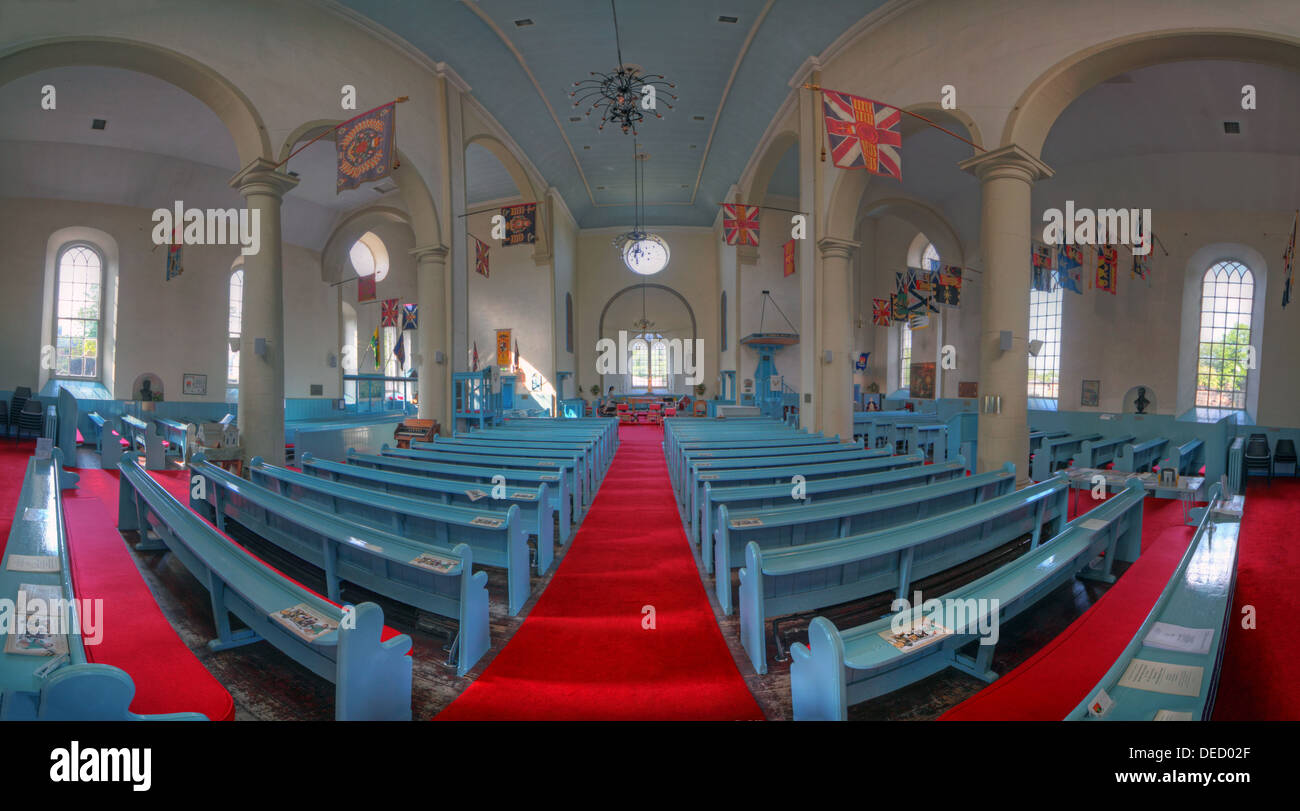
Image details
Contributor:
Tony SmithImage ID:
DED02FFile size:
70.6 MB (2.2 MB Compressed download)Releases:
Model - no | Property - noDo I need a release?Dimensions:
6669 x 3699 px | 56.5 x 31.3 cm | 22.2 x 12.3 inches | 300dpiDate taken:
26 August 2013Location:
153 Canongate, Edinburgh, Midlothian EH8 8BN,Scotland,UKMore information:
. Panorama of Canongate Kirk Church interior, 153 Canongate, Edinburgh, Midlothian EH8 8BN. Photographed on 26 August 2013. The recorded location is 153 Canongate, Edinburgh, Midlothian EH8 8BN, Scotland, UK. The Kirk of the Canongate, or Canongate Kirk, serves the Parish of Canongate in Edinburgh's Old Town, in Scotland. . It is a congregation of the Church of Scotland. The parish includes the Palace of Holyroodhouse and the Scottish Parliament. Canongate Kirk was built between 1688 and 1691 after the congregation was displaced from Holyrood Abbey. The distinctive Dutch-gabled church serves the Canongate parish at the lower end of Edinburgh's Royal Mile and has longstanding links with Holyroodhouse and the military. Its interior, monuments, organ and stained glass sit within one of Scotland's most historically dense streetscapes. From a heritage perspective, parish churches and cathedrals are among Britain's richest sources of architectural and social history; Medieval fabric, Victorian restoration, monuments, stained glass, organs, altars and inscriptions can coexist in a single building, reflecting generations of worship and local patronage. In the longer view, historic interiors combine architecture with material culture; Furniture, clocks, silverware, screens, organs and decorative schemes can show craftsmanship, status and institutional use in ways that a façade alone cannot convey. The wider historical story is that landscape photographs record more than scenery: buildings, vegetation, weather, transport and land use combine to show how a place appeared at a particular moment; Repeated views can later become valuable evidence of development, environmental change and shifting patterns of use. As of 2026, many historic churches face the practical challenge of maintaining listed fabric while remaining active community buildings, visitor attractions and venues for worship, music and local events; Images of their interiors and memorials therefore serve.

