
Bluthner Piano detail 37400, keys, mechanism, Leipzig, Germany
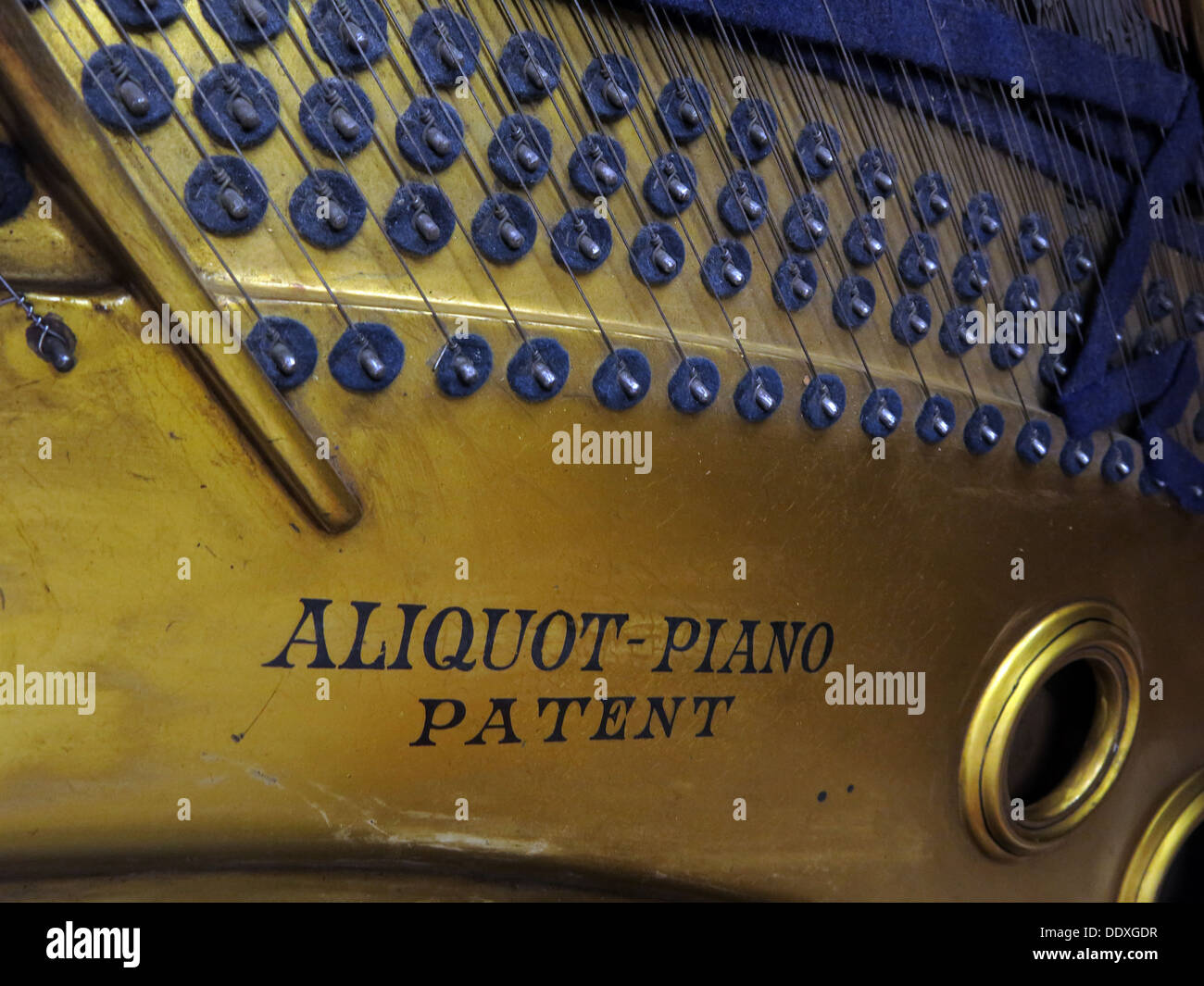
Image details
Contributor:
Tony SmithImage ID:
DDXGDRFile size:
34.3 MB (1.3 MB Compressed download)Releases:
Model - no | Property - noDo I need a release?Dimensions:
4000 x 3000 px | 33.9 x 25.4 cm | 13.3 x 10 inches | 300dpiDate taken:
6 September 2013More information:
. Bluthner Piano detail 37400, keys, mechanism, Leipzig, Germany. The photograph was taken on 06 September 2013. This editorial stock image documents the subject as it appeared at that time, preserving a clear record of the place, its appearance and the everyday details surrounding it. The scene is closely associated with Aliquot-Piano Patent, Aliquot, Leipzig, Piano, Bluthner, Bluthner Piano, mechanism, piano repair, repairs and gold, adding specific subject detail and useful search context without losing the documentary focus on the main subject. The photograph is a documentary record of an identifiable subject and location, useful for editorial, archive, travel, local-history and social-history picture research. It can support features about everyday life, place, public space, local identity, tourism, consumer behaviour and the changing appearance of towns, cities and communities. Visible objects, signs, buildings and environmental details provide contextual clues that make the image useful beyond its immediate subject. As a dated stock photograph it also offers a reference point for later comparison, especially where businesses, streets, public services or local surroundings subsequently change. Search themes include documentary photography, local history, everyday life, place, public space, travel, community identity, social history and changing surroundings. Its specificity makes it more useful than a generic concept image when an editor needs a recognisable real-world subject and setting. The combination of a named subject, precise location and capture date gives the image particular value to editors who need a real, identifiable place rather than a generic illustrative photograph. It can be used in newspapers, magazines, books, websites, documentaries, heritage projects and retrospective features where geographical accuracy and period detail matter. The view is firmly rooted in a real location rather than a constructed studio setting.

