
Old jug mould from Longton Stoke-On-Trent Great Britain showing potteries heritage at the Gladstone Pottery Museum
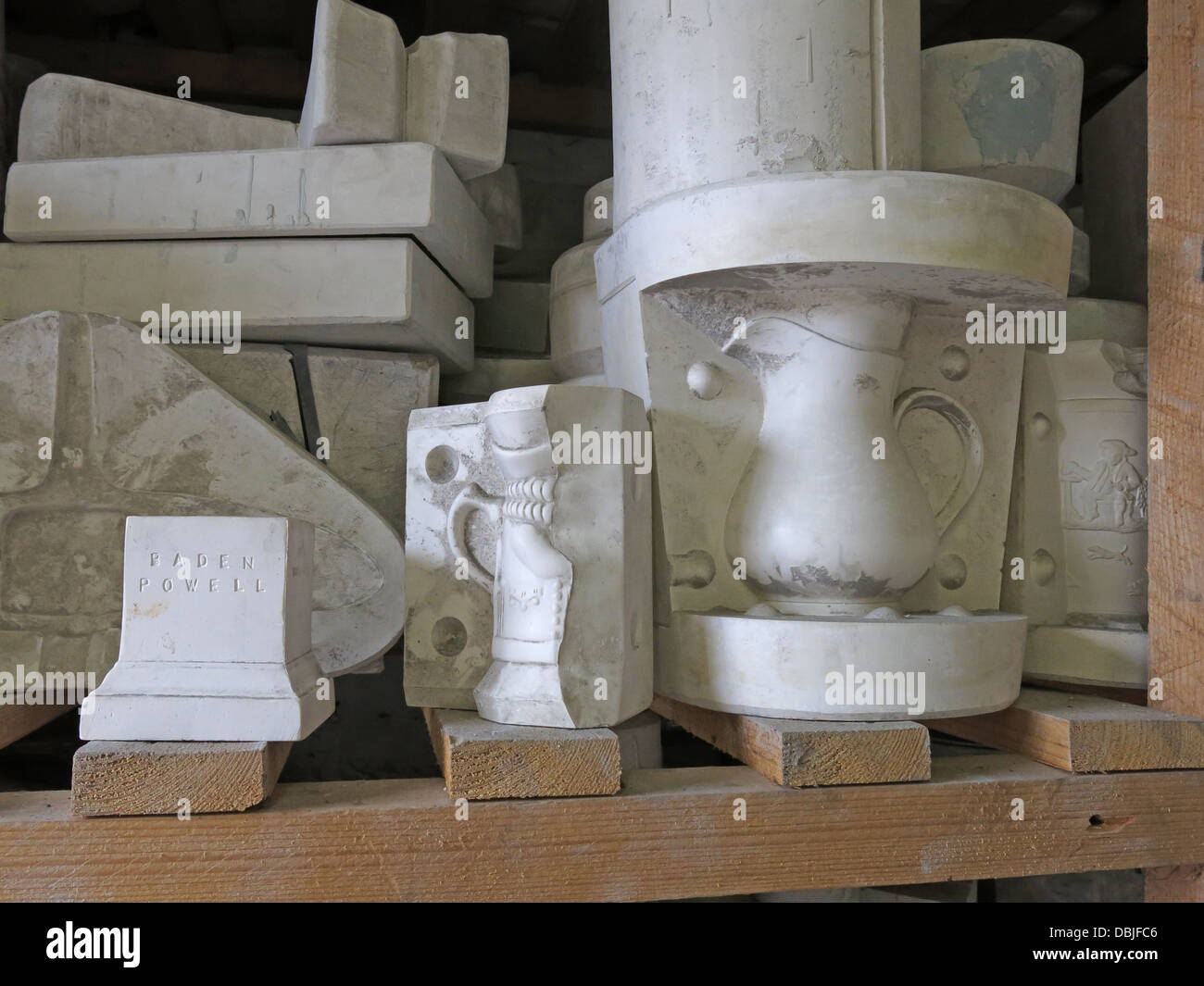
Image details
Contributor:
Tony SmithImage ID:
DBJFC6File size:
34.3 MB (1.1 MB Compressed download)Releases:
Model - no | Property - noDo I need a release?Dimensions:
4000 x 3000 px | 33.9 x 25.4 cm | 13.3 x 10 inches | 300dpiDate taken:
27 July 2013Location:
Uttoxeter Road, Longton, Stoke-on-Trent, Staffordshire, ST3 1PQMore information:
. Old jug mould from Longton Stoke-On-Trent Great Britain showing potteries heritage at the Gladstone Pottery Museum. Photographed on 27 July 2013. The recorded location is Uttoxeter Road, Longton, Stoke-on-Trent, Staffordshire, ST3 1PQ. Gladstone Pottery Museum preserves a complete former pottery works in Longton, one of the six towns of Stoke-on-Trent. Bottle ovens, workshops, mould rooms and surviving equipment explain the labour-intensive processes behind the Staffordshire ceramics industry, which made the Potteries internationally famous. The site is particularly valuable because so many similar potbanks and kilns disappeared during industrial restructuring and later redevelopment. Looking at the subject's development, industrial buildings and machinery preserve the material history of manufacturing Britain: steam power, engineering, mining, textiles, ceramics and mass production transformed both the economy and the physical character of towns; Surviving equipment is now studied as industrial archaeology and often conserved within museums or regenerated sites. From a heritage perspective, heritage photography is particularly useful where buildings or objects have changed function; A former workplace, shop, transport structure or piece of equipment can become a museum object or landmark, linking everyday history with conservation and interpretation. In historical terms, visitor attractions based on historic houses, industrial sites and specialist collections combine conservation with education; Exhibits can change over time, so photographs also document how institutions presented their collections at a particular date. For the 2026 context, former industrial sites continue to be repurposed as housing, offices, cultural attractions and heritage venues; That makes historic machinery and surviving industrial fabric relevant both to the story of deindustrialisation and to current regeneration of northern English and Midlands towns.

