
The old Winkhill Mill Co in Stoke-On-Trent
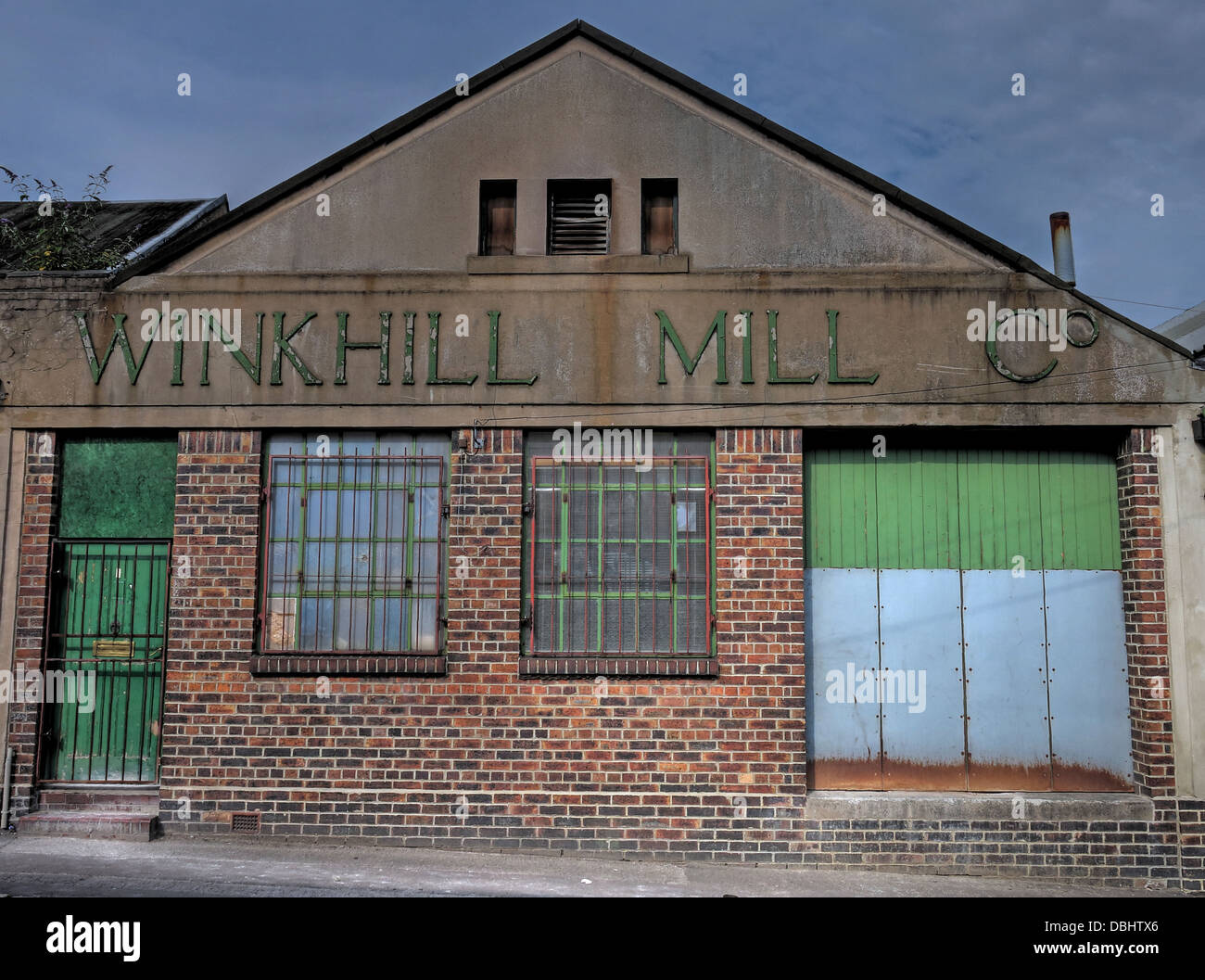
Image details
Contributor:
Tony SmithImage ID:
DBHTX6File size:
30.1 MB (1.4 MB Compressed download)Releases:
Model - no | Property - noDo I need a release?Dimensions:
3759 x 2798 px | 31.8 x 23.7 cm | 12.5 x 9.3 inches | 300dpiDate taken:
27 July 2013Location:
Swan St, Stoke-On-Trent, Staffordshire, England, UKMore information:
. The old Winkhill Mill Co in Stoke-On-Trent. Photographed on 27 July 2013. The recorded location is Swan St, Stoke-On-Trent, Staffordshire, England, UK. The old Winkhill Mill Co building that used to make cardboard boxes in Stoke-On-Trent, Staffs, UK. Historically, factories, mills, engines and workshops record the technologies and labour that powered Britain's industrial expansion; Their machinery, inscriptions and specialist buildings are valuable evidence of engineering practice, working conditions, regional industries and the later shift from heavy industry to heritage, housing or new commercial uses. The wider historical story is that earlier buildings and artefacts provide tangible evidence that written records cannot fully replace; Their wear, construction, signage and setting help researchers understand local history, design, industry and social life across different periods. In 2026, industrial heritage is increasingly tied to regeneration, tourism, conservation and skills education, particularly in former manufacturing towns seeking new uses for historic sites; Preserved machinery and redundant industrial buildings also provide evidence for debates about adaptive reuse and local identity. In the present 2026 context, heritage remains economically and culturally significant through tourism, education and place-making, while the cost of maintaining historic fabric creates continuing debate about conservation and reuse. The historical context is that industrial heritage links machinery and architecture with the lives of workers who operated mines, mills, potbanks, foundries and factories; As production declined or modernised, many sites were demolished, adapted or preserved, making photographs an important record of manufacturing landscapes and engineering culture. Alternative search wording includes industrial archaeology, engineering history, historic machinery, factory, labour history, working life, and mechanical engineering.

