
A Grid or man hole marked with the name of Warrington Cheshire , England UK
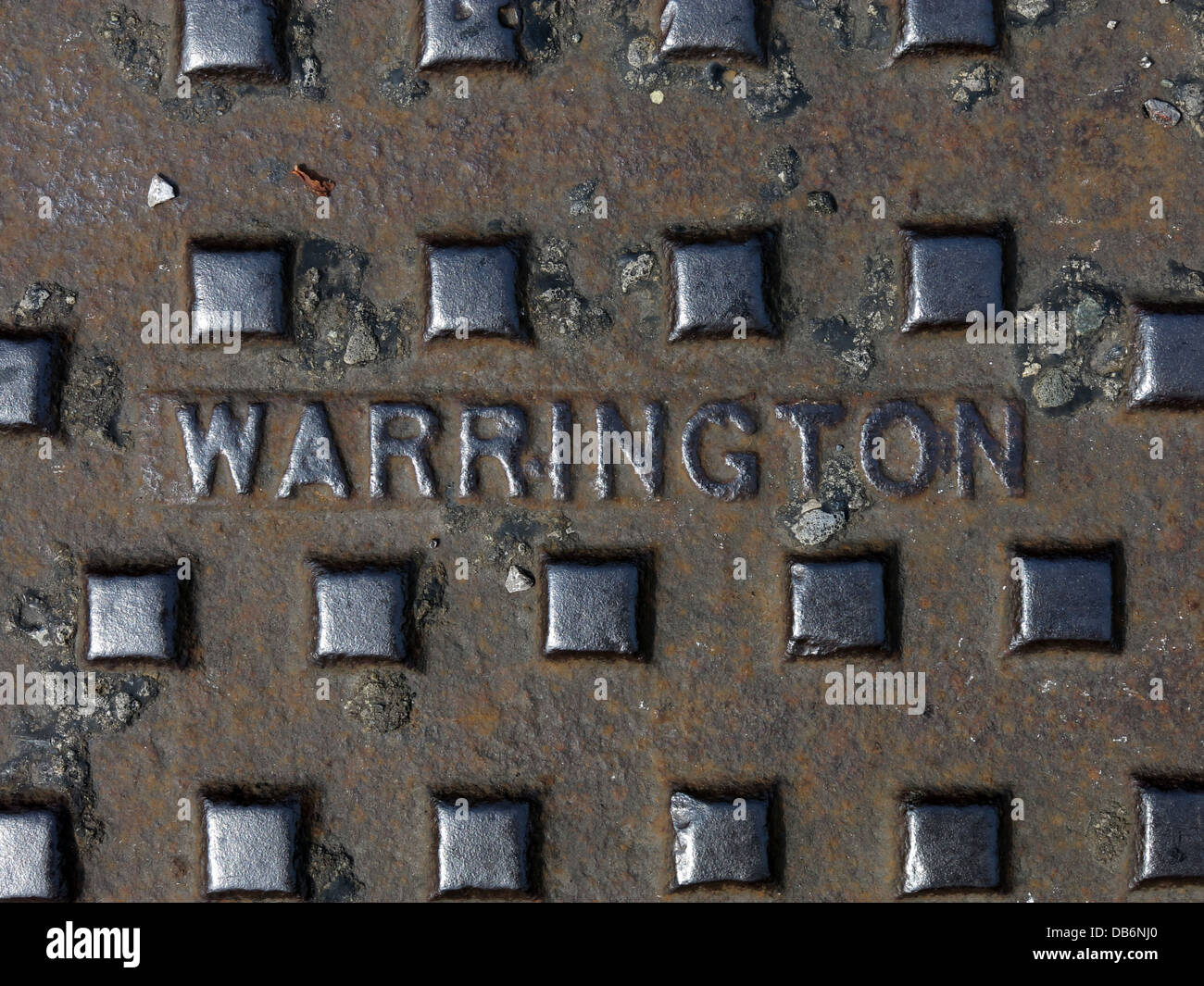
Image details
Contributor:
Tony SmithImage ID:
DB6NJ0File size:
34.3 MB (2 MB Compressed download)Releases:
Model - no | Property - noDo I need a release?Dimensions:
4000 x 3000 px | 33.9 x 25.4 cm | 13.3 x 10 inches | 300dpiDate taken:
22 July 2013Location:
Warrington, Cheshire, England, UK WA4 2PLMore information:
. A Grid or man hole marked with the name of Warrington Cheshire , England UK. Photographed on 22 July 2013. The recorded location is Warrington, Cheshire, England, UK WA4 2PL. In the longer view, cast-iron manhole and utility covers are easily overlooked pieces of municipal engineering, yet maker's names and local authority markings can identify former companies, public bodies and infrastructure systems; They survive traffic and street resurfacing long after nearby businesses disappear. From a heritage perspective, urban street scenes capture the cumulative effect of planning, architecture, transport, retail and public space; Shopfronts, signs, street furniture and pedestrians can date an image precisely and show how a district changes between periods of investment, decline and regeneration. Current 2026 relevance comes from the fact that drainage capacity and maintenance of underground networks are increasingly visible issues as heavier rainfall, road renewal and new fibre or energy infrastructure compete for space below the street; Existing ironwork remains part of that working system. As of 2026, current regeneration programmes make older urban photographs particularly valuable; They allow comparison of high streets, underpasses, shopping areas and public spaces before redevelopment, while also documenting local identity that may not survive physical change. In historical terms, street-level ironwork forms part of the hidden infrastructure of towns; Manhole covers provide access to sewers, drains, telecommunications and other services, while foundry names can preserve evidence of local engineering firms. From a heritage perspective, utility covers combine practical engineering with local identity; Their lettering, patterns and wear document manufacturing, municipal services and the development of underground networks beneath ordinary streets. Further editorial search language includes street ironwork, underground services, and cast iron.

