
Help point train information at Slateford Scotrail railway station near Edinburgh an un-manned station
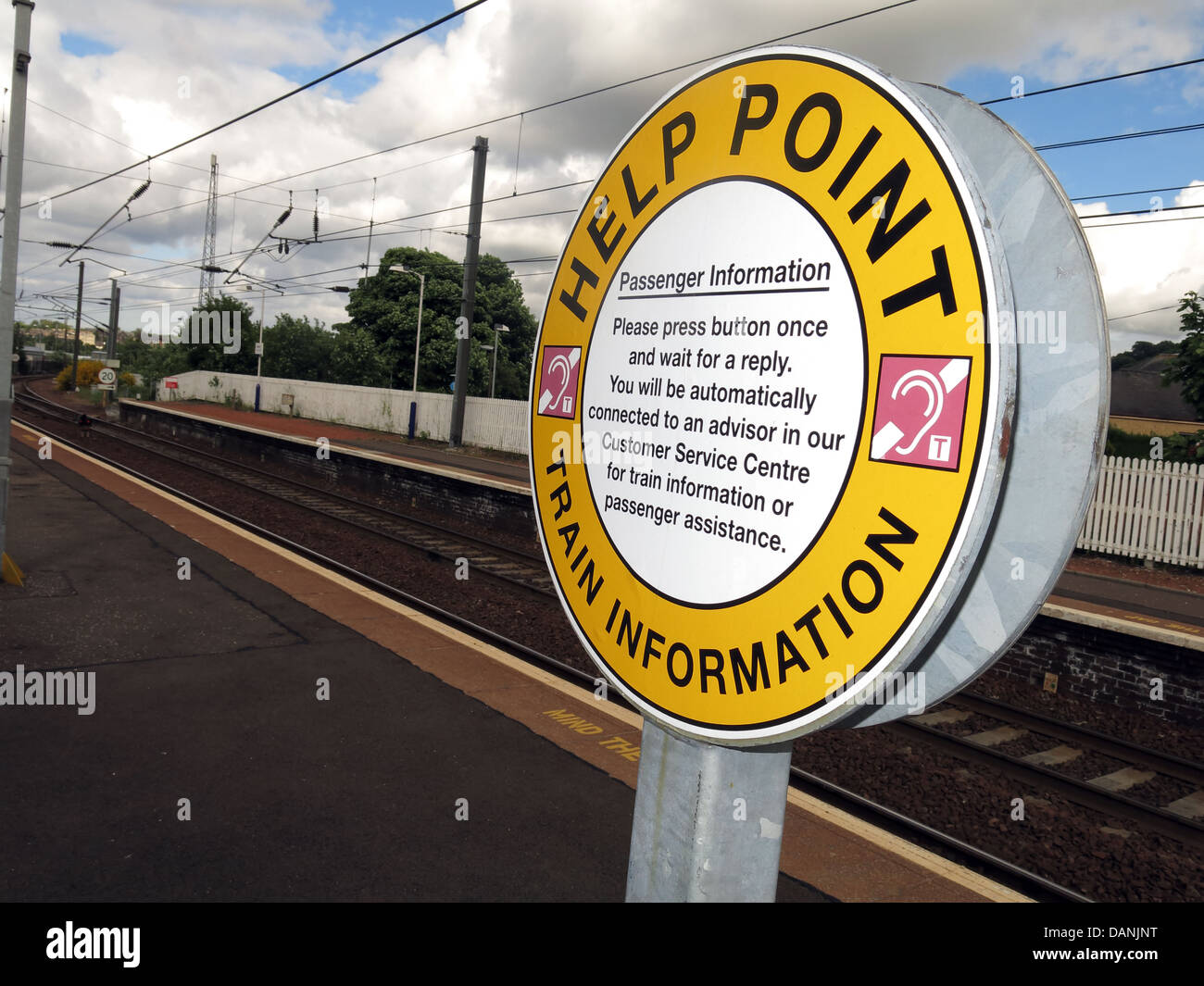
Image details
Contributor:
Tony SmithImage ID:
DANJNTFile size:
34.3 MB (1.2 MB Compressed download)Releases:
Model - no | Property - noDo I need a release?Dimensions:
4000 x 3000 px | 33.9 x 25.4 cm | 13.3 x 10 inches | 300dpiDate taken:
12 June 2013Location:
Slateford, Edinburgh, Scotland, UK EH14 1BXMore information:
. Help point train information at Slateford Scotrail railway station near Edinburgh an un-manned station. Photographed on 12 June 2013. The recorded location is Slateford, Edinburgh, Scotland, UK EH14 1BX. In the longer view, britain's railways reshaped towns, industry and passenger travel from the nineteenth century onwards, creating a dense network of stations, goods yards, signalling infrastructure and long-distance routes; Surviving buildings, signs and operating equipment now document both railway heritage and continuing public transport. From a heritage perspective, railway self-service technology marked a shift from staffed ticket offices towards machines, intercoms and remote assistance; It changed the passenger experience while creating new accessibility challenges for people who needed human help. Current 2026 relevance comes from the fact that rail policy is especially topical: the Railways Bill is progressing through Parliament and is intended to establish Great British Railways as the publicly owned directing mind for track, stations, timetables and passenger services; Older branded trains and station scenes therefore gain additional documentary value during another major restructuring of the industry. As of 2026, passenger assistance, accessibility and ticket retail continue to be central issues in rail reform; As the Great British Railways model develops, older help points and self-service machines offer useful evidence of how the industry previously tried to serve unstaffed stations. In historical terms, railway scenes connect industrial-age engineering with everyday passenger mobility; Station architecture, platforms, signal boxes, ticketing and rolling stock show how the network has evolved from steam and regional companies through British Rail, privatisation and today's increasingly digital passenger railway. Further subject-specific language includes rail transport, train service, rail infrastructure, and rail heritage.

