
Help point train information at Slateford Scotrail railway station near Edinburgh an un-manned station
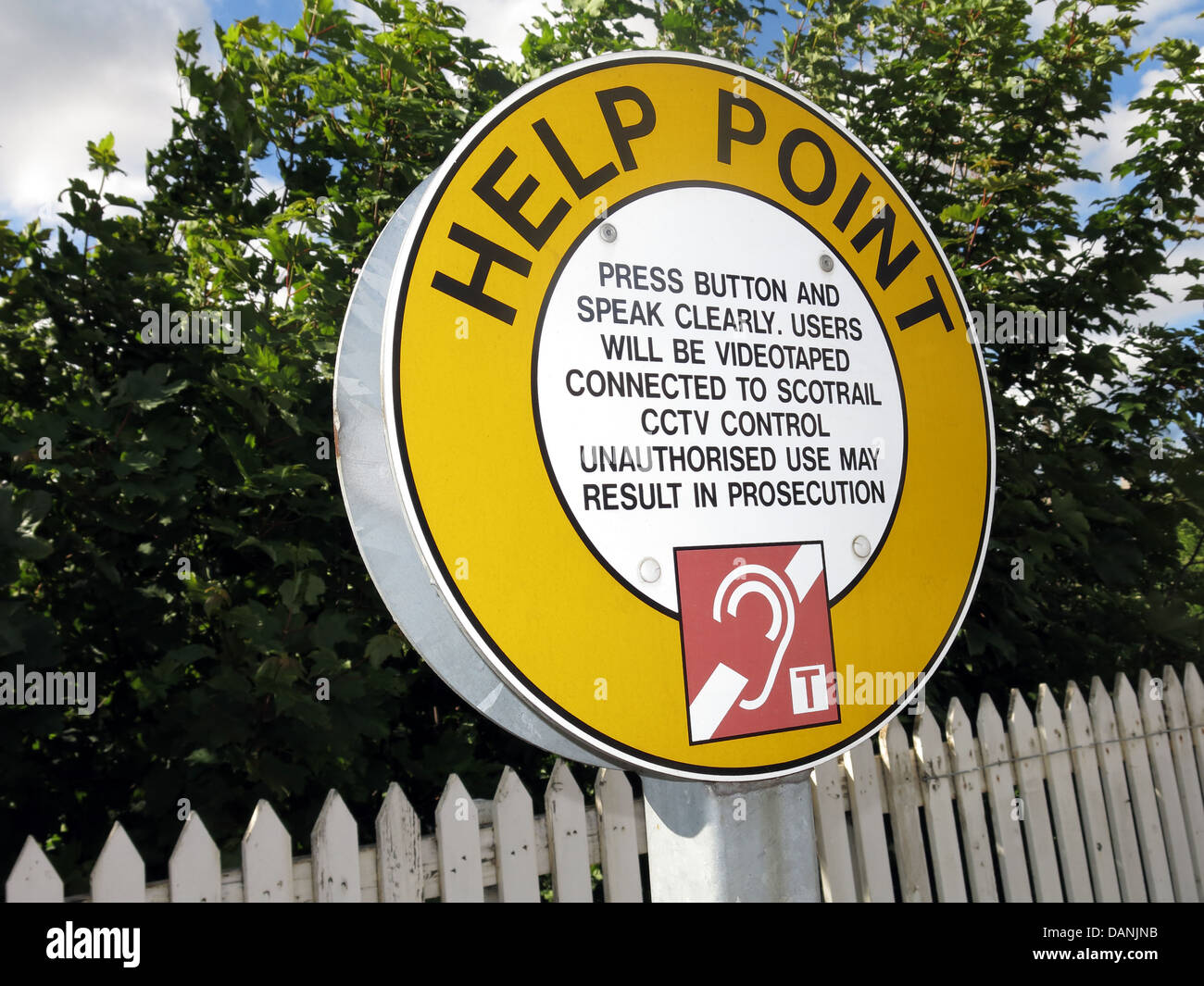
Image details
Contributor:
Tony SmithImage ID:
DANJNBFile size:
34.3 MB (1.3 MB Compressed download)Releases:
Model - no | Property - noDo I need a release?Dimensions:
4000 x 3000 px | 33.9 x 25.4 cm | 13.3 x 10 inches | 300dpiDate taken:
12 June 2013Location:
Slateford, Edinburgh, Scotland, UK EH14 1BXMore information:
. Help point train information at Slateford Scotrail railway station near Edinburgh an un-manned station. Photographed on 12 June 2013. The recorded location is Slateford, Edinburgh, Scotland, UK EH14 1BX. As background, railway scenes connect industrial-age engineering with everyday passenger mobility; Station architecture, platforms, signal boxes, ticketing and rolling stock show how the network has evolved from steam and regional companies through British Rail, privatisation and today's increasingly digital passenger railway. Looking at the subject's development, help points and ticket machines are part of the digitalisation of station operations, replacing some face-to-face functions with remote systems while leaving passengers dependent on working equipment and clear instructions. Against the 2026 backdrop, britain's railway is in another period of structural change as legislation for Great British Railways progresses, bringing infrastructure and passenger services into a more unified publicly owned model; Images of earlier operators, ticket machines and station branding help illustrate how quickly the passenger railway changes. For the 2026 context, railway reform keeps attention on passenger information and accessibility; Images of unstaffed stations, ticket machines and help points can illustrate the long-running balance between efficiency, automation and personal assistance. From a heritage perspective, stations and railway infrastructure are both working transport assets and historical records; Their changing operators, signage, ticketing systems, rolling stock and architecture chart the development of British rail travel from the Victorian era to modern inter-city and commuter services. In 2026, railway reform keeps attention on passenger information and accessibility; Images of unstaffed stations, ticket machines and help points can illustrate the long-running balance between efficiency, automation and personal assistance.

