
Old Maroon Coal Mining Conciliation Scheme Guides
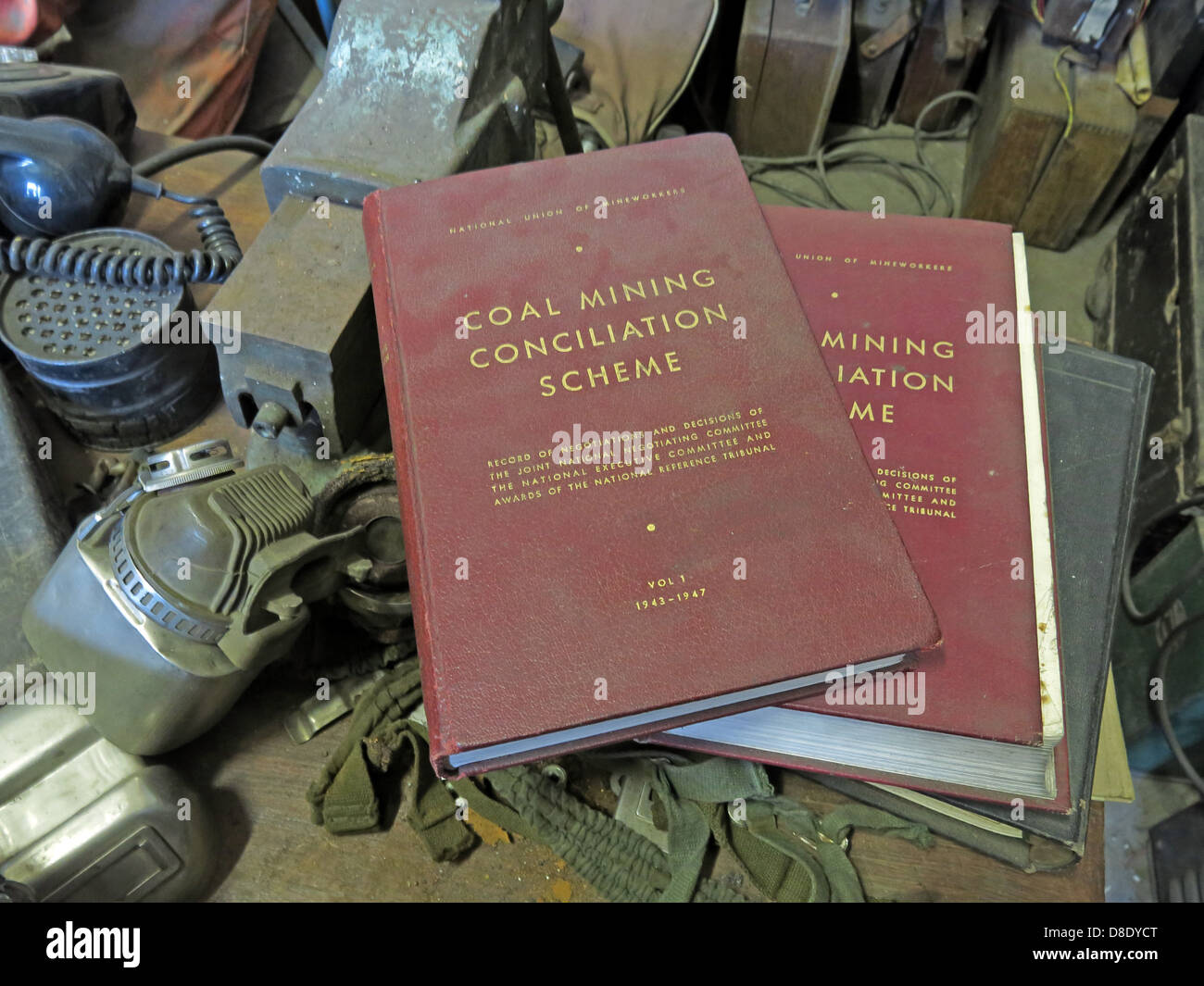
Image details
Contributor:
Tony SmithImage ID:
D8DYCTFile size:
34.3 MB (1.3 MB Compressed download)Releases:
Model - no | Property - noDo I need a release?Dimensions:
4000 x 3000 px | 33.9 x 25.4 cm | 13.3 x 10 inches | 300dpiDate taken:
12 May 2013Location:
Astley Green, Tyldesley, Manchester, Lancashire, UK M29 7JBMore information:
. Old Maroon Coal Mining Conciliation Scheme Guides. Photographed on 12 May 2013. The recorded location is Astley Green, Tyldesley, Manchester, Lancashire, UK M29 7JB. Astley Green preserves the last surviving headgear and engine house from the once extensive Lancashire coalfield in this part of Greater Manchester. The former colliery opened in the early twentieth century and later became a mining museum, retaining winding machinery, lamps, telephones, notices and other equipment that explains the highly organised underground working environment. Such artefacts record both engineering and the safety culture of an industry that shaped communities across Lancashire. As background, industrial heritage links machinery and architecture with the lives of workers who operated mines, mills, potbanks, foundries and factories; As production declined or modernised, many sites were demolished, adapted or preserved, making photographs an important record of manufacturing landscapes and engineering culture. In the longer view, historic objects and places gain meaning through survival; Materials, craftsmanship, inscriptions and later alterations can reveal how a property, machine or everyday item was made, used and valued, while preservation decisions show which parts of the past communities choose to retain. Against the 2026 backdrop, industrial heritage is increasingly tied to regeneration, tourism, conservation and skills education, particularly in former manufacturing towns seeking new uses for historic sites; Preserved machinery and redundant industrial buildings also offer evidence for debates about adaptive reuse and local identity. Current 2026 relevance comes from the fact that heritage remains economically and culturally significant through tourism, education and place-making, while the cost of maintaining historic fabric creates continuing debate about conservation and reuse.

