
Warrington Police Headquarters Building in red stonework, Cheshire Constabulary Force
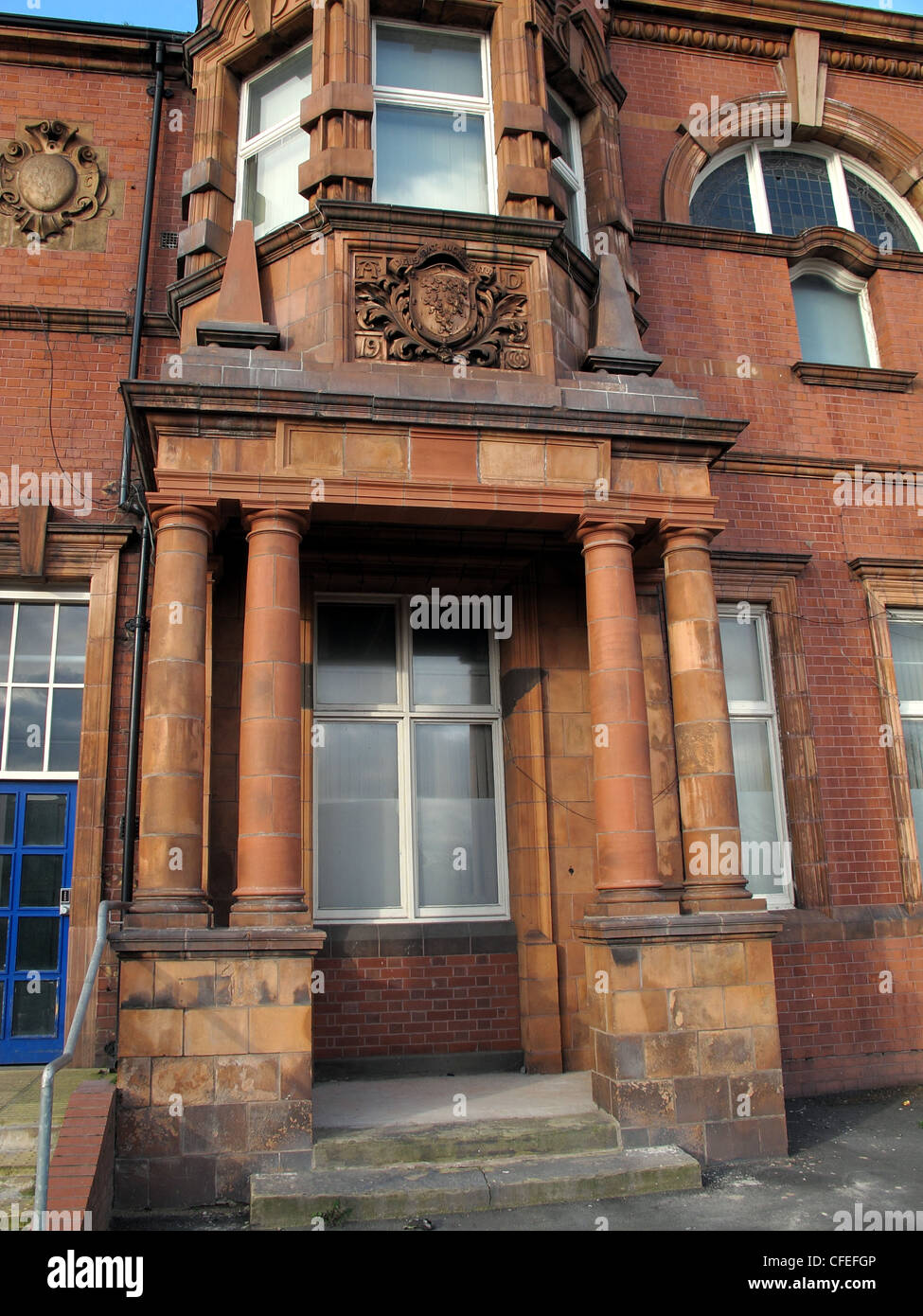
Image details
Contributor:
Tony SmithImage ID:
CFEFGPFile size:
28.5 MB (1.4 MB Compressed download)Releases:
Model - no | Property - noDo I need a release?Dimensions:
2735 x 3648 px | 23.2 x 30.9 cm | 9.1 x 12.2 inches | 300dpiDate taken:
10 March 2012Location:
Parker St, Bank Quay, Warrington, Cheshire, England, UKMore information:
. Warrington Police Headquarters Building in red stonework, Cheshire Constabulary Force. Photographed on 10 March 2012. The recorded location is Parker St, Bank Quay, Warrington, Cheshire, England, UK. From a heritage perspective, police signs, cones, stations and headquarters are visible parts of the infrastructure of public order; Temporary incident equipment can transform an ordinary road into a controlled scene, while permanent police buildings reflect changing approaches to custody, administration and community policing. The wider historical story is that historic and modern architecture can be read as a record of investment, planning and changing urban functions; Civic, commercial, industrial and residential structures each contribute to the character of a townscape, particularly where older structures are adapted rather than demolished. From a heritage perspective, museums and heritage attractions turn surviving objects and places into interpreted public history; Displays, reconstructed rooms and preserved machinery can place everyday artefacts within broader stories of work, domestic life, conflict, design and technological change. As of 2026, policing remains closely linked to debates about neighbourhood presence, road safety, emergency response and the use of technology; Images of incident cordons or police premises can illustrate the routine operational side of public safety without implying details beyond the photographed event. In the present 2026 context, current regeneration policy places growing emphasis on reusing established structures and strengthening town centres. historic façades, redundant offices and converted commercial properties are especially relevant to debates about conservation, viability and adaptive reuse. In the present 2026 context, heritage attractions increasingly combine physical collections with digital interpretation and events, but the authenticity of original objects and settings remains central to their appeal.

