
Milepost To Warrington 2 Miles, on A57 at Liverpool Road, Penketh, Cheshire, England UK
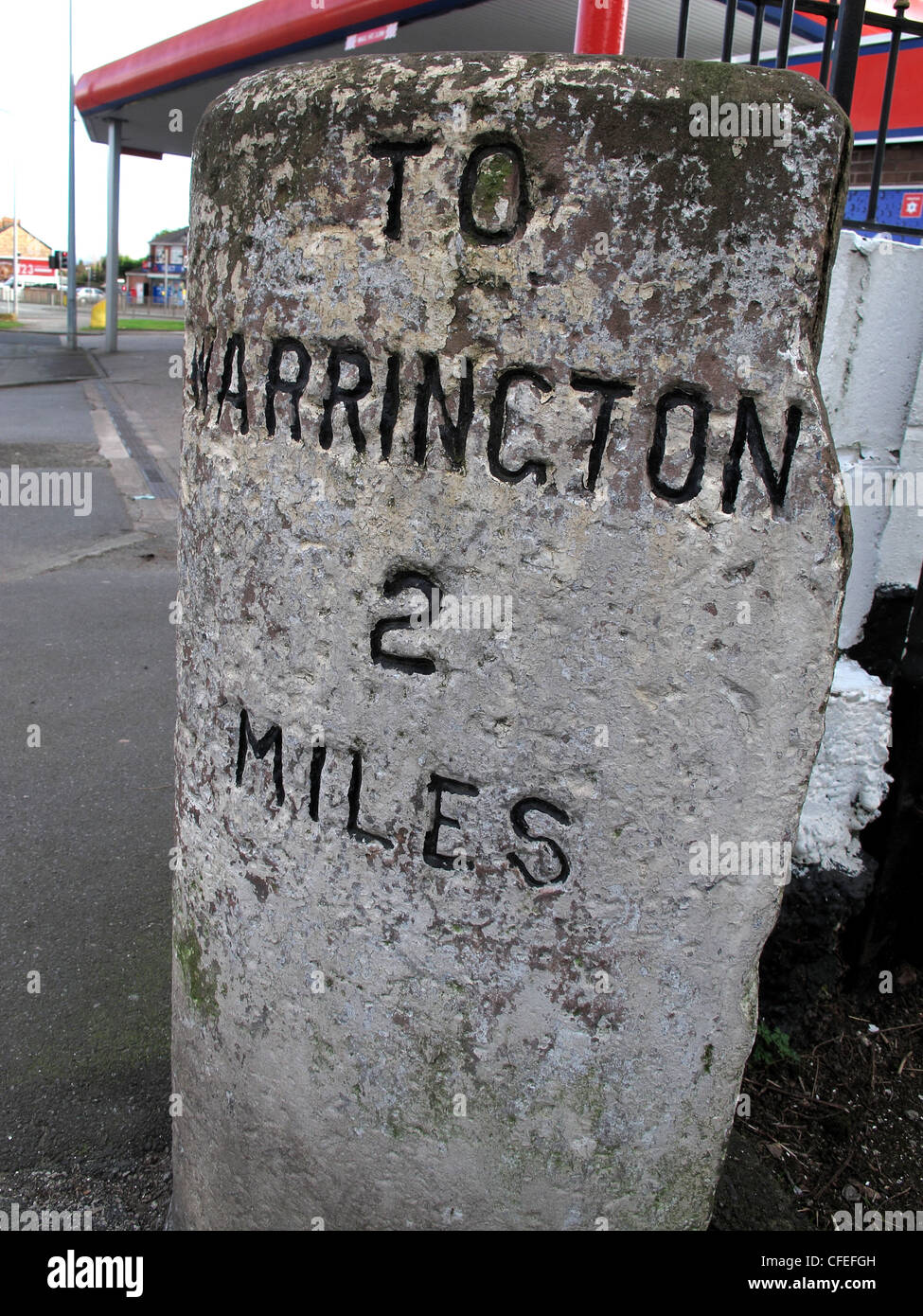
Image details
Contributor:
Tony SmithImage ID:
CFEFGHFile size:
28.5 MB (1.9 MB Compressed download)Releases:
Model - no | Property - noDo I need a release?Dimensions:
2735 x 3648 px | 23.2 x 30.9 cm | 9.1 x 12.2 inches | 300dpiDate taken:
10 March 2012Location:
A57, Liverpool Road, Penketh, Warrington, Cheshire, England, UKMore information:
. Milepost To Warrington 2 Miles, on A57 at Liverpool Road, Penketh, Cheshire, England UK. Photographed on 10 March 2012. The recorded location is A57, Liverpool Road, Penketh, Warrington, Cheshire, England, UK. Historically, road signs, mileposts, traffic systems and street furniture document the development of Britain's highway network from historic turnpikes and coaching roads to motorways and modern traffic management; Even everyday signs can become useful evidence of changing regulations, road design and local geography. In the longer view, heritage photography is particularly useful where structures or objects have changed function; A former workplace, shop, transport structure or piece of equipment can become a museum object or landmark, linking everyday history with conservation and interpretation. In 2026, road policy continues to focus on safety, congestion, emissions and the balance between private cars, buses, cycling and walking; Images of older traffic controls, signs and busy roads provide useful comparison with current debates about sustainable transport and street design. Current 2026 relevance comes from the fact that heritage remains economically and culturally significant through tourism, education and place-making, while the cost of maintaining historic fabric creates continuing debate about conservation and reuse. The historical context is that britain's road landscape has accumulated layers of transport history: old milestones and cast signs coexist with speed limits, parking controls, motorway infrastructure and electronic traffic management; Such details reveal how movement and road safety have been regulated over time. Current 2026 relevance comes from the fact that congestion, road safety and decarbonisation remain prominent transport issues; Historic signs, traffic jams and older road infrastructure therefore work both as location records and as evidence of how the road network and travel behaviour have changed.

