
Edirol concert recording bootlegging music recorder in a bootleggers hand
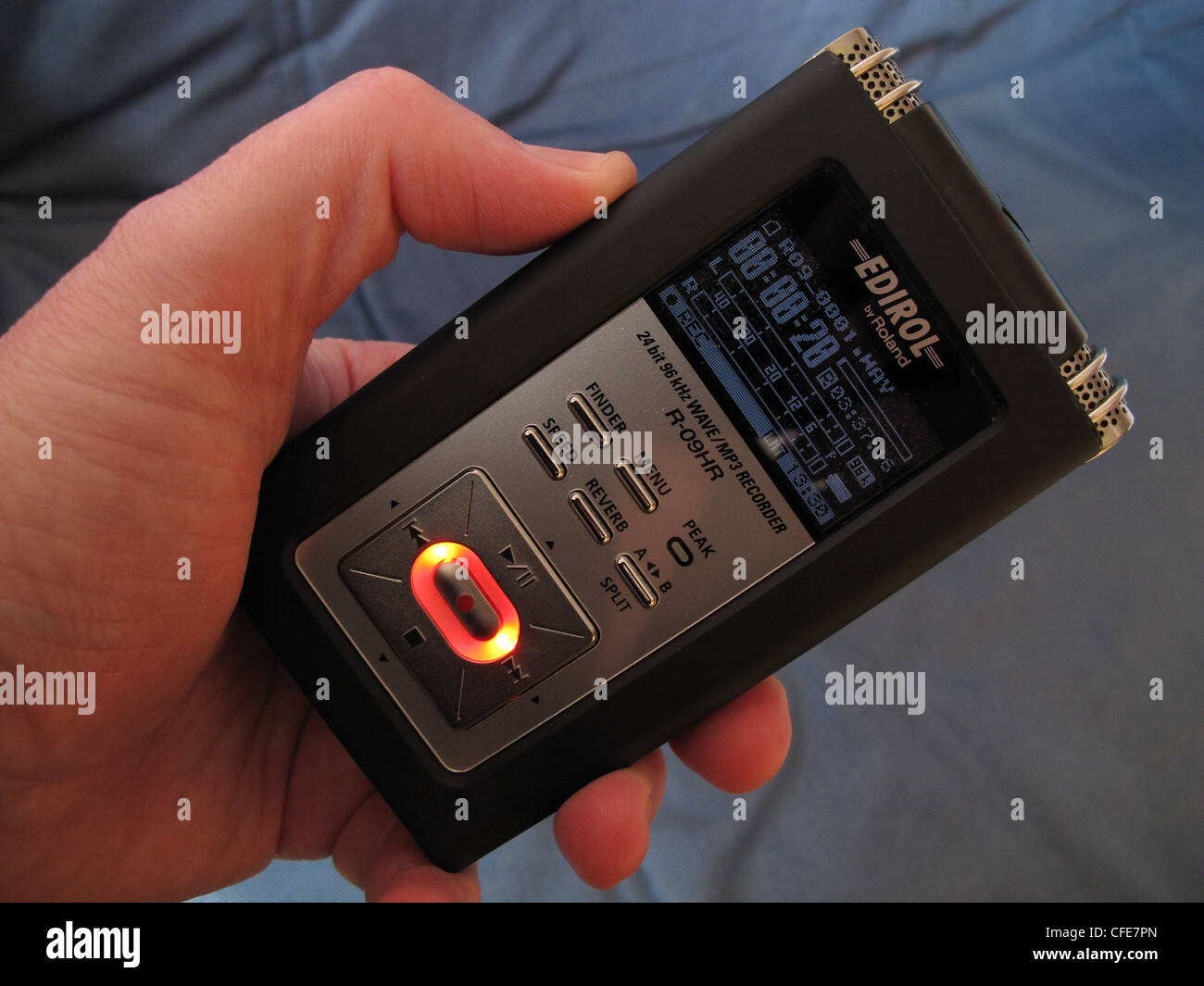
Image details
Contributor:
Tony SmithImage ID:
CFE7PNFile size:
28.5 MB (949.1 KB Compressed download)Releases:
Model - yes | Property - noDo I need a release?Dimensions:
3648 x 2735 px | 30.9 x 23.2 cm | 12.2 x 9.1 inches | 300dpiDate taken:
10 March 2012More information:
. Edirol concert recording bootlegging music recorder in a bootleggers hand. Photographed on 10 March 2012. Looking at the subject's development, music scenes are shaped by both performers and infrastructure, including rehearsal rooms, record labels, promoters, venues and audiences; Photographs of these details help document local cultural ecosystems that can be lost quickly through redevelopment or changing entertainment habits. In historical terms, technology objects become historical remarkably quickly; Telephones, calculators, cameras, valves, televisions and workplace machines chart successive shifts from mechanical and analogue systems to electronics, digital processing, smartphones and cloud-connected services. For the 2026 context, the economics of live music remain under scrutiny as independent venues face costs while audiences increasingly discover and consume music digitally; Historic tickets, venue exteriors and recording technology therefore provide a useful contrast with today's streaming-led music economy. During 2026, technology is dominated by connected devices, cloud services and rapid product cycles; Historic hardware therefore offers a useful counterpoint to contemporary debates about electronic waste, right-to-repair, data dependence and the speed with which once-common devices become obsolete. The wider historical story is that live music leaves a material trail through venues, tickets, posters, recording equipment and the buildings associated with bands and labels; These apparently everyday objects become cultural-history evidence as scenes, technologies and venues change or disappear. Historically, popular-music history is often preserved through ephemeral material: concert tickets, venue signage, record-company offices, flyers and amateur recordings; Such objects can connect a specific date and place with wider movements in rock, punk, post-punk and independent music.

