
Damsel Fly Damselflies (suborder Zygoptera) insects in the order Odonata. This is a Blue sample example sitting on a grass rush
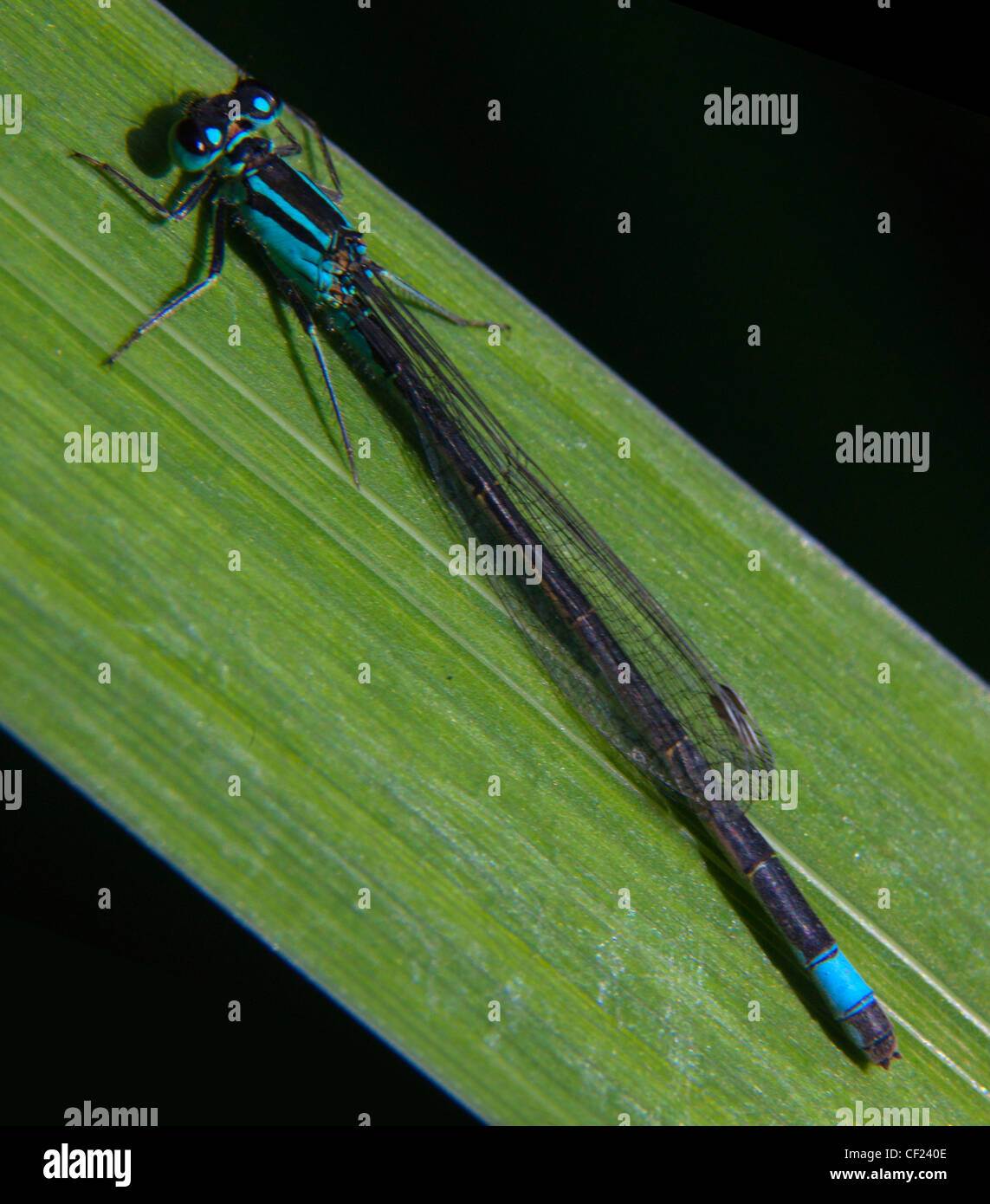
Image details
Contributor:
Tony SmithImage ID:
CF240EFile size:
37.9 MB (1.5 MB Compressed download)Releases:
Model - no | Property - noDo I need a release?Dimensions:
3414 x 3881 px | 28.9 x 32.9 cm | 11.4 x 12.9 inches | 300dpiDate taken:
23 July 2010Location:
Whatmore, Northwich, Cheshire, North west, England, CheshireMore information:
. Damsel Fly Damselflies (suborder Zygoptera) insects in the order Odonata. This is a Blue sample example sitting on a grass rush. Photographed on 23 July 2010. The recorded location is Whatmore, Northwich, Cheshire, North west, England, Cheshire. In a salt flash, Northwich, Cheshire England UK. Historically, odonata have a fossil history stretching back far beyond human civilisation, but modern populations depend on the quality of freshwater habitats; Photographs of adults on vegetation can therefore connect species identification with wider ecology. Historically, rural and botanical photographs document the seasonal cycles of the British landscape, from spring flowers and nesting wildlife to summer crops, autumn foliage and winter frost; They can also record changing land management, farming practice and the relationship between cultivated and wild species. In 2026, current biodiversity monitoring gives detailed insect photography added relevance, particularly for species linked to clean or well-vegetated freshwater habitats. In 2026, biodiversity recovery, climate resilience and land management remain major UK environmental themes; Photographs of crops, wildflowers, insects and seasonal vegetation can therefore support coverage of pollinators, farming, habitat restoration and the effects of increasingly variable weather. The historical context is that damselflies belong to the order Odonata and are closely associated with freshwater habitats, where their aquatic larvae develop before emerging as flying adults; Their presence can be an indicator of suitable ponds, streams, canals and wetland vegetation. In the longer view, close insect photographs support both natural-history identification and environmental documentation; Damselflies are distinguished from most dragonflies by their slimmer bodies and the way many species hold their wings together when resting. Useful subject and context terms include damselfly, dragonfly relative, and invertebrate.

