
Boarded-up empty residential home, United Kingdom, UK.
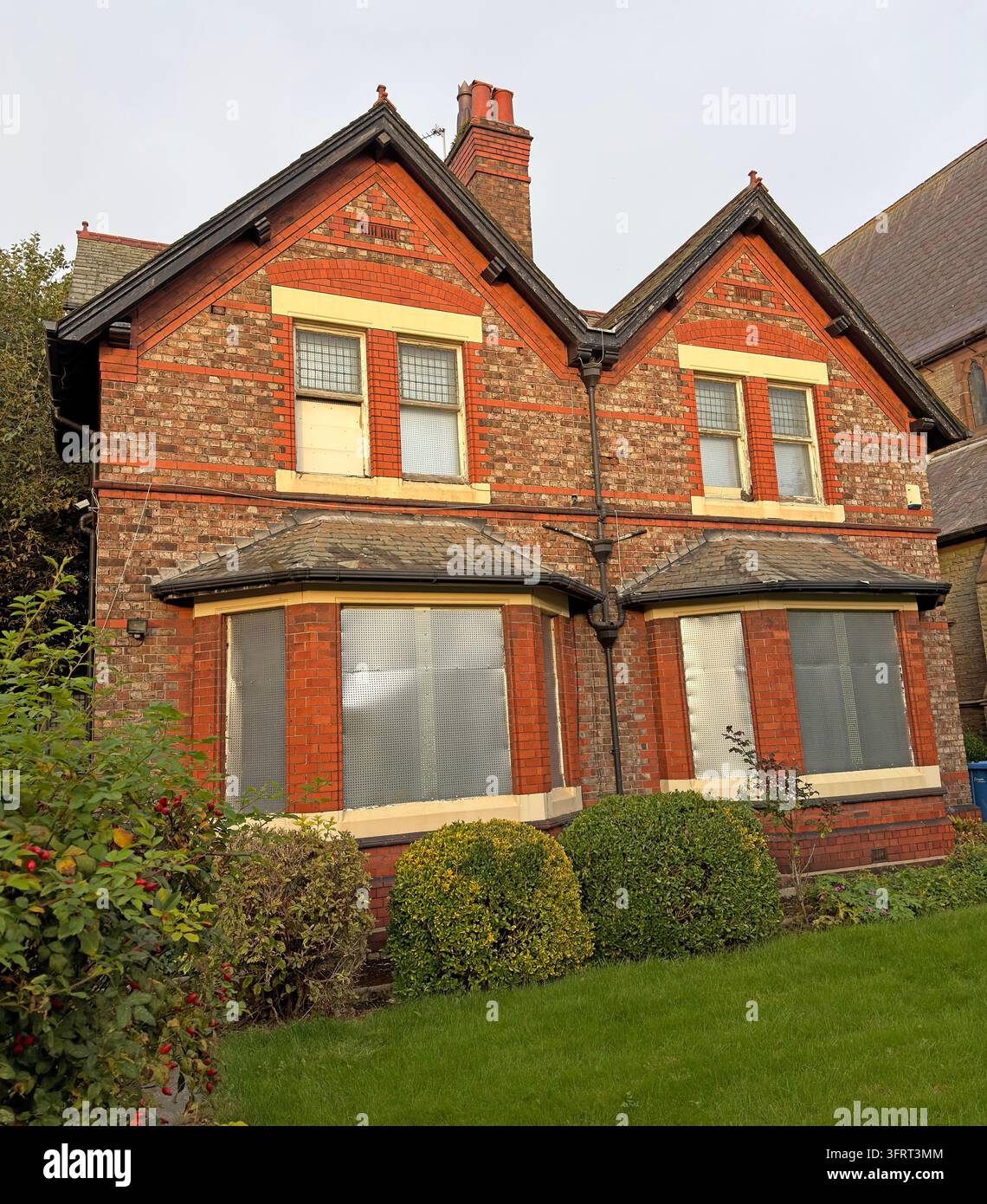
Image details
Contributor:
Tony SmithImage ID:
3FRT3MMFile size:
84.3 MB (4.6 MB Compressed download)Releases:
Model - no | Property - noDo I need a release?Dimensions:
5083 x 5796 px | 43 x 49.1 cm | 16.9 x 19.3 inches | 300dpiDate taken:
4 October 2026Location:
United KingdomMore information:
An apparently vacant red-brick house stands in a residential street, with boarded lower windows, a small front garden and neighbouring homes immediately alongside it. Wooden panels fitted across ground-floor openings are the clearest sign that the house has been secured and is not presenting the normal outward appearance of an occupied family home. Vegetation and the visible state of the frontage contribute to the impression of a property awaiting attention. Vacant housing is a recurring issue in debates about the shortage and availability of homes across the United Kingdom. Empty properties can arise for many reasons, including changes of ownership, refurbishment programmes, estate administration, the end of a tenancy or a prolonged period before sale or reoccupation. In social housing management, a home between tenancies is commonly recorded as a void. Landlords must manage the period between occupants, arrange necessary inspections and repairs, and bring properties back into use while meeting statutory safety responsibilities. The immediate streetscape matters: the house is an ordinary dwelling on a developed residential plot, not an isolated ruin. Security boarding provides a temporary physical barrier to entry, while the external garden and frontage may require maintenance during a period of non-occupation. Long-term empty homes have also been the subject of local-authority policy, council-tax measures and schemes intended to bring unused dwellings back into occupation. The visible details in this photograph, from the boards to the adjoining occupied-style houses and domestic garden boundary, place those housing-management questions in an everyday British street. A house of this scale might otherwise accommodate a family, so even one unused property can become a visible focus for questions about housing supply and the upkeep of the existing built environment. The juxtaposition with its neighbours gives the subject its everyday residential context.

