
Weinstube Hottum traditional wine bar sign in Mainz, Germany.
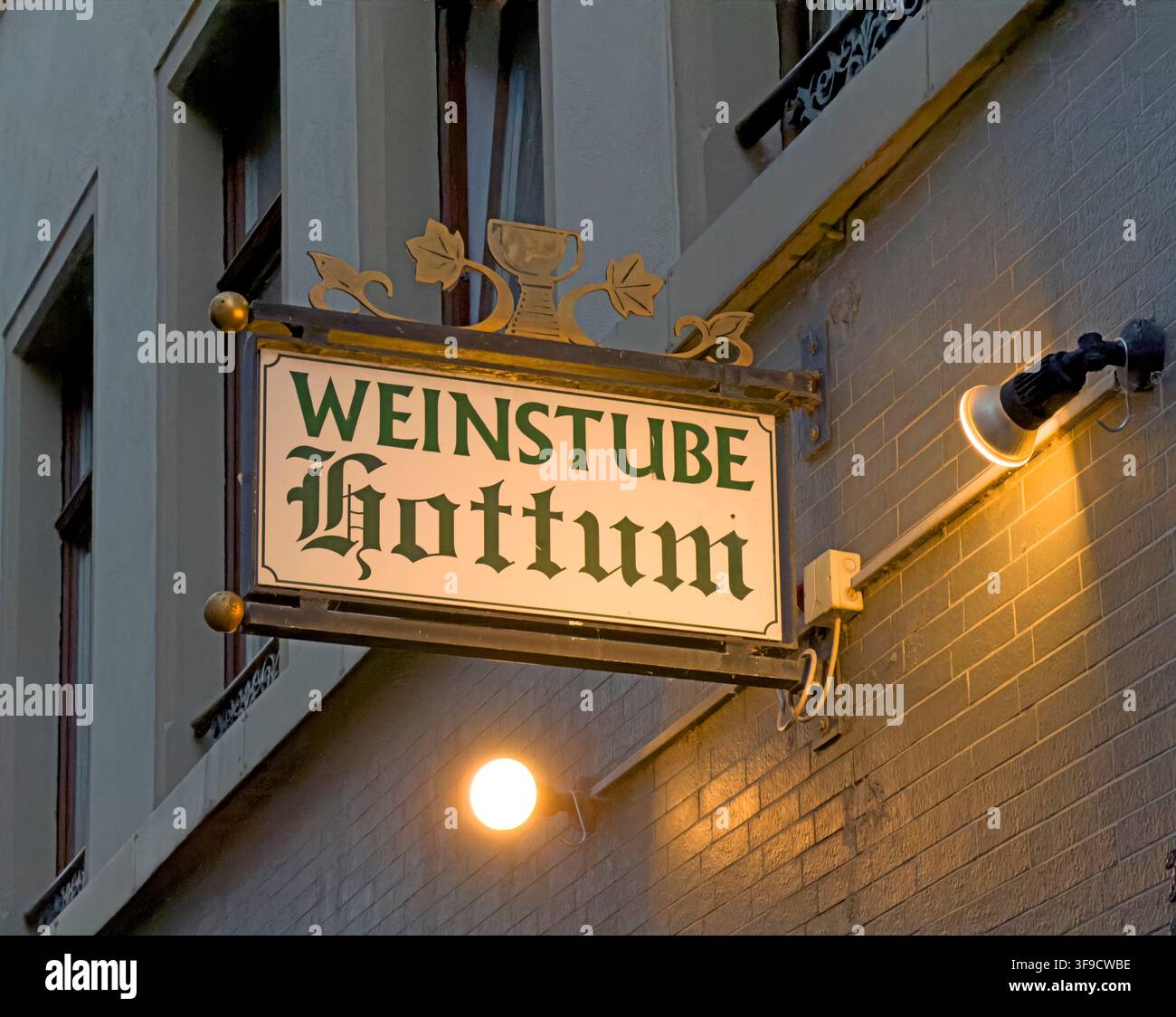
Image details
Contributor:
Tony SmithImage ID:
3F9CWBEFile size:
81.5 MB (2.7 MB Compressed download)Releases:
Model - no | Property - noDo I need a release?Dimensions:
5984 x 4760 px | 50.7 x 40.3 cm | 19.9 x 15.9 inches | 300dpiDate taken:
7 August 2026Location:
Mainz, Rhineland-Palatinate, GermanyMore information:
. Weinstube Hottum traditional wine bar sign in Mainz, Germany. Photographed on 7 August 2026. The recorded location is Mainz, Rhineland-Palatinate, Germany. Mainz stands on the Rhine and has more than two millennia of history, from Roman Mogontiacum through its role as an archiepiscopal city to the birthplace of Johannes Gutenberg. The old town combines reconstructed historic streets, churches, wine culture and post-war urban development, giving street signs and façades strong local-history context. Within the history of eating out, packaging and utensils also matter: corks, bottles and branded labels preserve evidence of production and trade alongside the food or drink itself. In relation to alehouse, historical context shows that british pubs developed from inns, taverns and alehouses into licensed social institutions that have long served as meeting places, music venues and landmarks; Names, brewery signs, etched glass, tiled interiors and evolving fascias can preserve local history even when ownership or use changes. For the story of notice, it is useful to note that wayfinding developed from painted names and fingerposts into standardised road, rail and public-information systems; Local signs still retain distinctive typography or bilingual wording even within increasingly consistent national standards. Against the 2026 backdrop for eating out, hospitality and food retail continue to adapt to higher costs, delivery platforms and changing diets, making older restaurant and product images useful evidence of consumer trends. As of 2026, the position for alehouse is that in England eligible pubs and live-music venues receive a 15% business-rates relief for the 2026/27 billing year, reflecting continuing concern about operating costs, closures and the role of hospitality in town-centre vitality. Associated subject terminology includes food culture, cuisine, street food, home cooking, food photography, regional food, consumer culture, and ingredients.

