
Panoramic view of McCaig’s Tower, also known as McCaig’s Folly, the distinctive stone landmark overlooking Oban,Argyll and Bute,Scotland, on sunny day
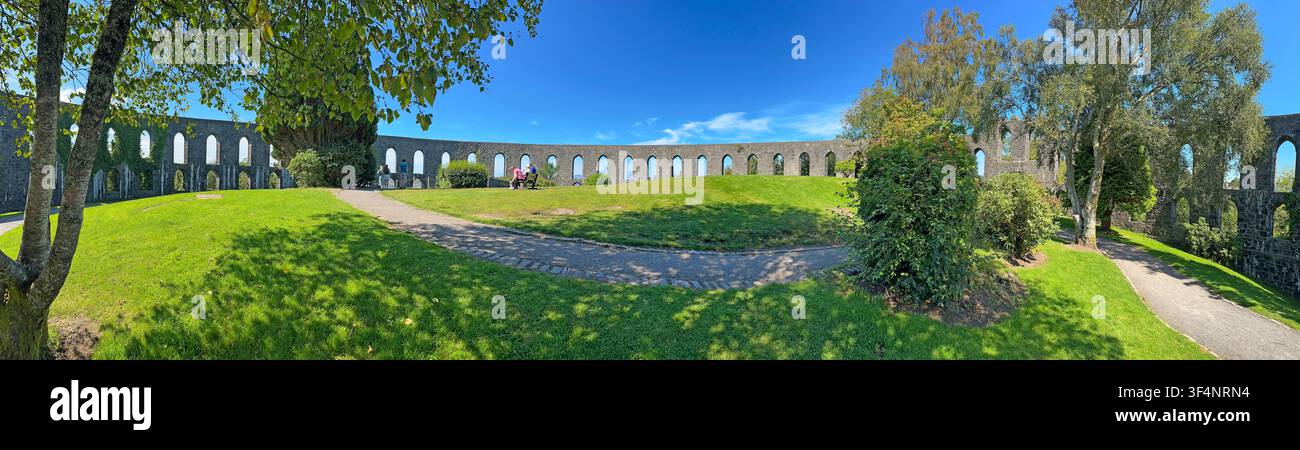
Image details
Contributor:
Tony SmithImage ID:
3F4NRN4File size:
107.6 MB (10.2 MB Compressed download)Releases:
Model - no | Property - noDo I need a release?Dimensions:
11648 x 3228 px | 98.6 x 27.3 cm | 38.8 x 10.8 inches | 300dpiDate taken:
18 August 2025More information:
. Panoramic view of McCaig's Tower, also known as McCaig's Folly, the distinctive stone landmark overlooking Oban, Argyll and Bute, Scotland, on sunny day. Photographed on 18 August 2025, this summer image records the subject in its real-world setting and provides a contemporary visual reference for the place, activity, object or organisation shown. Key searchable subjects associated with the scene include pano, panoramic, view, McCaigs Tower, also, known, McCaigs Folly, the distinctive stone landmark, park, history, historic, overlooking, providing natural SEO coverage without losing the specific documentary identity of the photograph. Weather and natural light are part of the visual character of the frame, helping define the season, atmosphere, colour and visibility of architectural or landscape detail. The broad field of view gives useful spatial context, showing how the main subject sits within the wider urban or landscape setting. Architecturally, the scene records the form, materials, scale and public-facing character of the built environment, making it useful for coverage of design, planning, conservation, development and urban identity. The image has value for architectural and place-based research because buildings and interiors can be refurbished, repurposed, demolished or substantially altered, while streets and public spaces also evolve. The wider panoramic composition places the principal subject within its surrounding streetscape or landscape, giving additional context about scale, neighbouring buildings, public space and the relationship between different landmarks. This broad view is particularly useful for cityscape, regeneration, tourism and planning stories because it records several elements of the location together rather than isolating a single detail. Its value is both descriptive and editorial, allowing the scene to illustrate news, features, local history, travel, social change and retrospective comparison.

